When the field needs a screen everyone can read
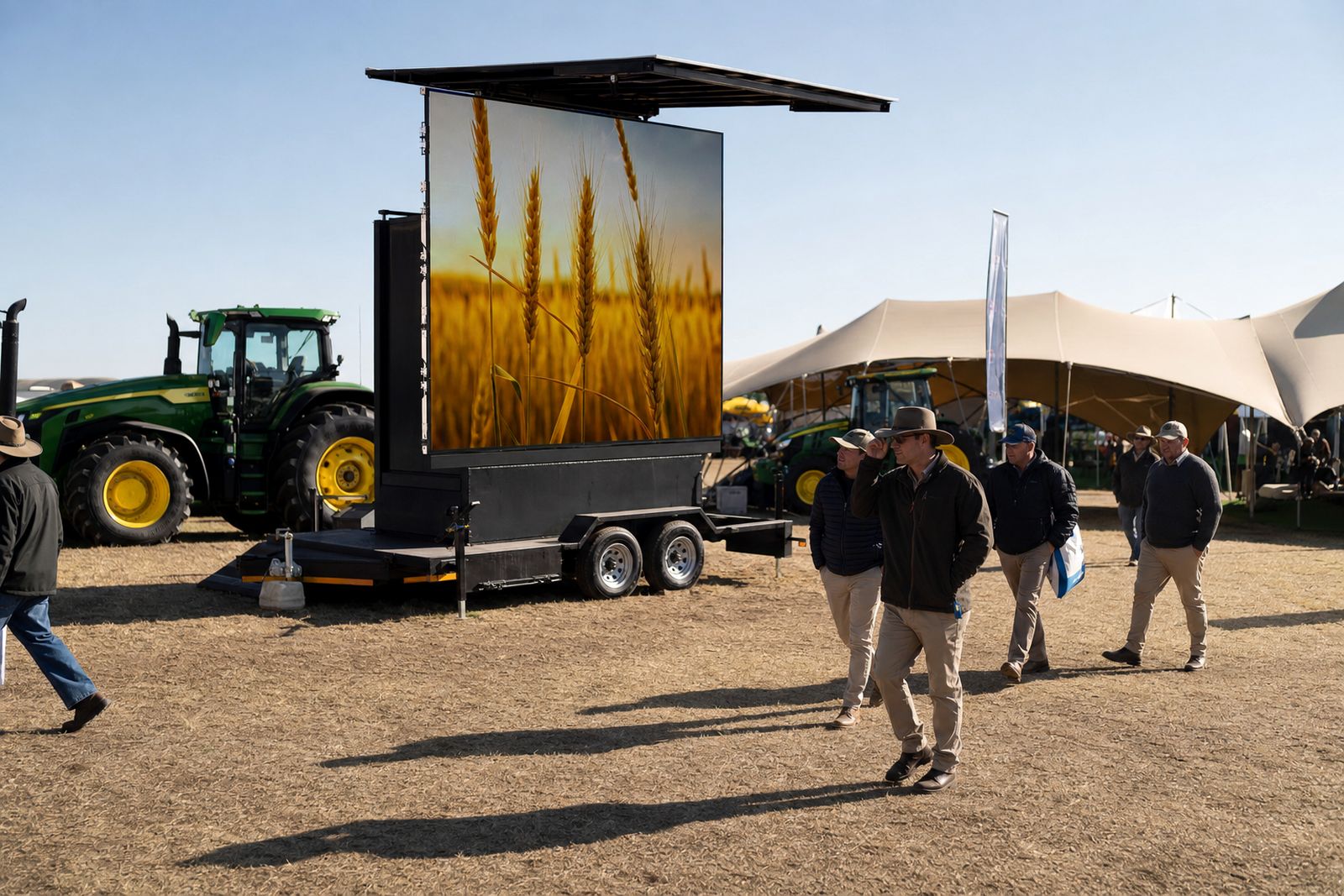
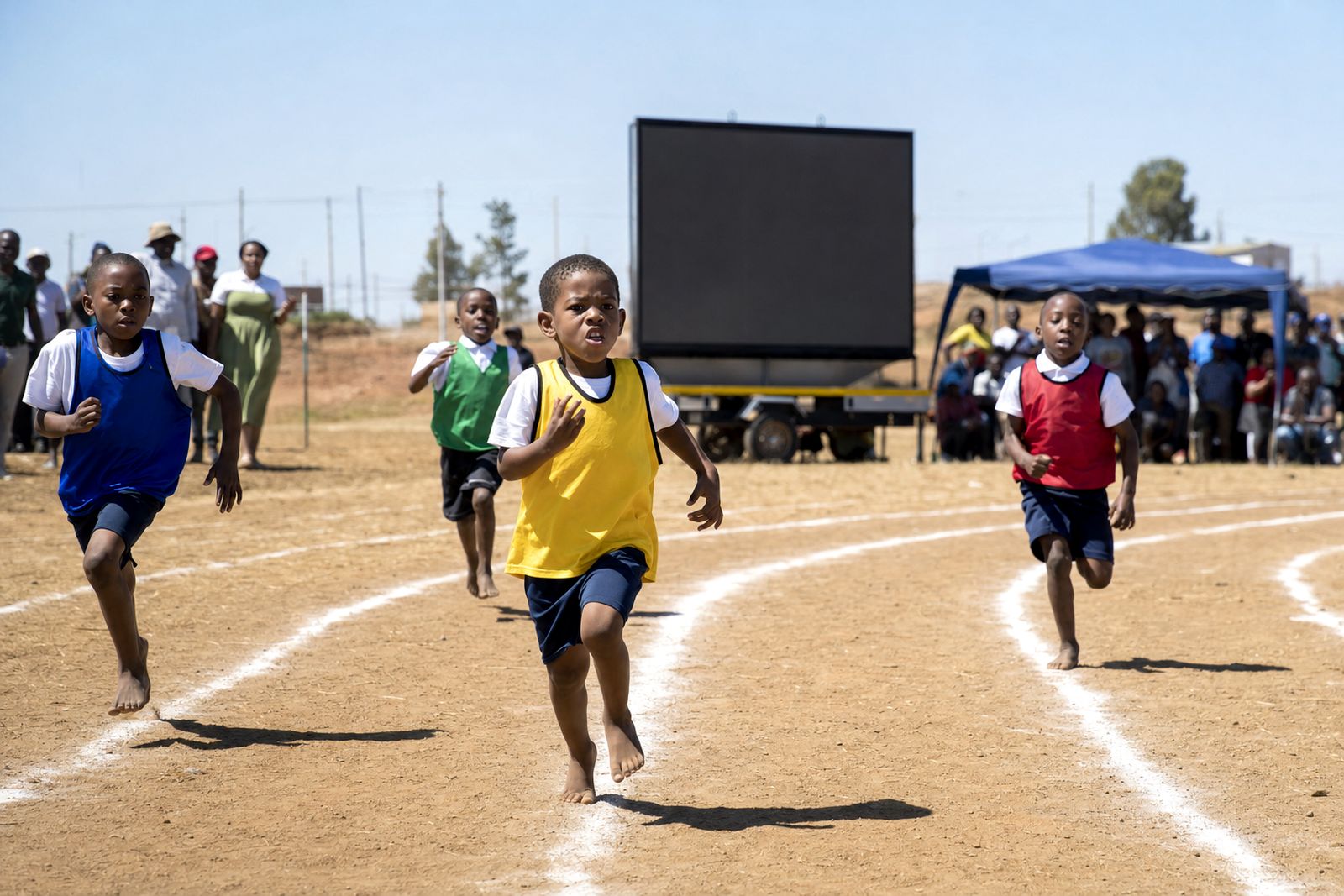
On a sports day, the screen has to do more than look bright. Parents may be seated under shade, learners are moving between fields, and announcers need a clean way to show fixtures, team names, race results and sponsor messages without crowding the entrance area. A mobile outdoor LED screen trailer works well because it can be positioned where the viewing angle is strongest, then lifted above heads and parked clear of the action.
For daylight use, outdoor panels are usually specified with a pixel pitch suited to the viewing distance, and with brightness high enough to hold detail in strong sun. The right choice depends on whether the crowd is close to the screen or spread across a larger field. Smaller pitches give sharper text and scoreboards from closer ranges, while larger pitches suit wider viewing distances and bigger images.
- School athletics meetings
- Club cricket and rugby days
- League fixtures with sponsor reels
- Prize-giving and announcements between events
Typical trailer and screen set for a sports day
A standard hire set can include a trailer-mounted LED screen, hydraulic lifting and rotation for positioning, playback equipment, cabling, and an on-site technician to manage content through the day. If the venue has suitable mains supply, the screen can run from that. If not, a generator can be used, with fuel planning and cable routing kept tidy and safe around pedestrian traffic.
Bright outdoor screens are built to cope with changing light, but they still need sensible placement. Trees, goalposts, tents and grandstands can affect sight lines, so the screen should be tested from the furthest viewing point before the crowd arrives. For large open grounds, a second smaller LED box can support a separate field or another waiting area.
- Trailer mount for quick positioning
- Hydraulic lift for height adjustment
- Rotation for angle correction
- Content playback for video, graphics and score loops
- Live feed support where the venue has the feed source available
Layout choices that save the day on the field
The right layout follows the flow of the event. If athletes pass one central point, the screen should face that route without blocking marshals or emergency access. If there are several fields, a multi-stop plan can place different screens or reuse one unit across time slots, which helps when the day includes finals, breaks and presentation moments.
We also look at wind exposure, surface condition and where vehicles can enter without crossing the main spectator route. Outdoor LED screen trailers are generally set with wind limits in mind, and the installation should leave room for safe operation if conditions change. Where municipal permission is needed, guidance usually covers the placement footprint, parking, public access, noise from a generator and any local rules for temporary outdoor equipment.
- Angle the panel away from the afternoon sun
- Leave clear access for marshals and emergency vehicles
- Plan cable runs away from foot traffic
- Allow a sheltered point for the technician and controls
Mistakes that cause trouble once the whistle goes
Sports days can fall apart on small oversights. A screen that is too low gets blocked by parents standing along the boundary. Content that is prepared in the wrong aspect ratio leaves text stretched or cut off. A playlist with no order can make sponsor reels and fixture updates feel rushed. It is also common to place the trailer where the sun hits the display head-on during peak hours, which makes the picture harder to read.
Another mistake is leaving the venue team to swap files on the day without a playback plan. An on-site technician helps keep the schedule steady, manage live updates and handle file checks before the crowd gathers. If weather shifts during the day, the screen position and operating plan can be adjusted with less disruption.
- Wrong file size or aspect ratio
- Screen too low for the back rows
- No plan for sponsor rotation
- Ignoring access for setup and pack down
- Placing the trailer where wind loads are awkward
Budget ranges for sports day screen hire
Budget depends on screen size, venue access, power source, content handling and whether the booking is for one field or several stops. A smaller outdoor LED screen trailer for a local school event can start around R18 000 to R35 000, depending on duration and support. Larger screens, more complex layouts, longer hires and generator use can push the total into the R40 000 to R90 000 range or more.
For multi-field sports days, the work can also include delivery, setup, live feed support, content loading, pack down and permit guidance. When the screen must carry scoreboards, sponsor reels and live announcements throughout the day, the extra preparation is worth planning into the budget early. The final figure usually reflects distance, timing and the amount of technician time needed on site.
Schools and clubs in Germiston, Ekurhuleni, Kempton Park, Johannesburg, Pretoria, Durban, Bloemfontein and Polokwane often need a mix of display clarity and practical site handling. The more open the field, the more important screen height, brightness and placement become.