


Skip to content
Home / Notes

Screen Crew Notes

Our crew picks up the same questions from organisers, promoters and venue managers week after week. The answers come from towing, lifting and running screens outdoors, with planning, operation and safe use first.

Screen Crew Notes
Pixel Pitch Basics

Pixel Pitch Basics

A simple explanation of pixel pitch and how viewing distance affects screen selection outdoors.

Daylight Brightness

Daylight Brightness

Why high brightness matters for outdoor visibility during clear daytime conditions.

Night Screen Settings

Night Screen Settings

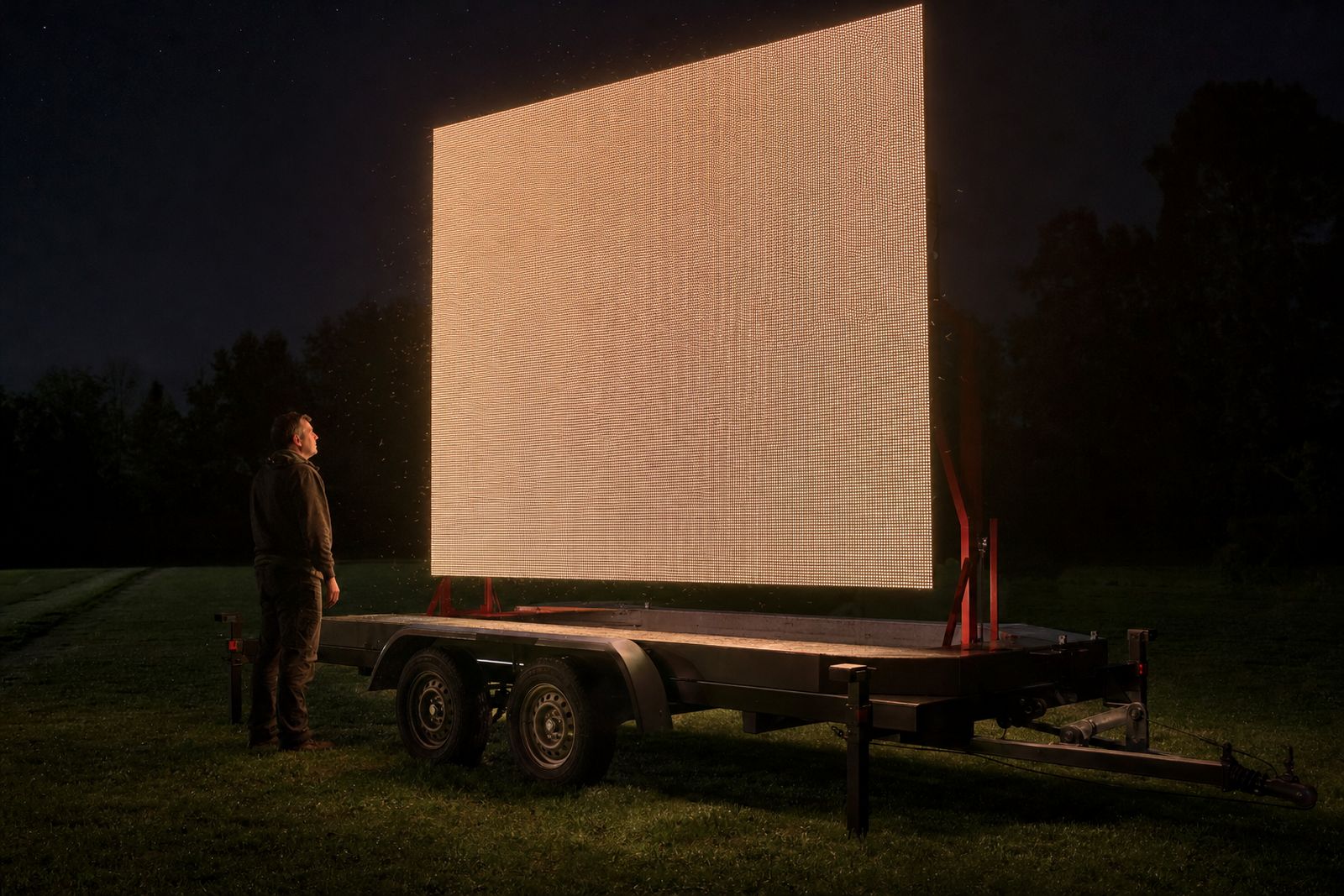
Evening events need brightness and colour adjusted for comfortable after-dark viewing.

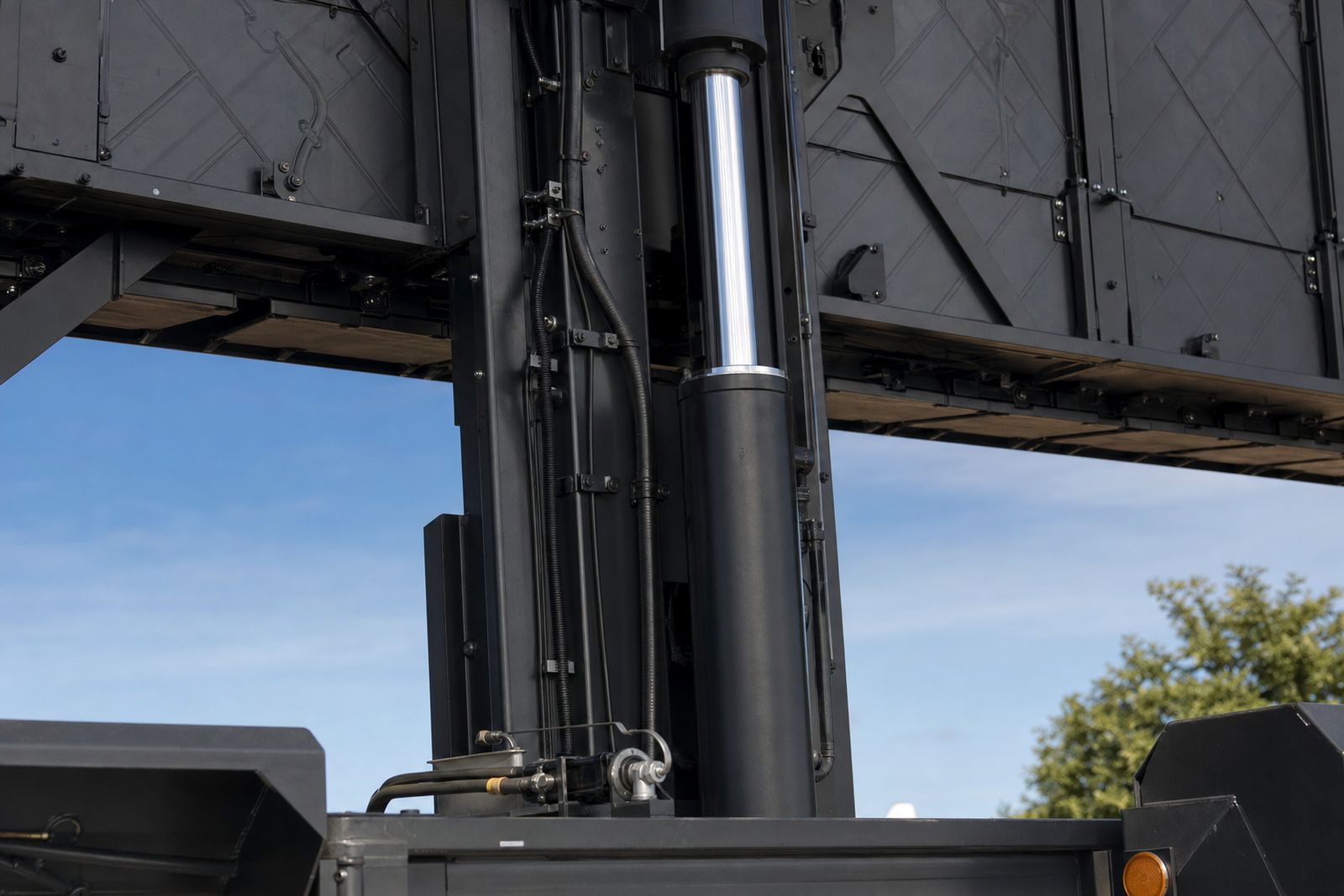
Hydraulic Lift Explained

Hydraulic Lift Explained

How hydraulic lifting helps mobile screens deploy efficiently on suitable level ground.

Screen Rotation Use

Screen Rotation Use

When rotating a screen helps align the display with the audience and venue layout.

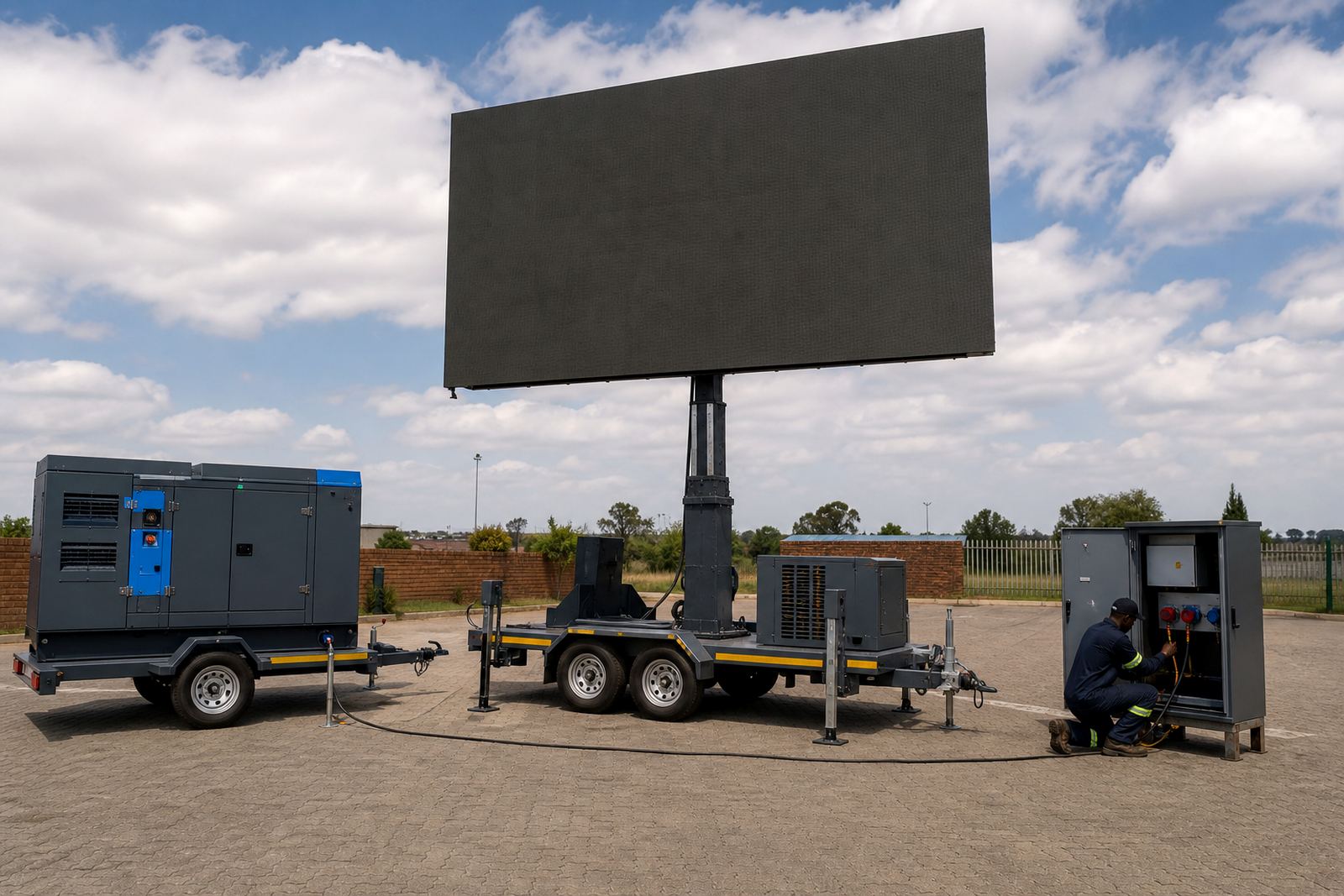
Generator or Mains

Generator or Mains

A practical comparison between generator supply and venue mains for mobile LED screens.

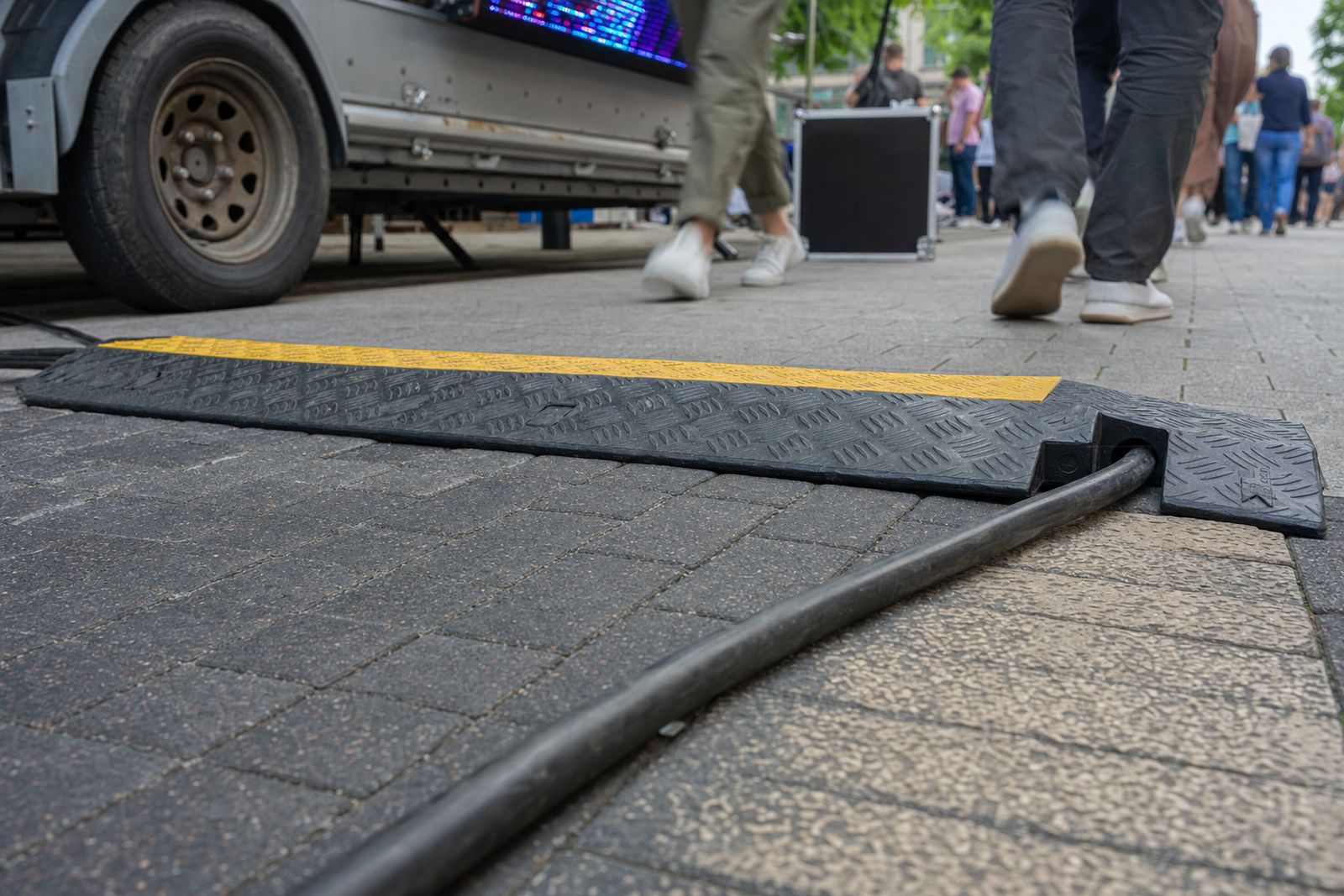
Power Cable Routes

Power Cable Routes

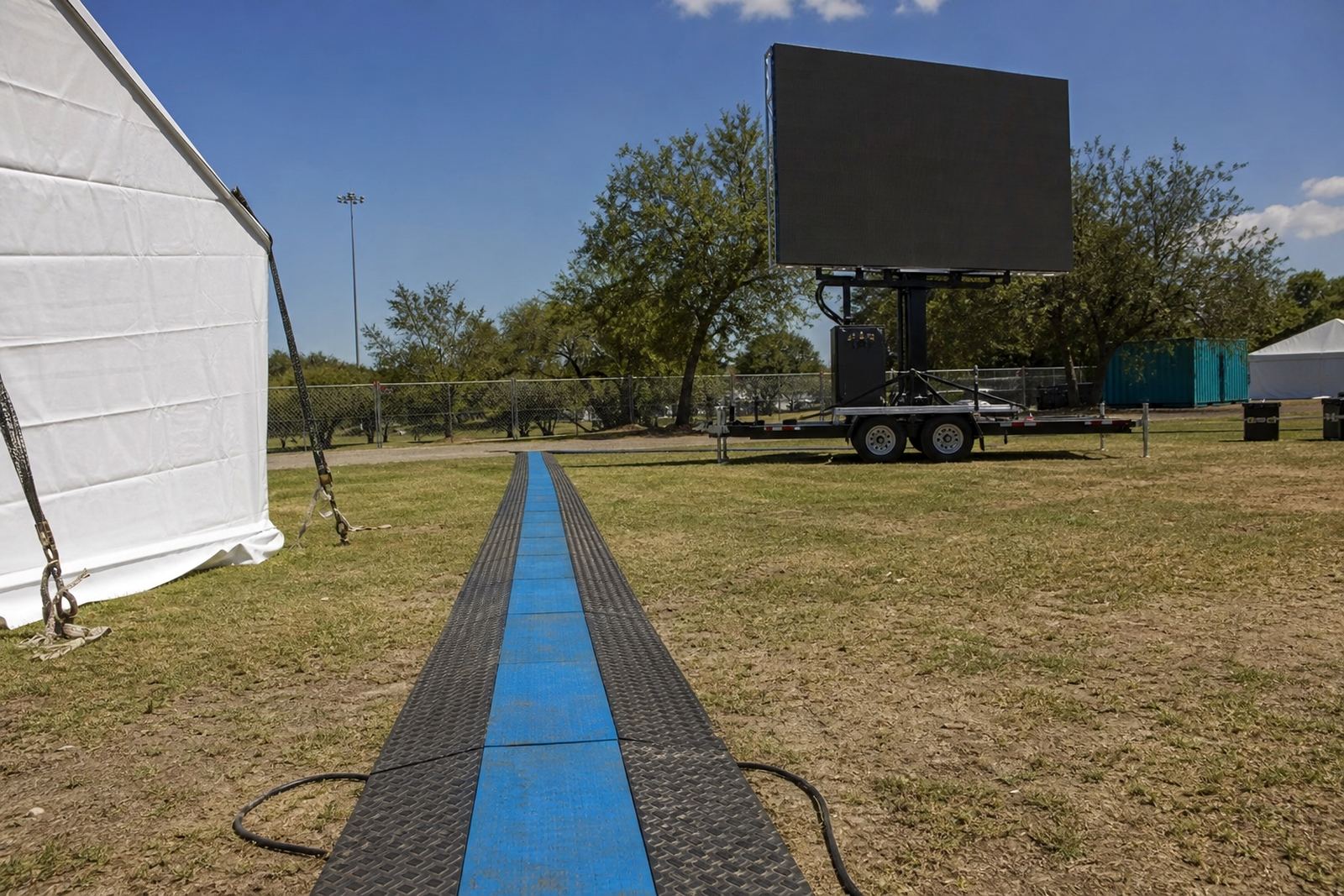
Good cable routing reduces trip risk and keeps service areas organised outdoors.

Wind Limit Planning

Wind Limit Planning

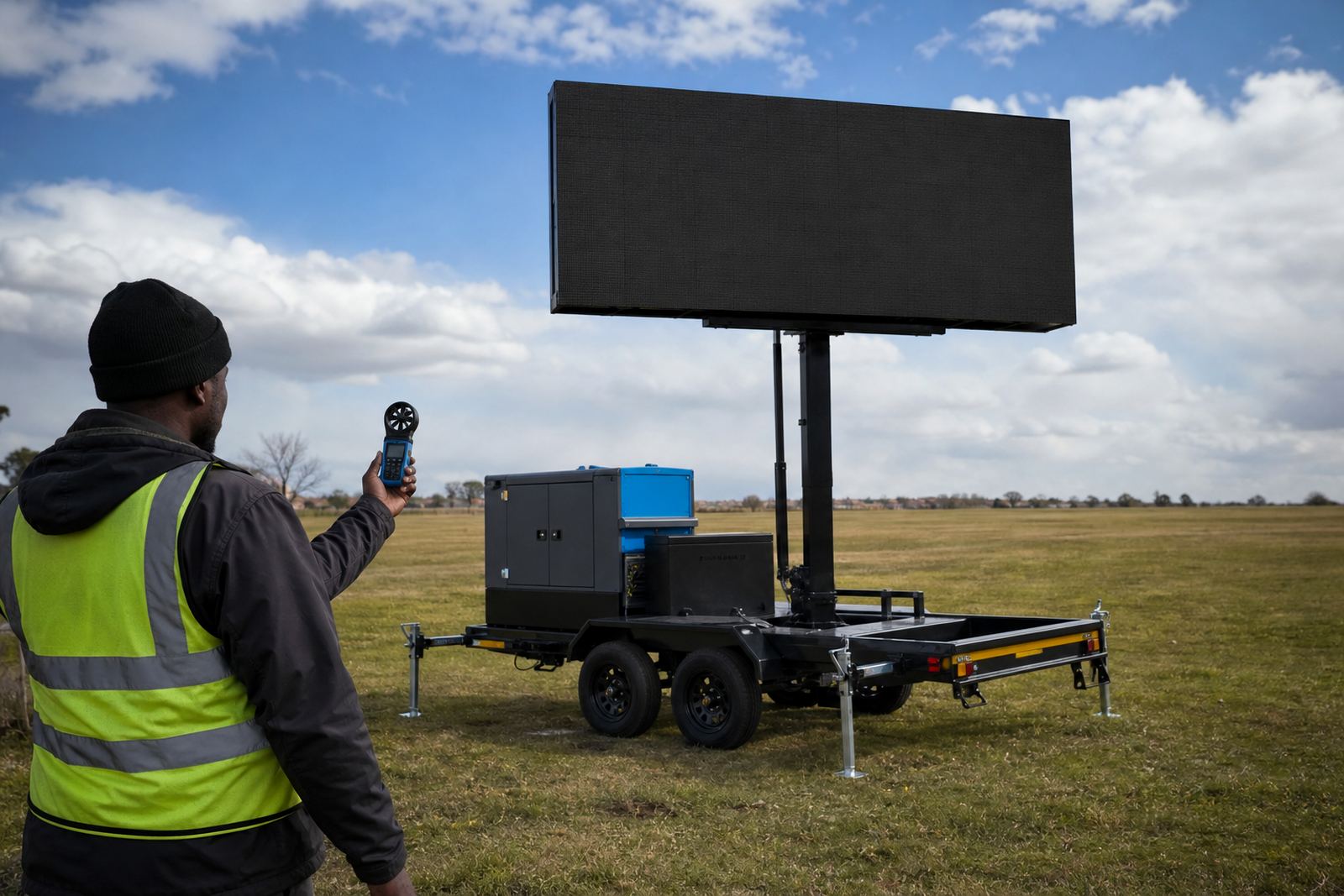
Outdoor screen operation should always follow defined wind limits and site exposure checks.

Stabiliser Ground Checks

Stabiliser Ground Checks

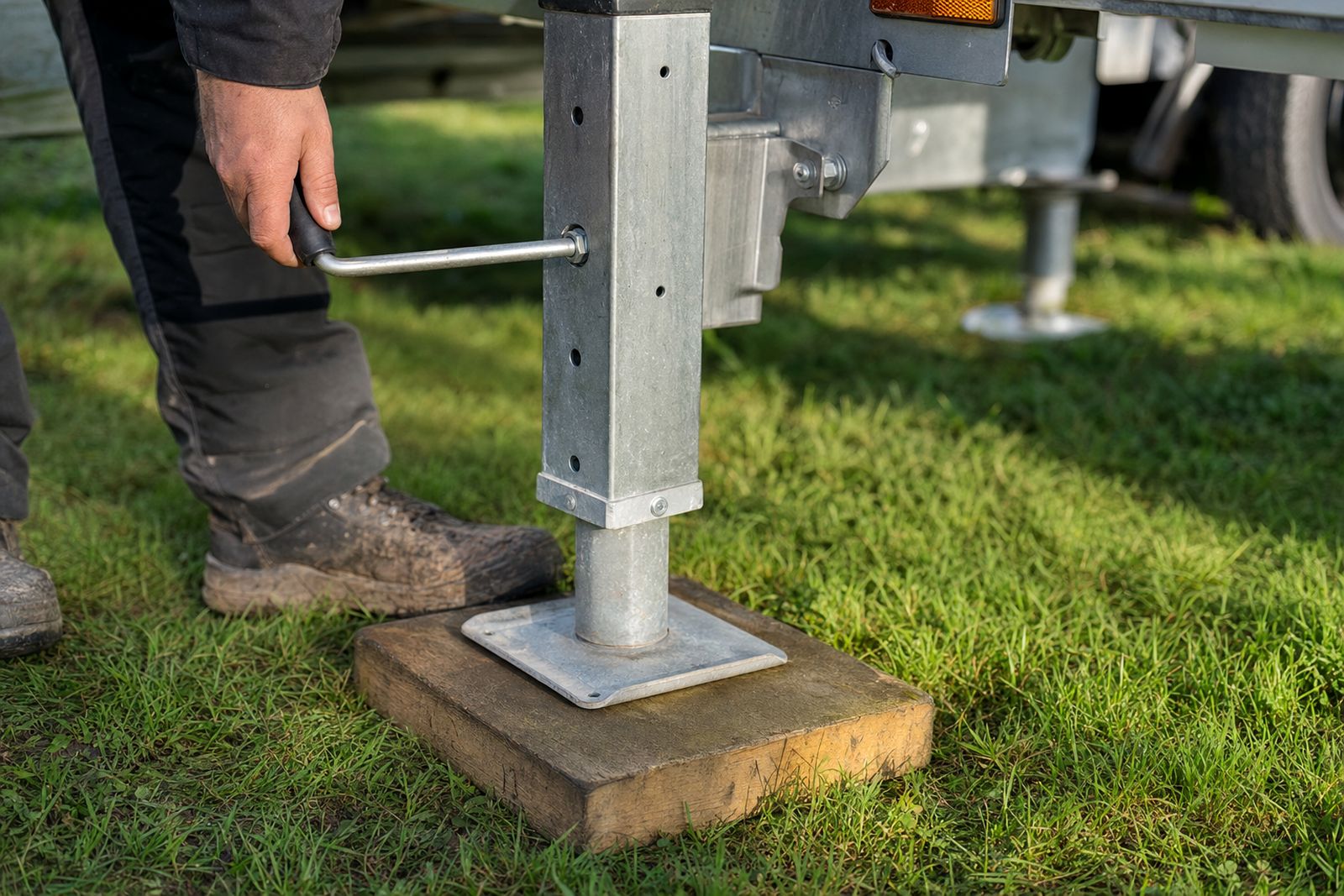
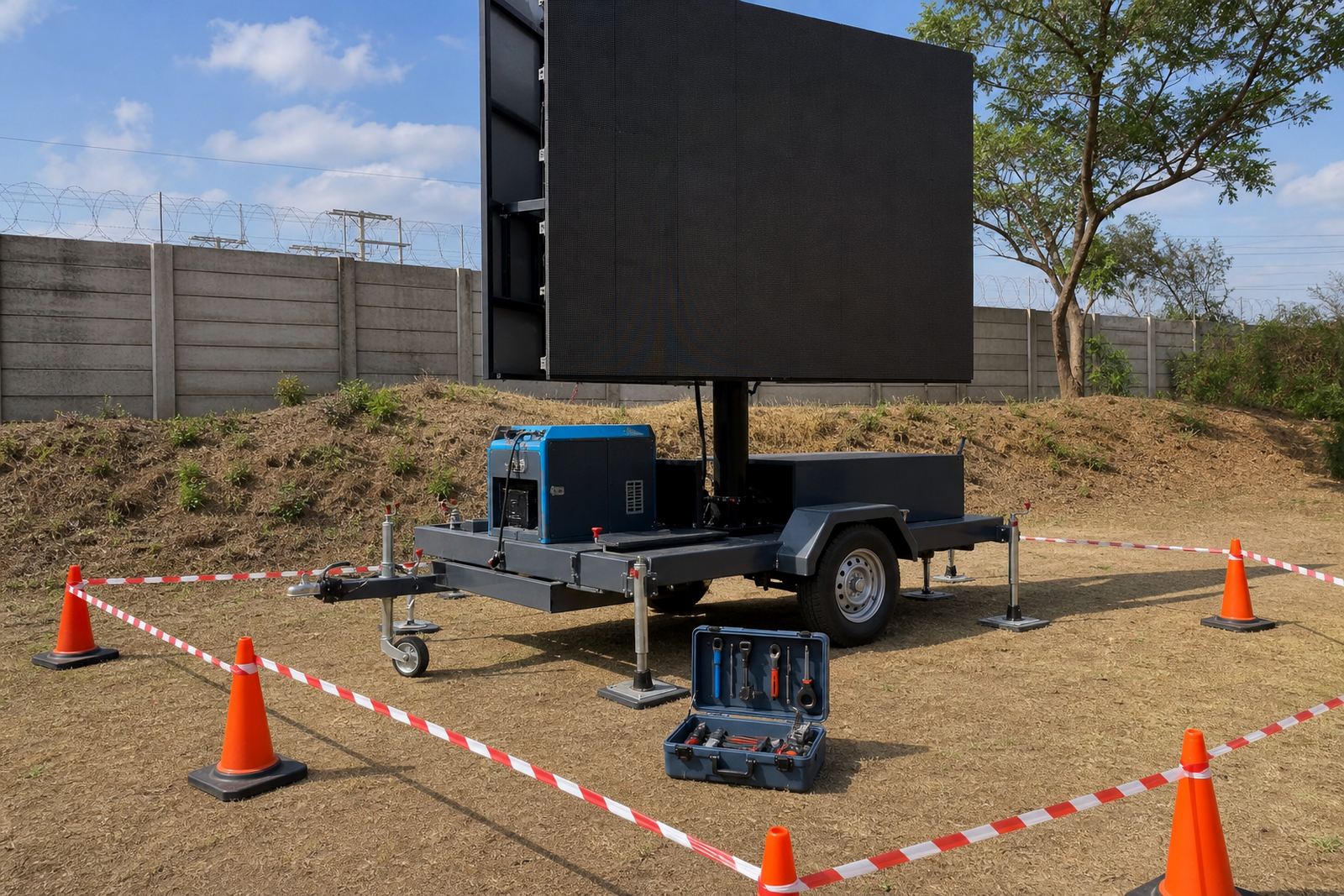
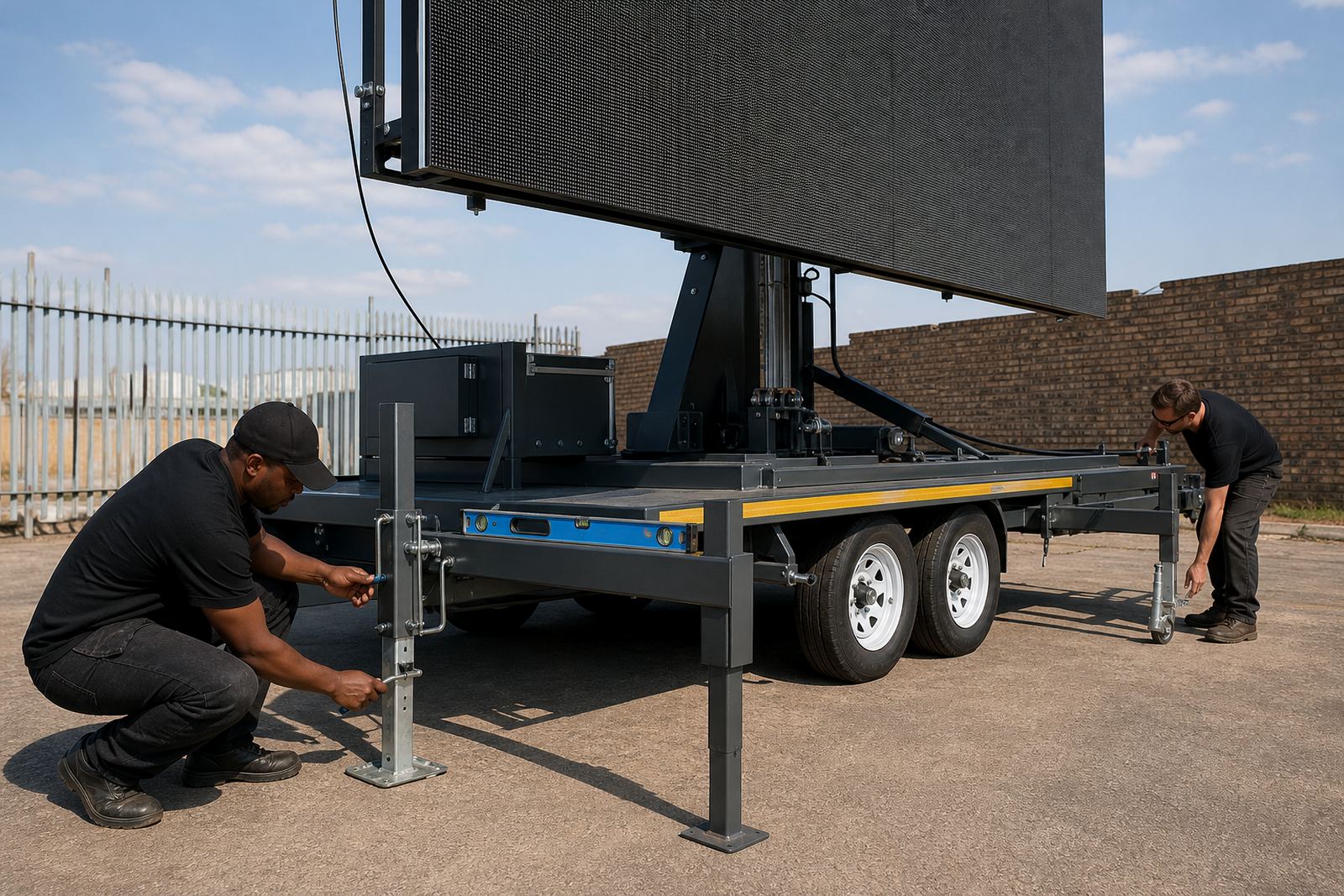
Why trailer stabilisers need firm, level support before the screen is raised.

Viewing Distance Guide

Viewing Distance Guide

Audience distance influences the right balance between pitch, size and budget.

Screen Size Site Fit

Screen Size Site Fit

The site footprint often matters as much as display size when choosing a unit.

Content Format Tips

Content Format Tips

Preparing media in suitable aspect ratio and resolution helps avoid playback issues.

Loop Length Planning

Loop Length Planning

Content loop length should match dwell time, message priority and audience turnover.

Live Feed Basics

Live Feed Basics

Live feed use needs signal planning, test time and coordination between operators.

Permit Basics

Permit Basics

Public-site deployments may require municipal permission depending on placement and use.

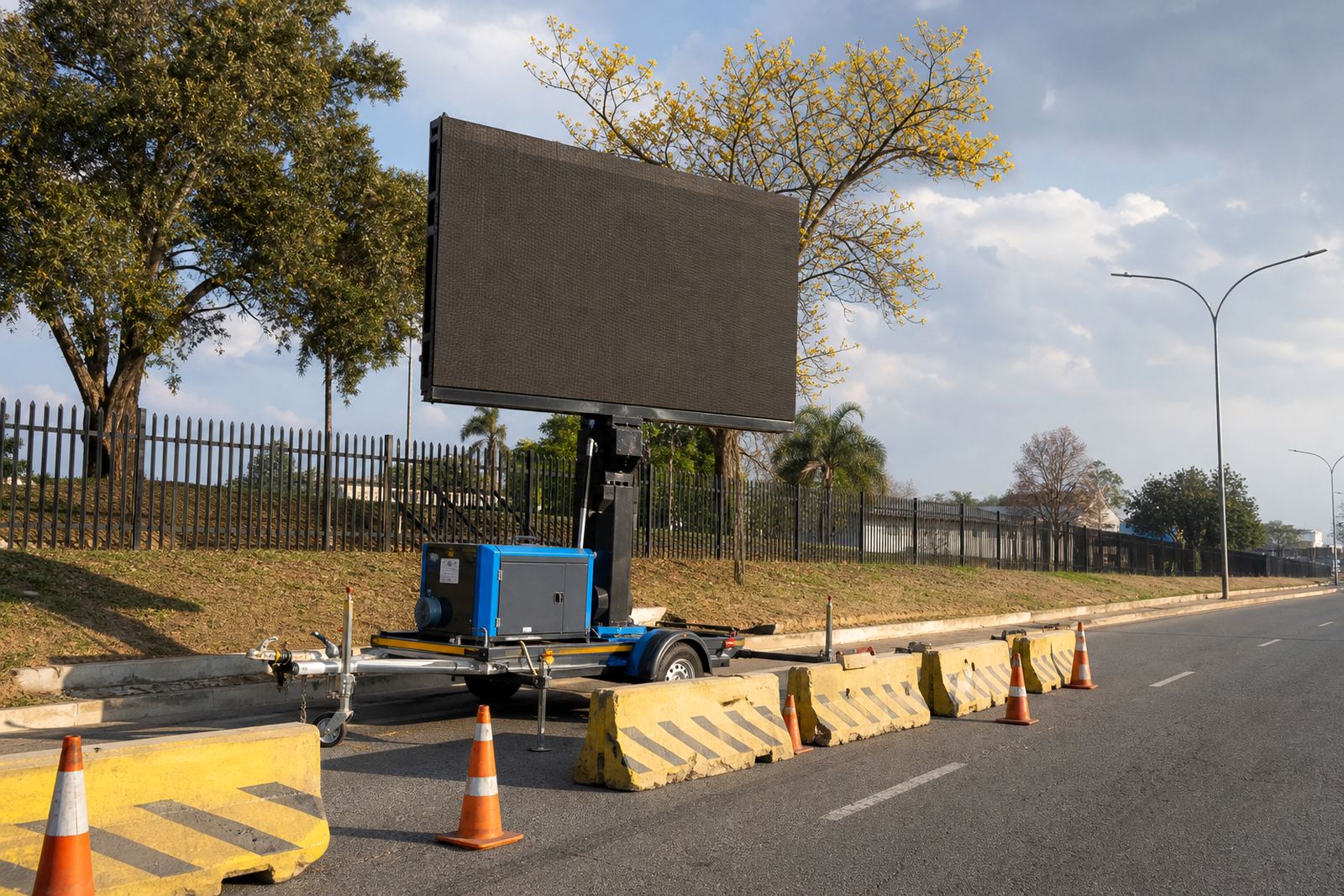
Public Road Siting

Public Road Siting

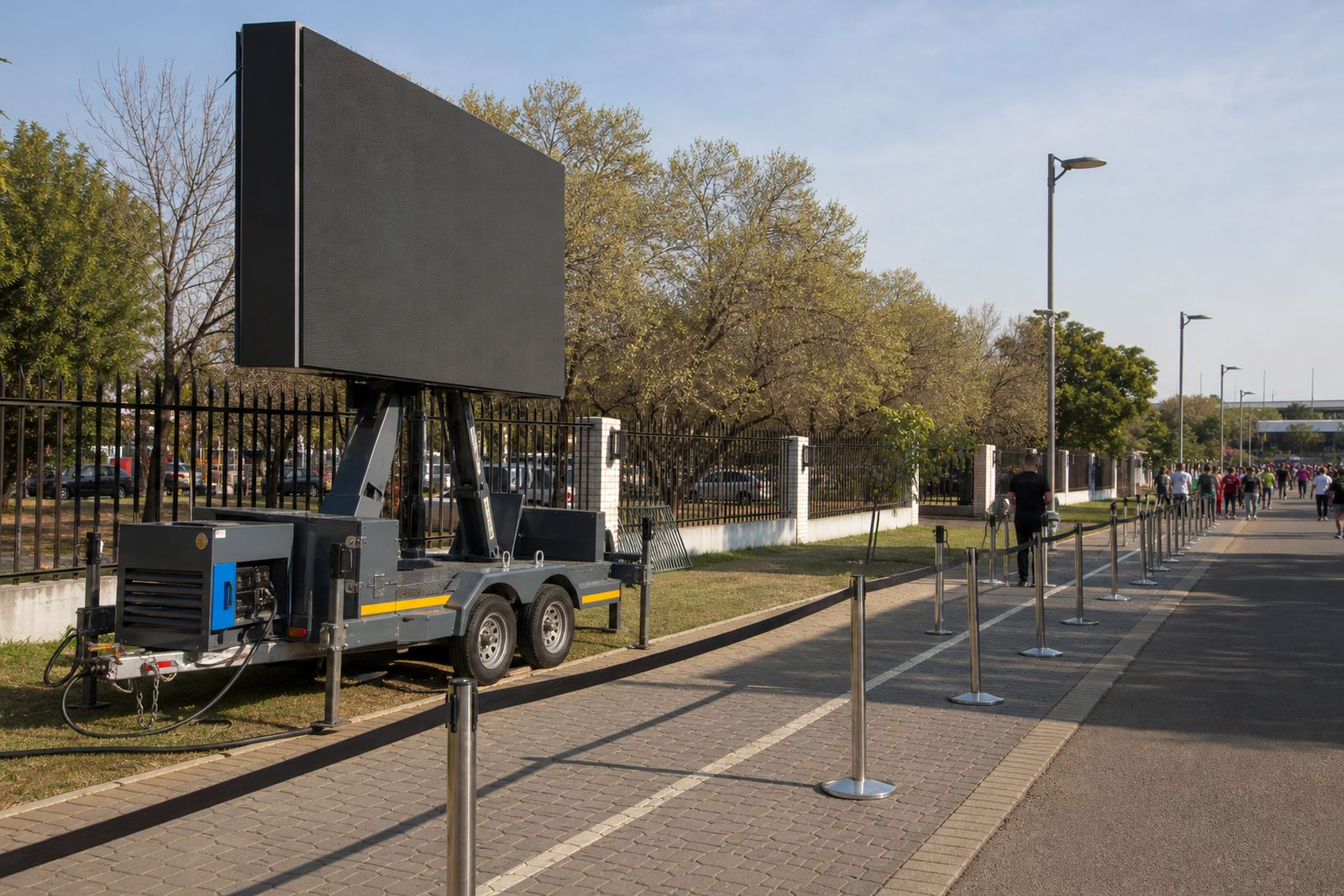
Roadside screens need careful siting with attention to access, safety and local rules.

Forecourt Access Needs

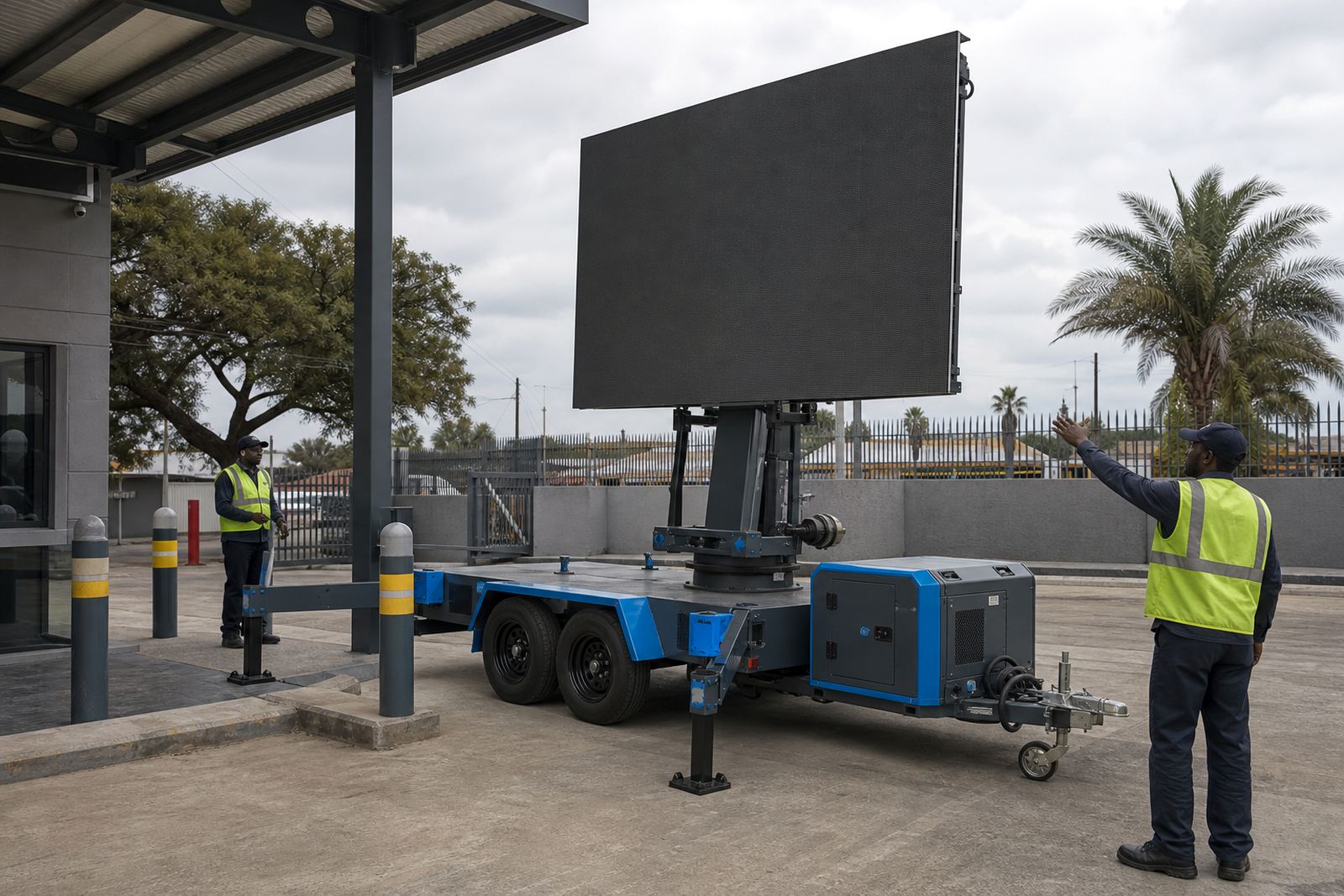
Forecourt Access Needs

Forecourt jobs depend on turning room, overhead clearance and audience separation.

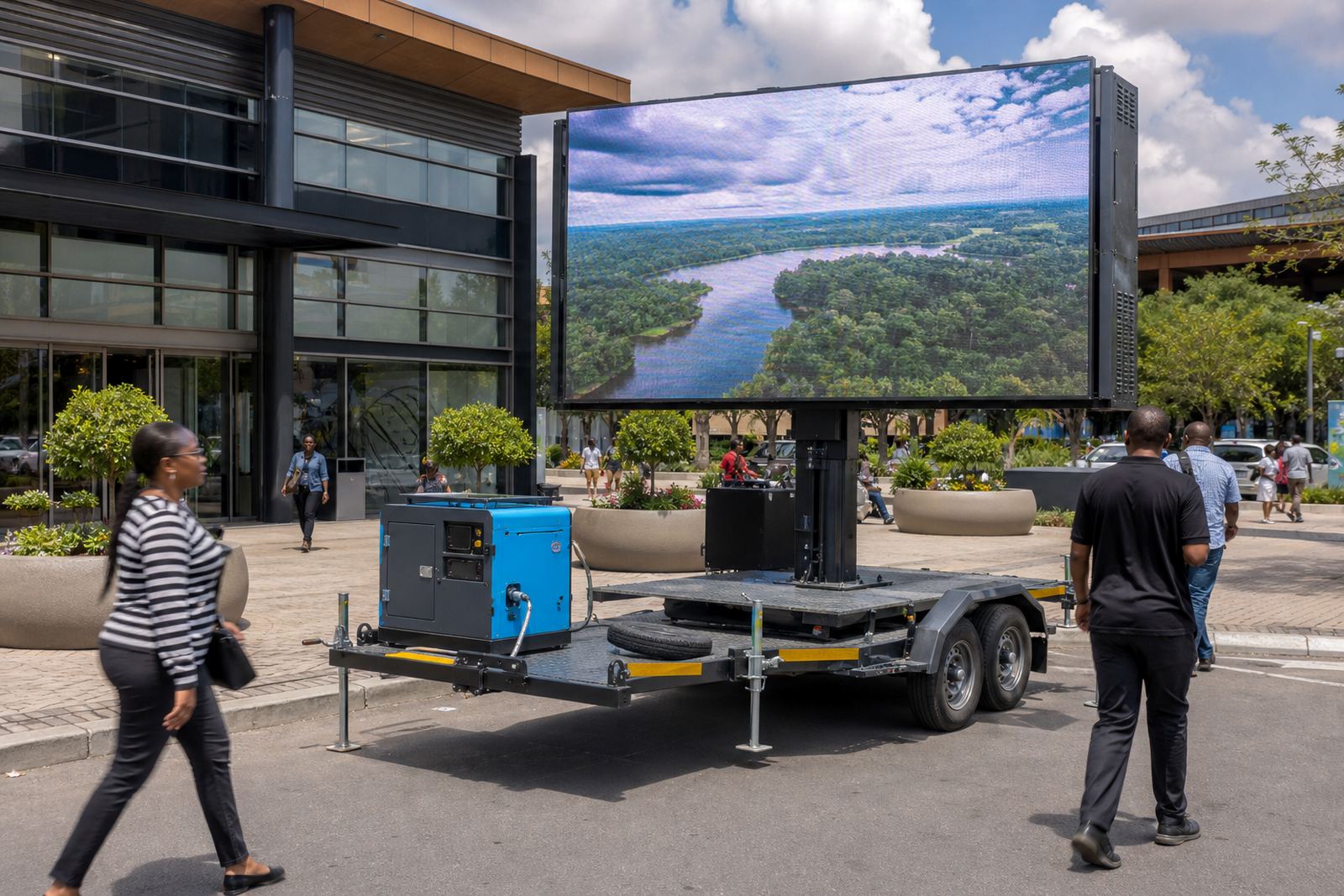
Mall Exterior Planning

Mall Exterior Planning

Shopping-centre exterior deployments work best with early site coordination and clear pedestrian flow.

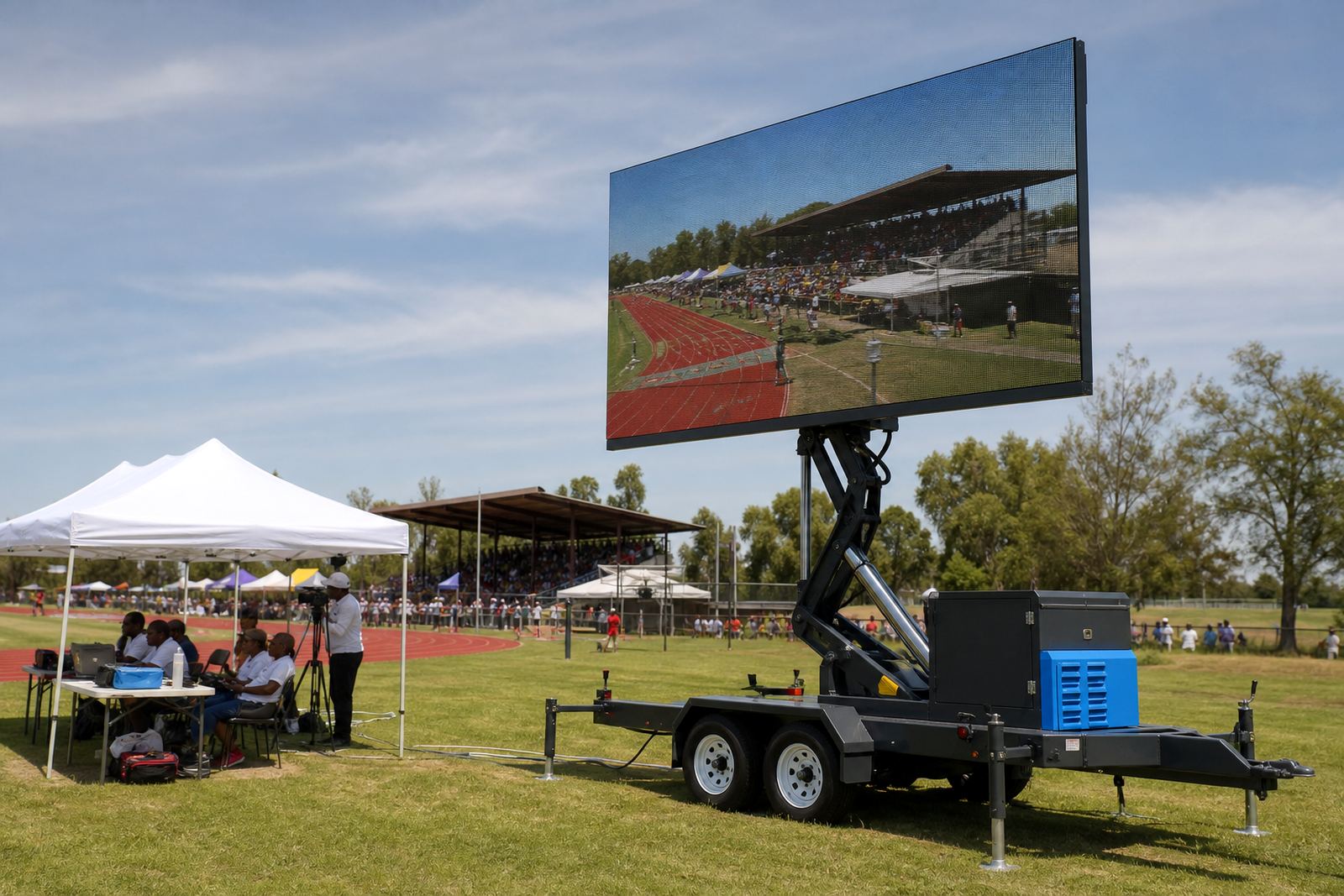
Sports Day Layout

Sports Day Layout

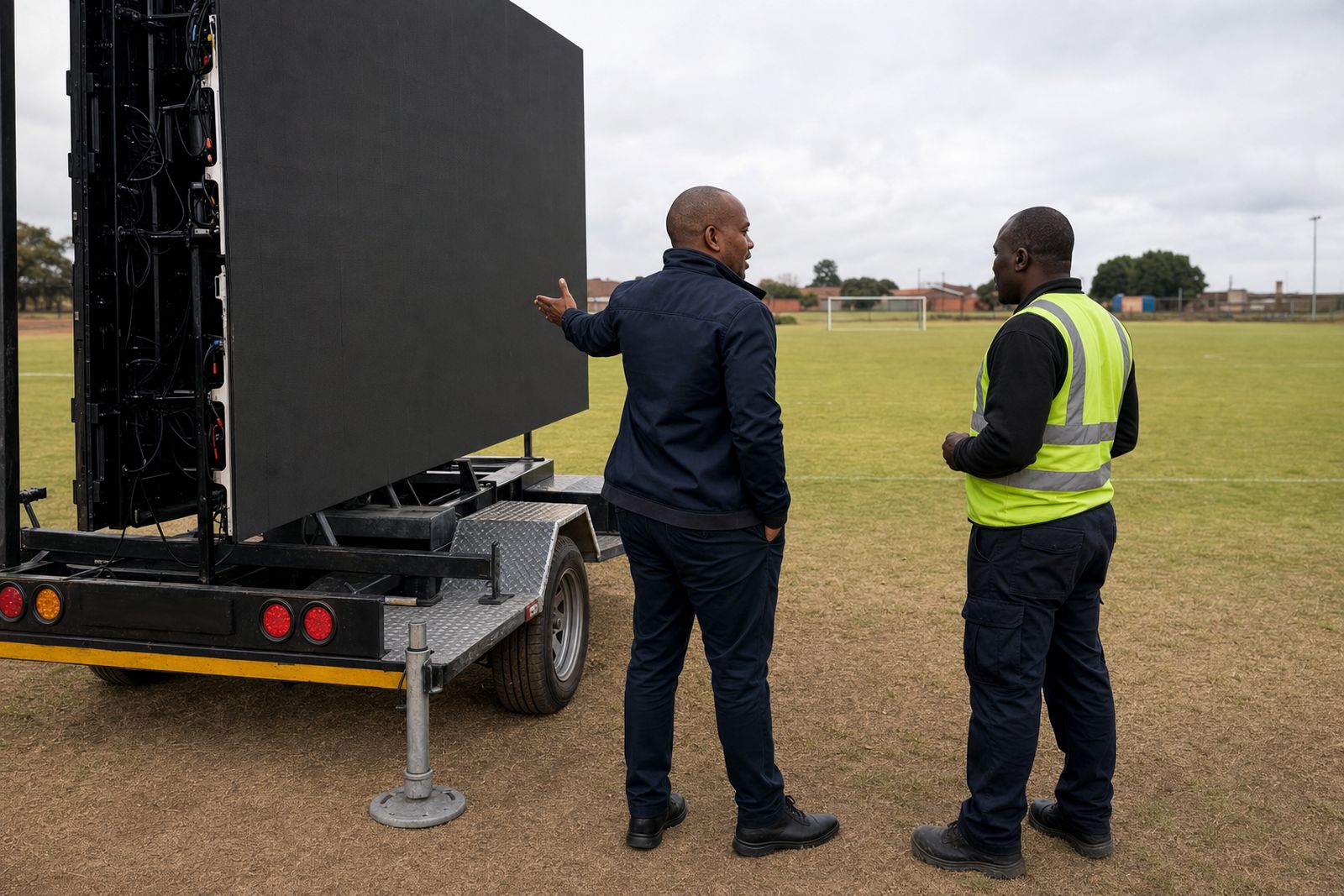
Field-side layout should consider officials, spectators, athletes and the sun angle.

Concert Screen Placement

Concert Screen Placement

Placement near stages must respect audience sightlines, audio zones and service access.

Roadshow Route Timing

Roadshow Route Timing

Route timing affects crew hours, traffic planning and realistic setup windows.

Technician Role

Technician Role

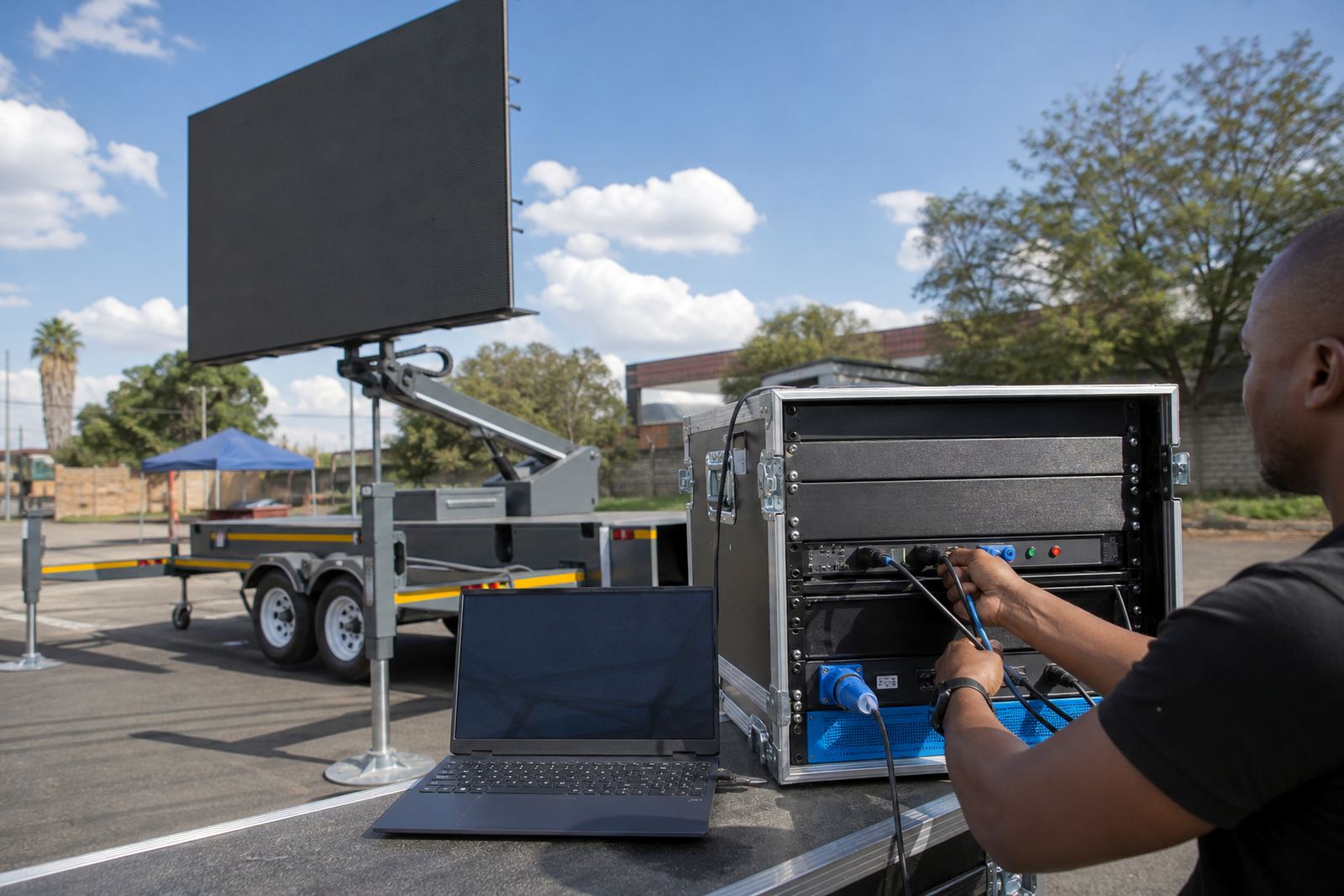
The on-site technician manages setup, playback checks, monitoring and close-down procedures.

Pre-Event Test Run

Pre-Event Test Run

A full test run before doors open helps catch media, power or signal problems early.

Rain Protection Steps

Rain Protection Steps

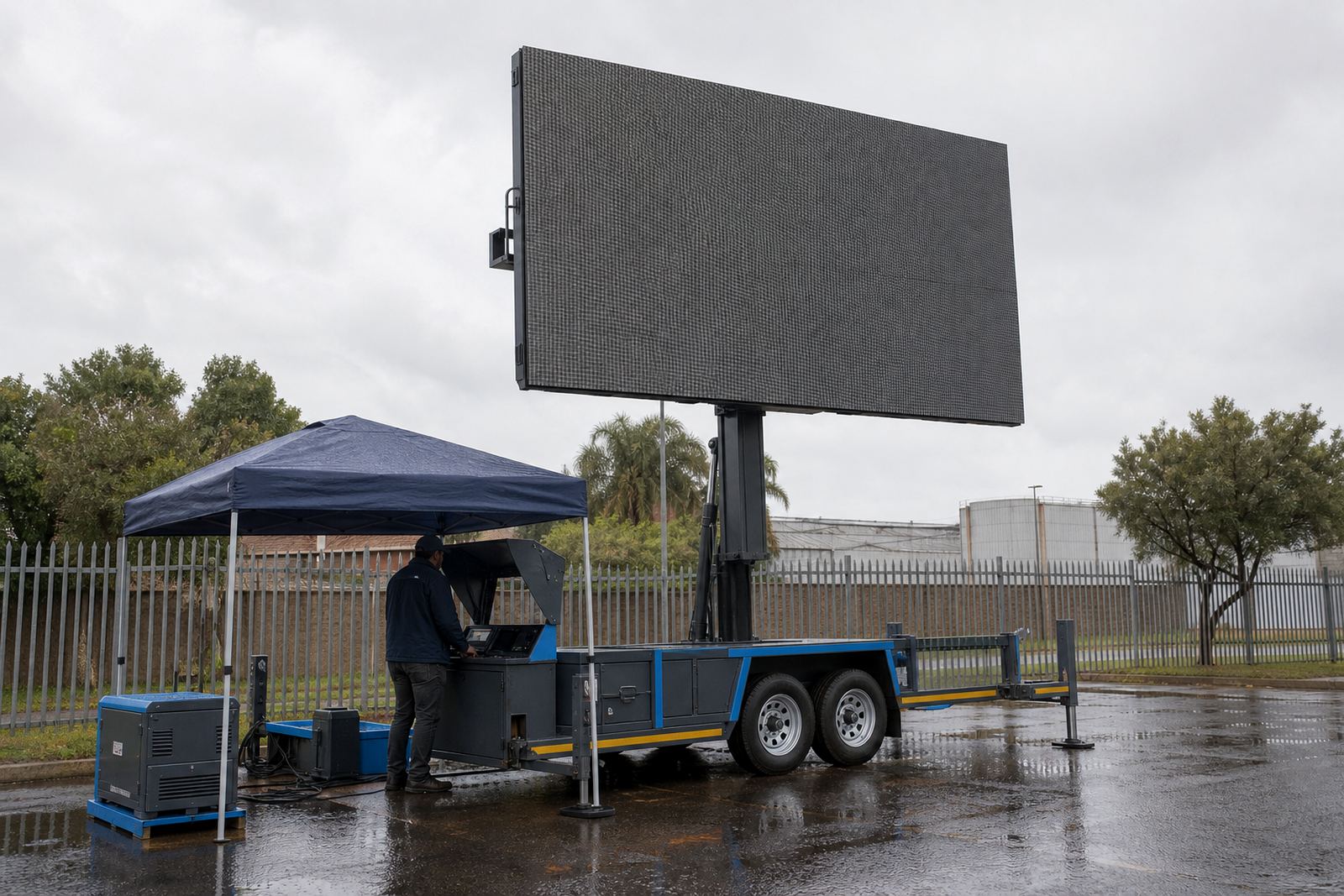
Outdoor operation should include protection for connectors, controls and technician work areas.

Sun Angle Effects

Sun Angle Effects

The direction of the sun can influence contrast and audience comfort across the day.

Audience Flow Lines

Audience Flow Lines

Screen placement should support natural audience movement rather than block key routes.

Safe Setup Zones

Safe Setup Zones

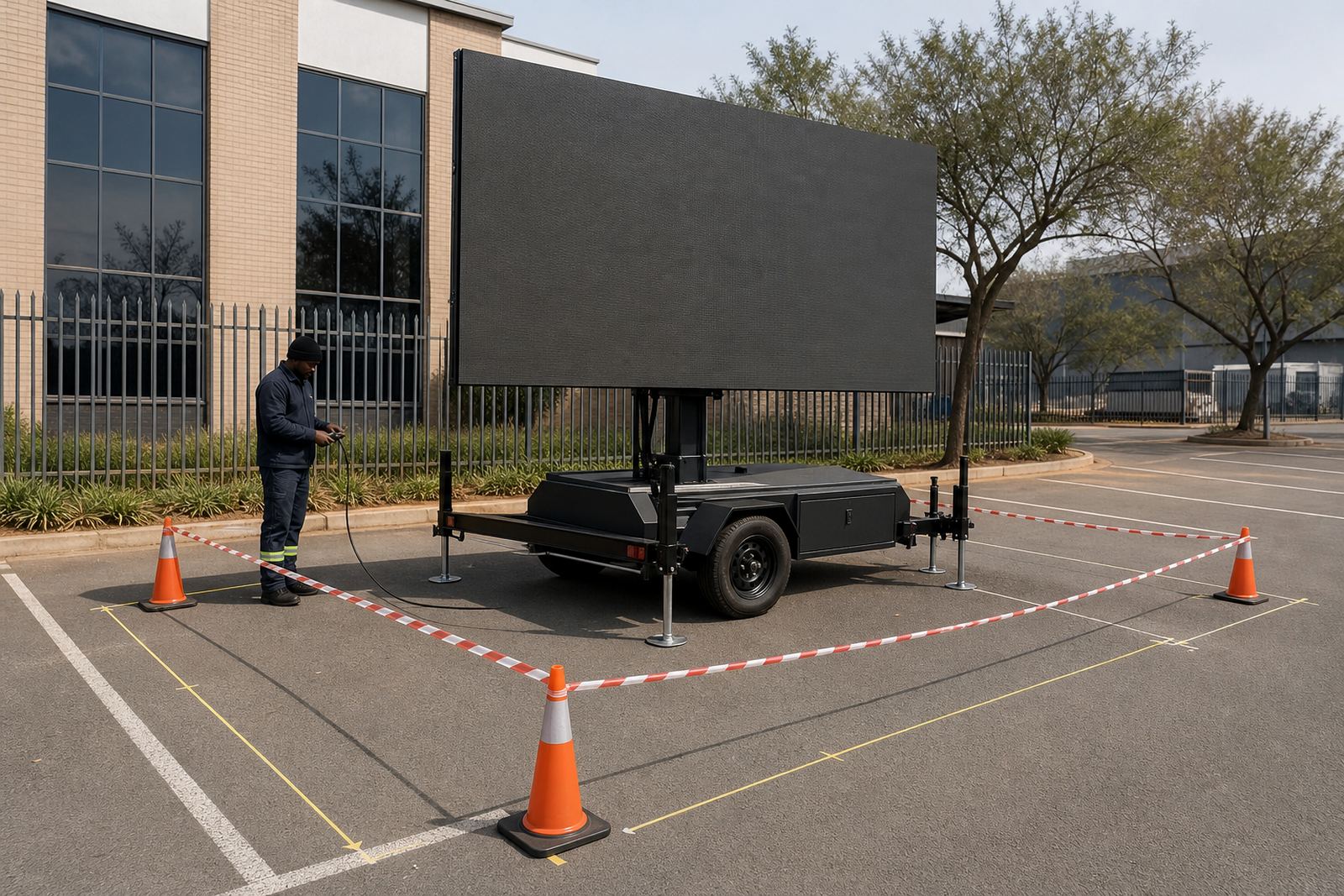
Temporary setup zones keep lifting, cabling and control work separate from the public.

Level Ground Matters

Level Ground Matters

Level ground helps stabiliser performance and reduces setup complications.

Tow Access Checks

Tow Access Checks

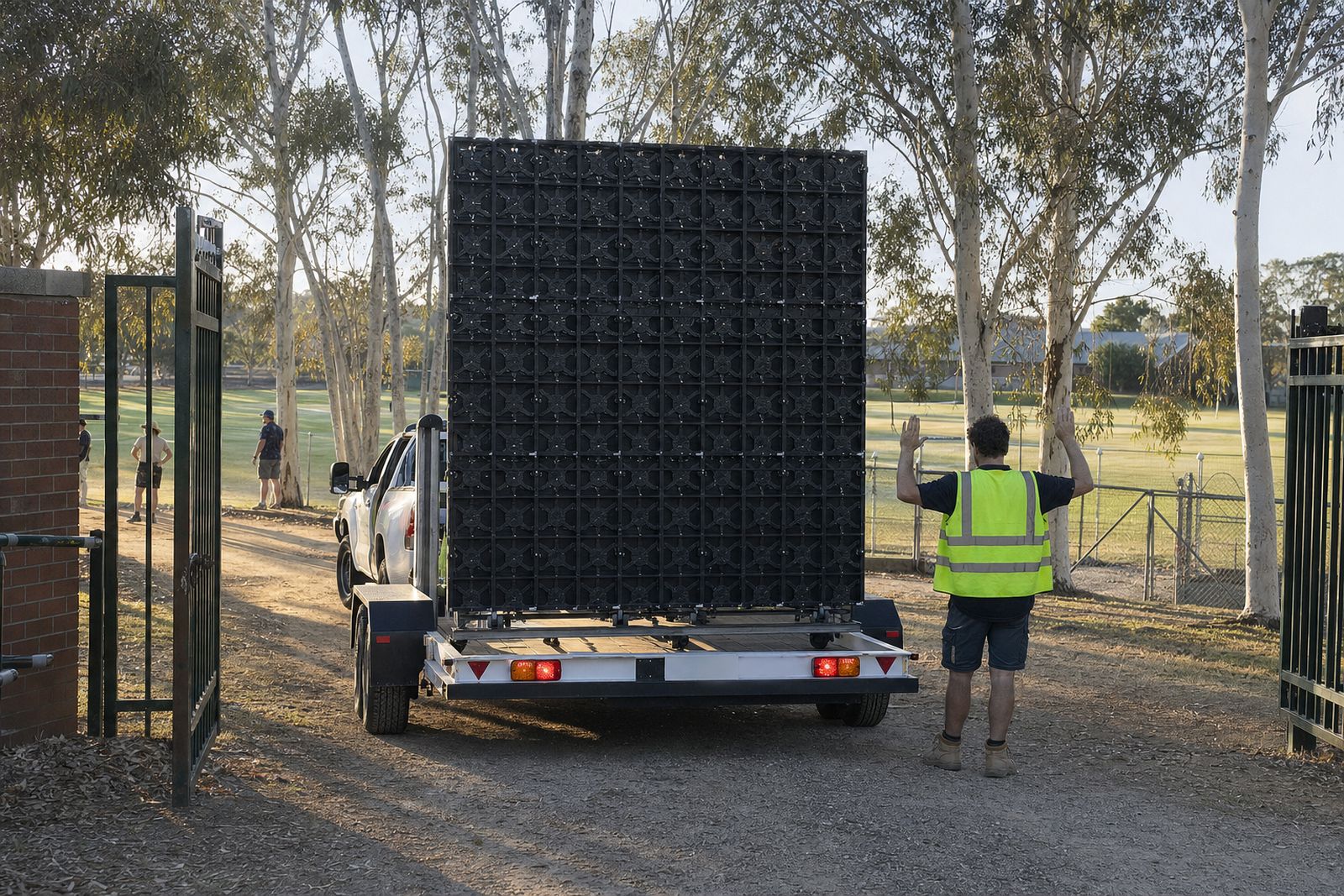
The route into a site should be checked for gates, turns, gradients and obstructions.

Screen Cleaning Basics

Screen Cleaning Basics

Basic cleaning of cabinets and control areas supports neat presentation and safe handling.

Speaker Screen Spacing

Speaker Screen Spacing

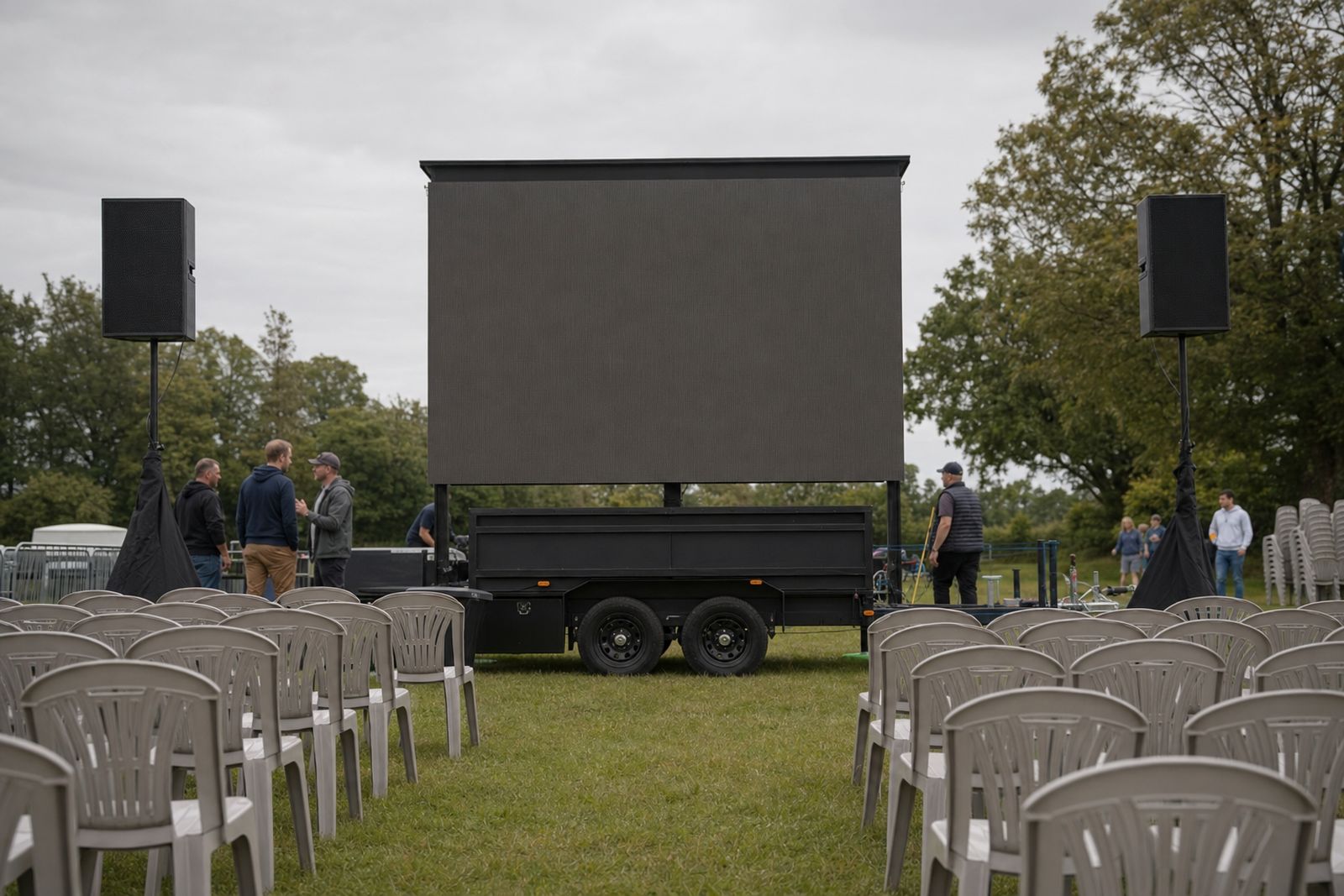
Spacing between audio stacks and the screen area should allow safe servicing and sightlines.

Generator Positioning

Generator Positioning

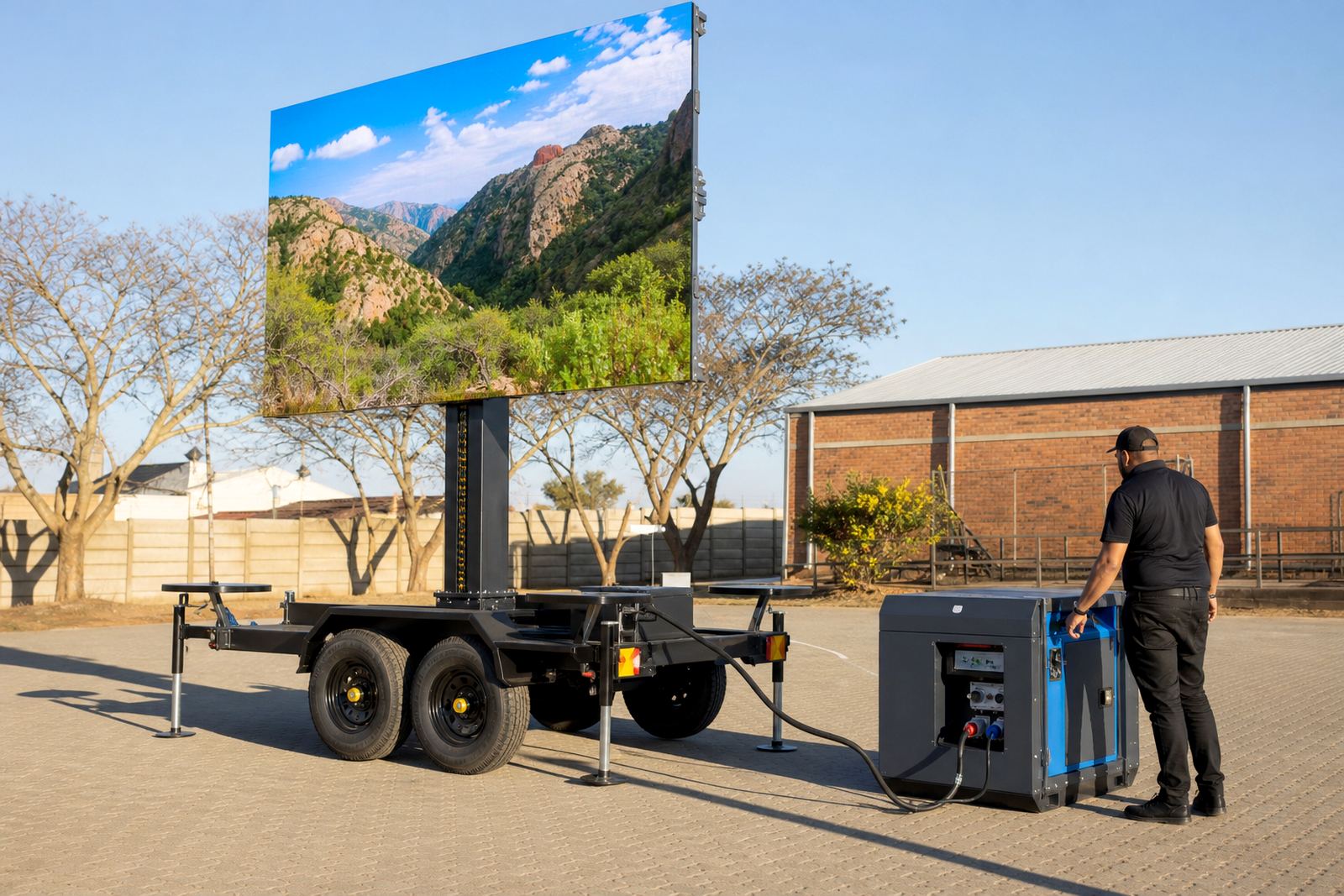
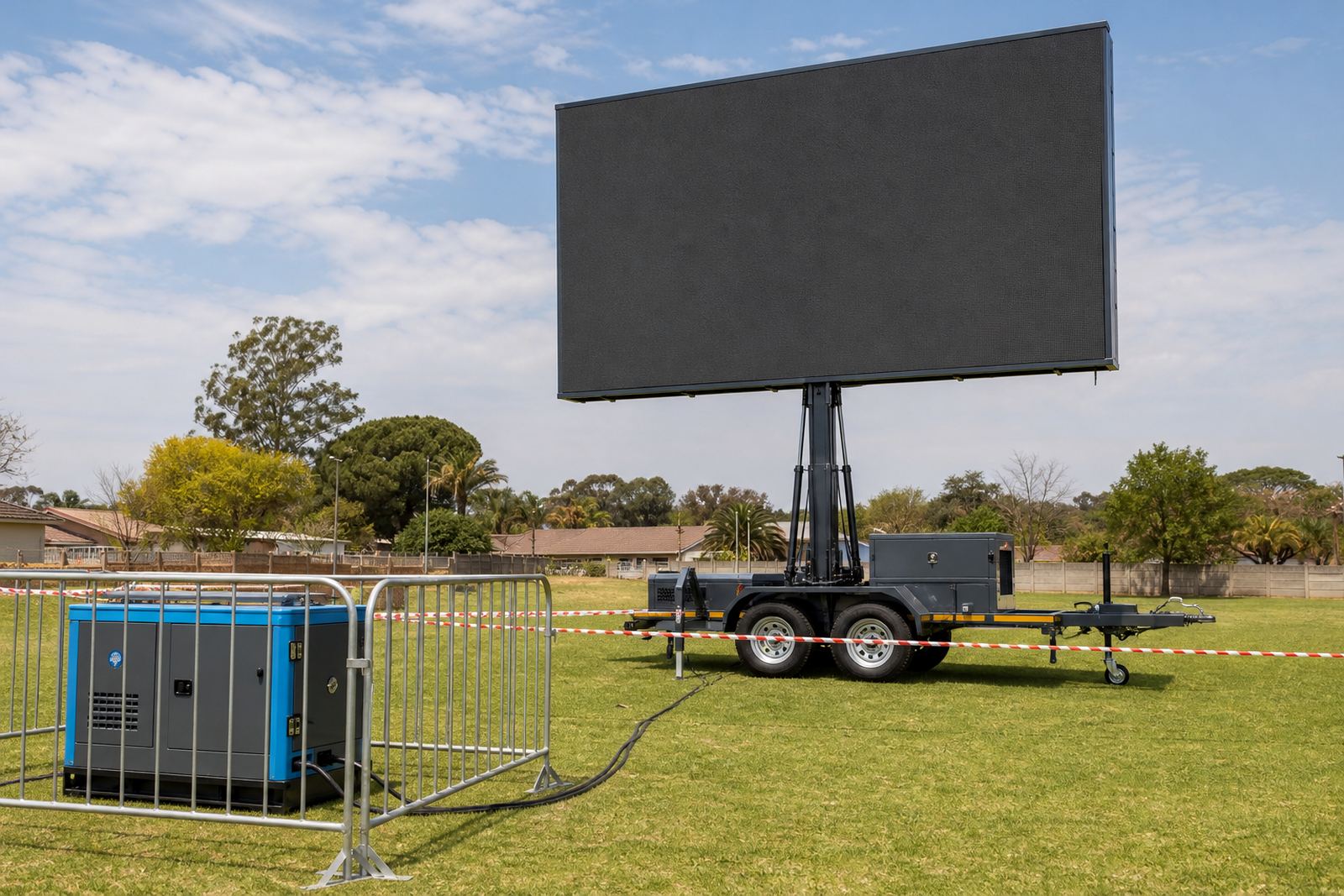
Generators should be positioned with cable length, ventilation and audience separation in mind.

Mains Supply Checks

Mains Supply Checks

Venue mains should be checked for suitability before relying on a fixed connection.

Outdoor Legibility

Outdoor Legibility

Simple layouts, strong contrast and large type improve message legibility outdoors.

Picking the screen format for the job

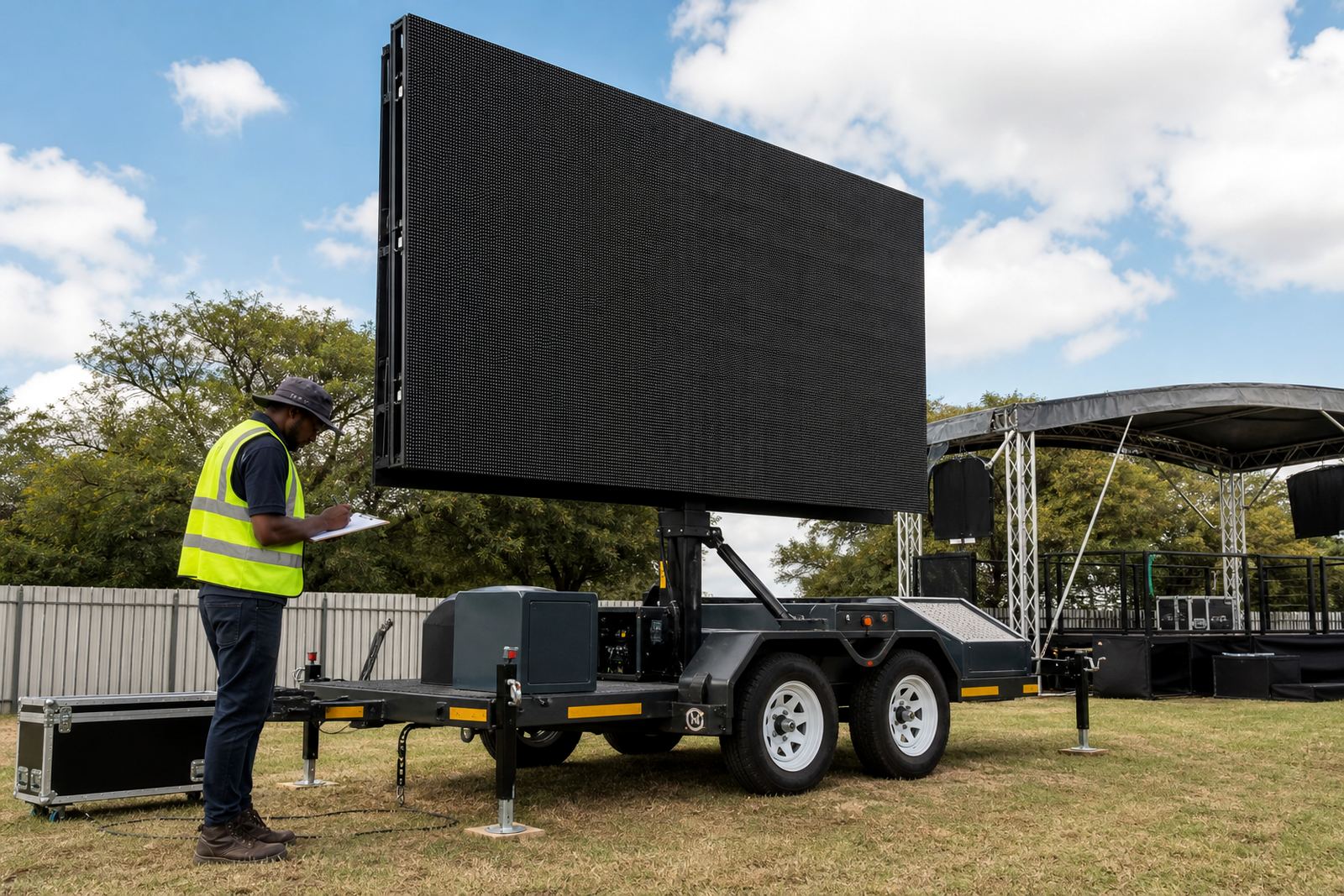
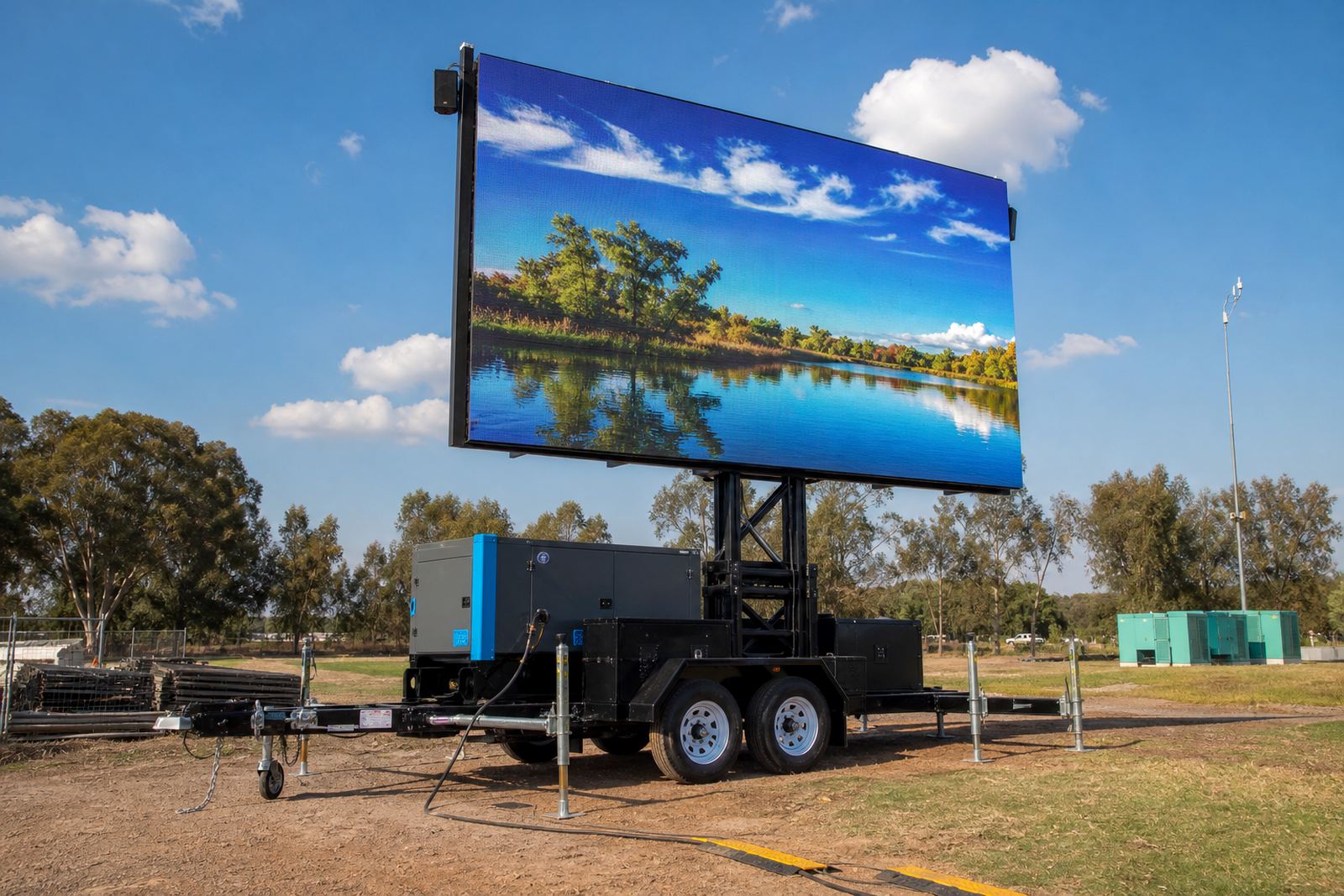
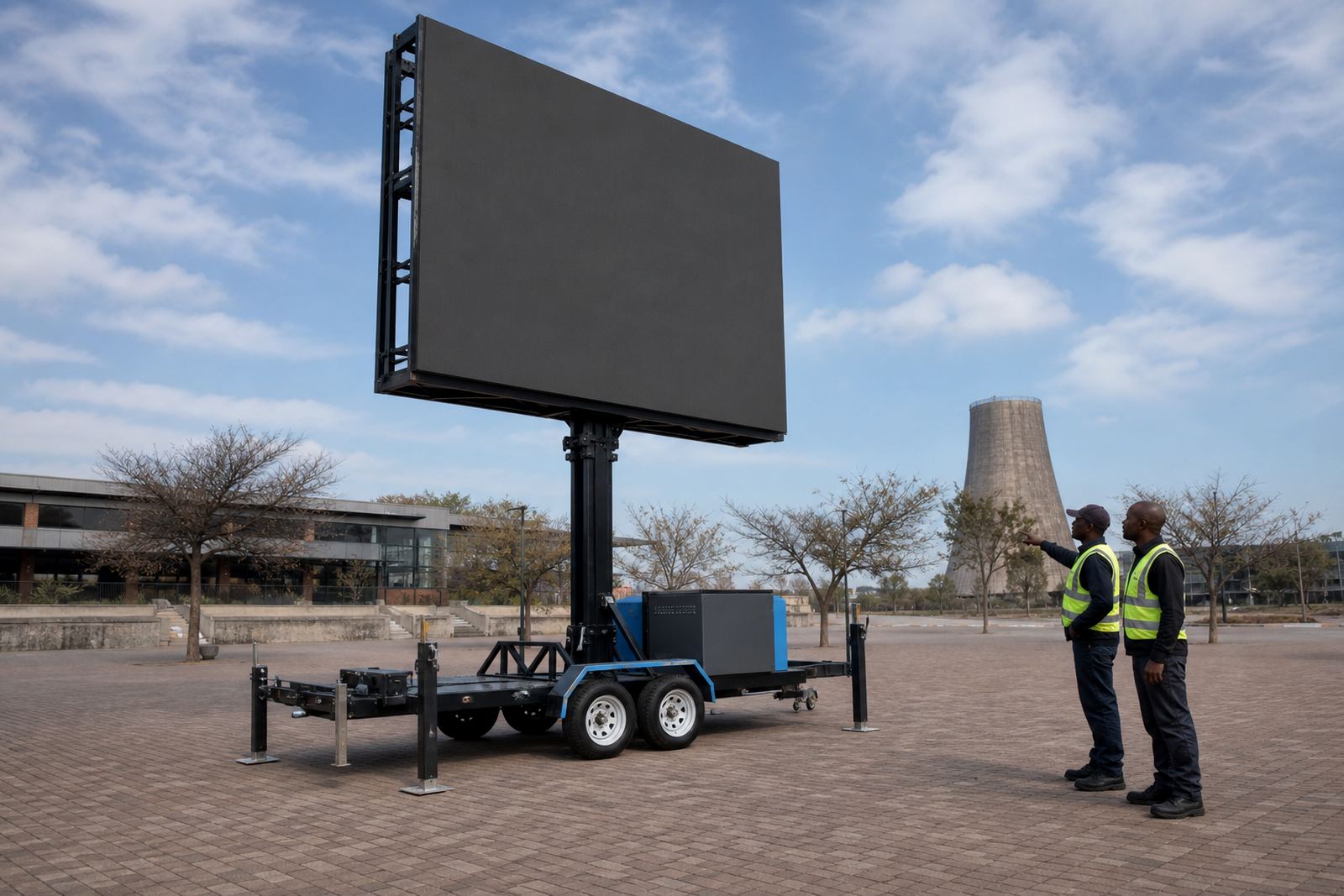
Outdoor LED screen trailers suit fast-moving campaigns, sports days and roadshows where the screen must travel, level quickly and stay visible in open light. LED boxes are better when the screen layout stays in one place for longer, or where the display needs to be built to suit a stand, stage edge or branded area.

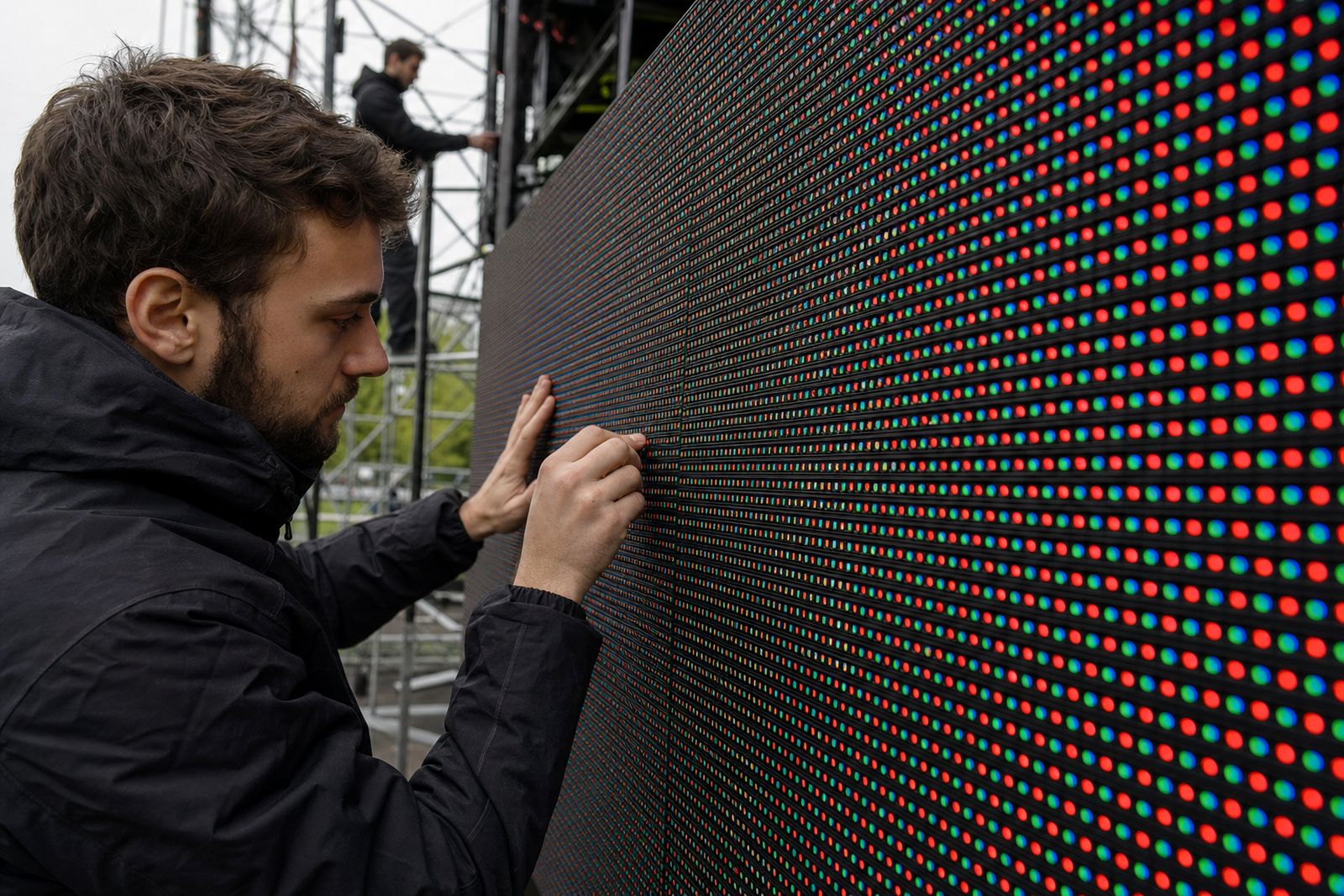
Pixel pitch affects how sharp the picture looks from different viewing distances. Finer pitch helps where people stand closer to the screen, while a wider pitch can work well for larger crowds and longer viewing distances. Brightness matters too, because outdoor daylight in Johannesburg or Pretoria is not the same as an evening event in Durban.

Trailer features that change the plan

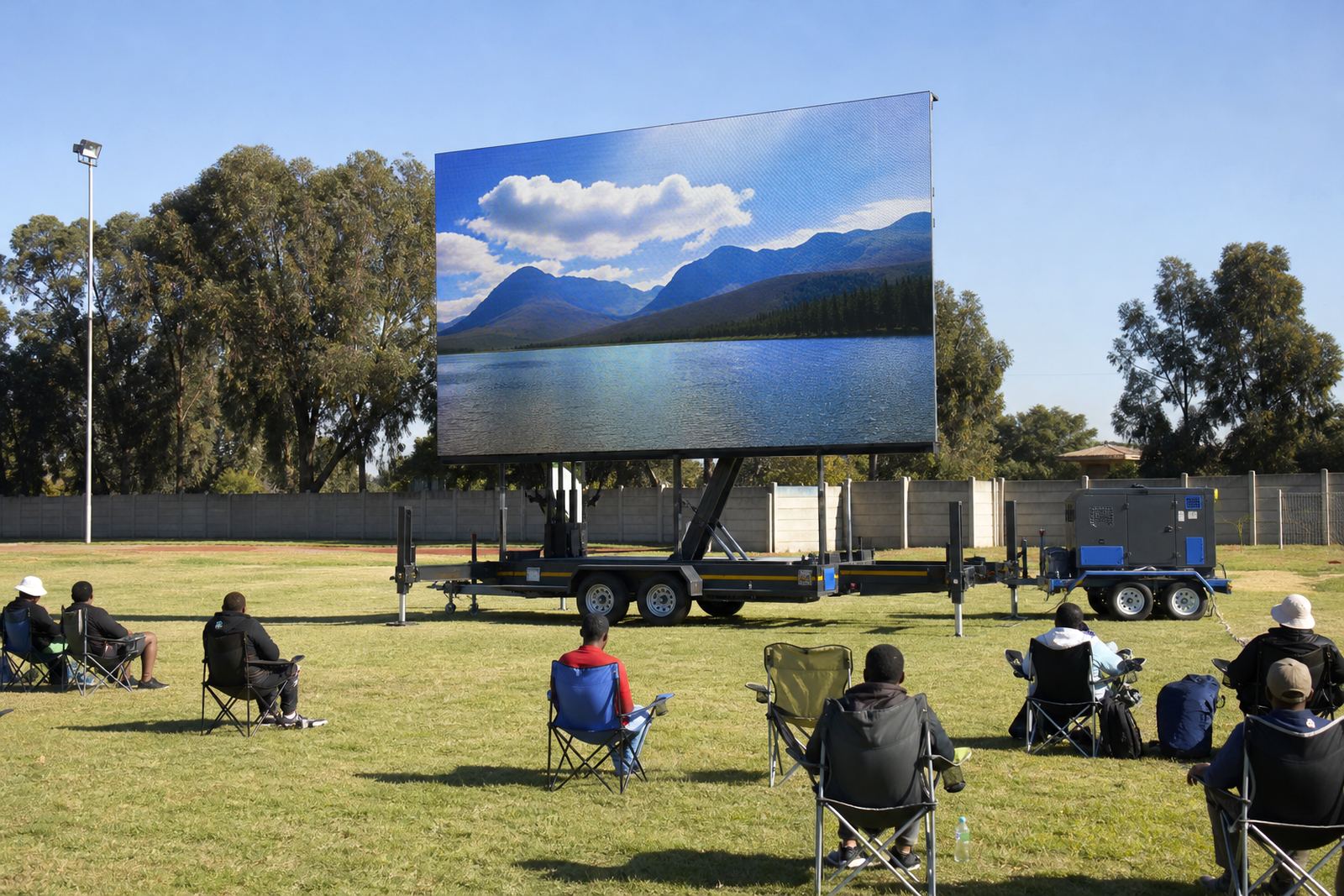
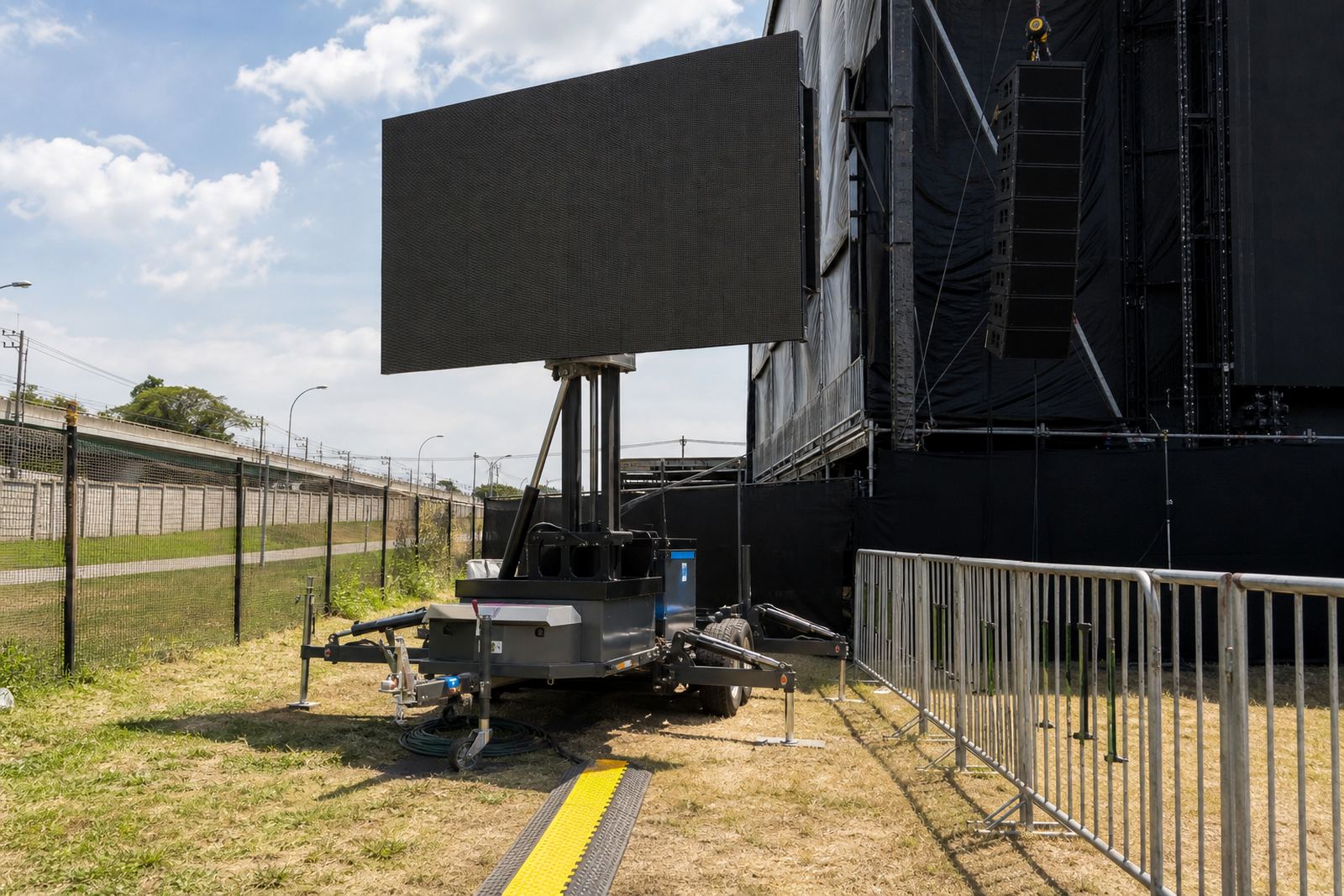
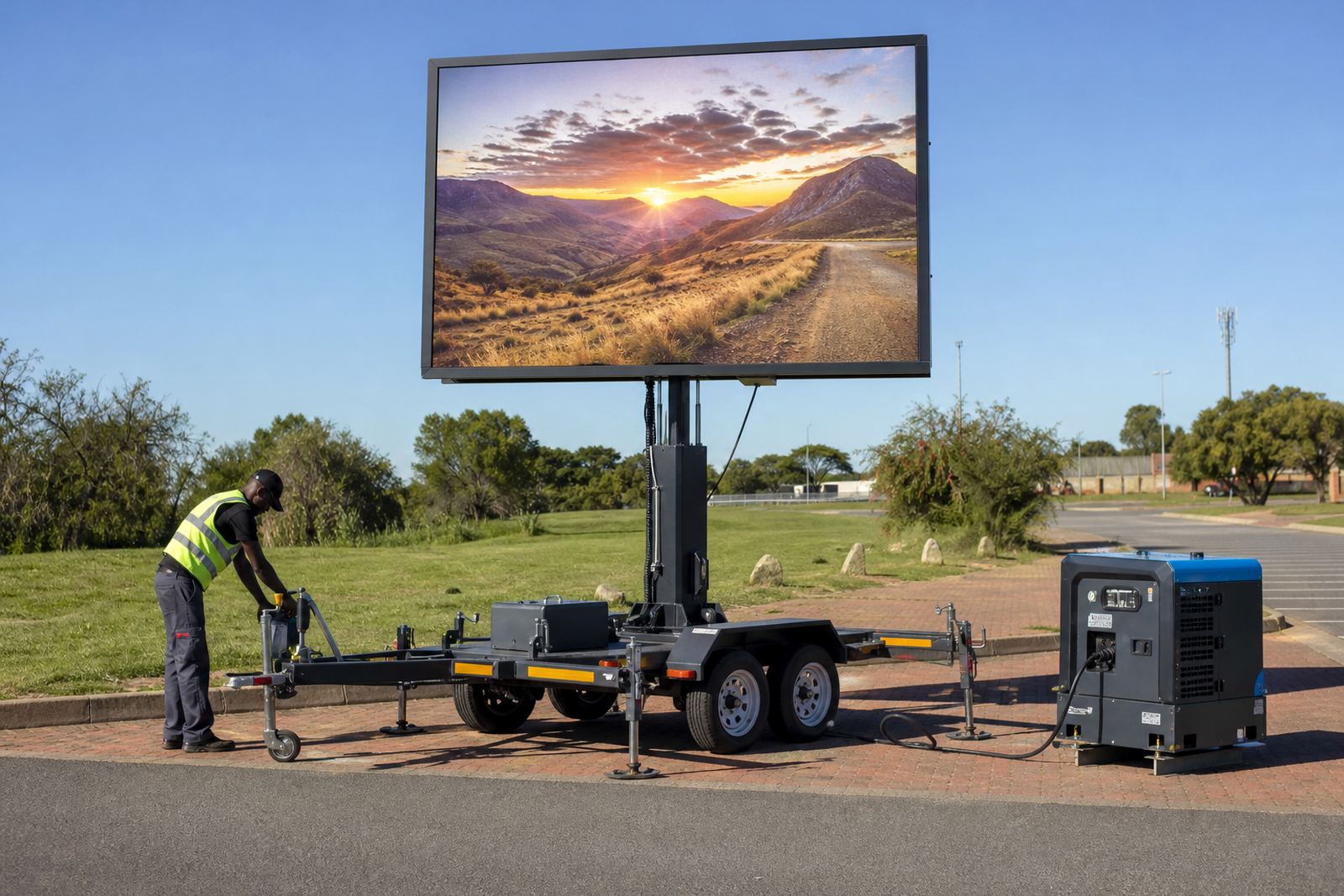
Outdoor LED trailers usually include a hydraulic lift that raises the screen into view and, on some builds, rotation for better sightlines. That helps when the audience is spread across a field, parking area or sports ground. The trailer must also sit level and stable, with anchoring or other restraint where conditions call for it.

Wind is a real planning item. The screen can only be run within safe operating limits set for the unit and the site, and weather monitoring is part of that process. If a forecast shifts, the crew may pause use, lower the screen or change the layout before the conditions become a problem.

  • Hydraulic lift for quick height setting
  • Rotation on selected trailer builds
  • Safe operating limits for wind and weather
  • Level parking and stable positioning

Power choices on site

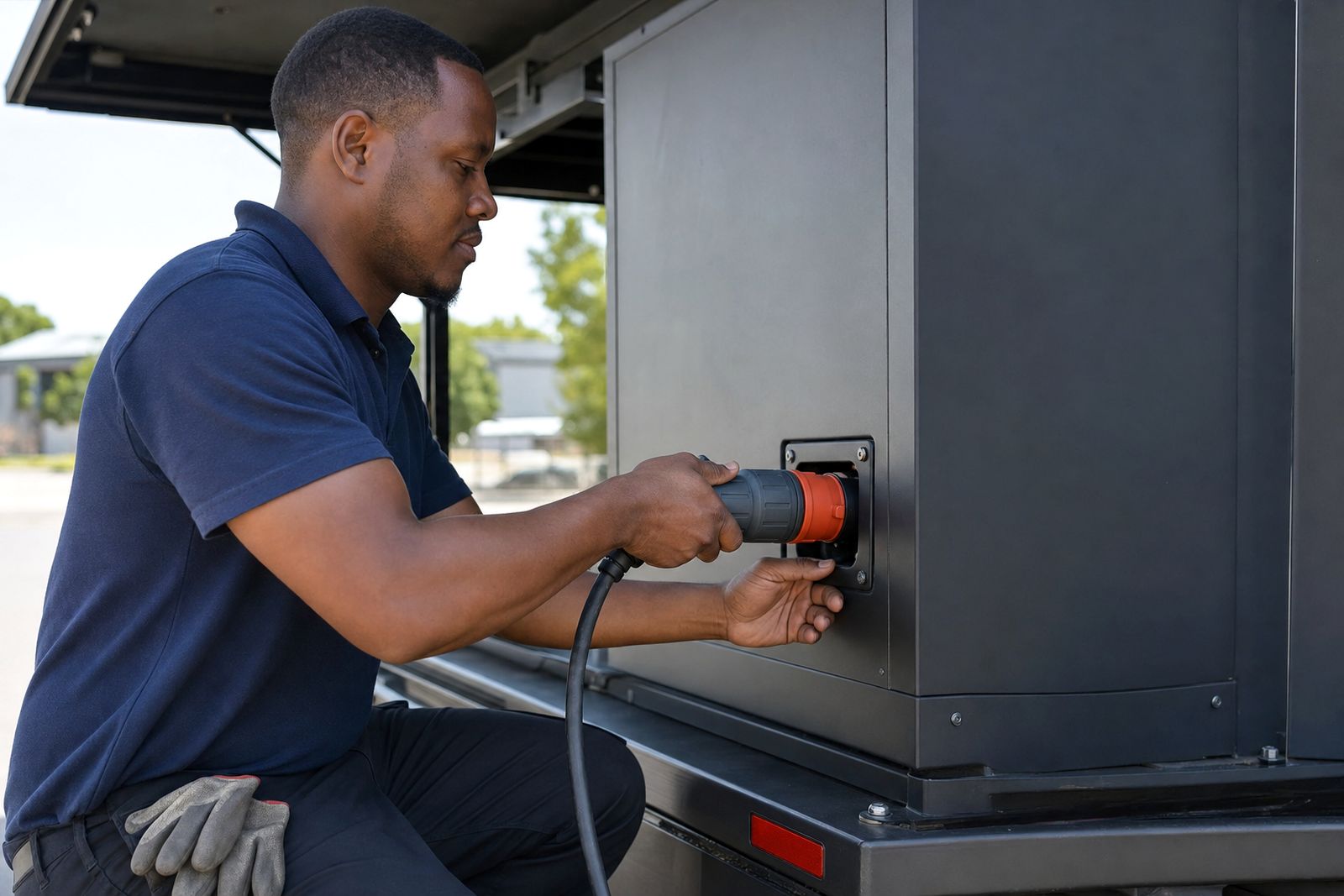
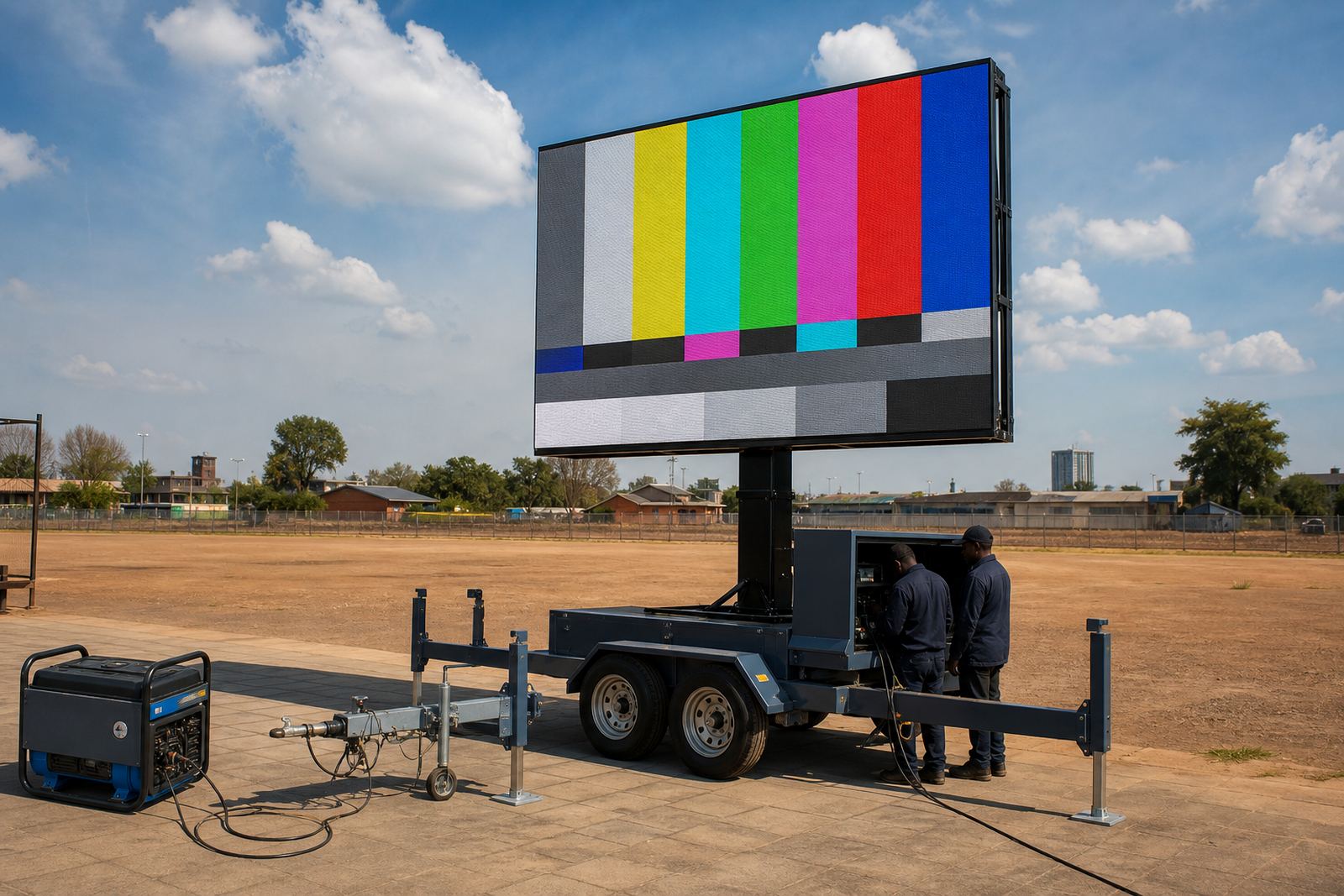
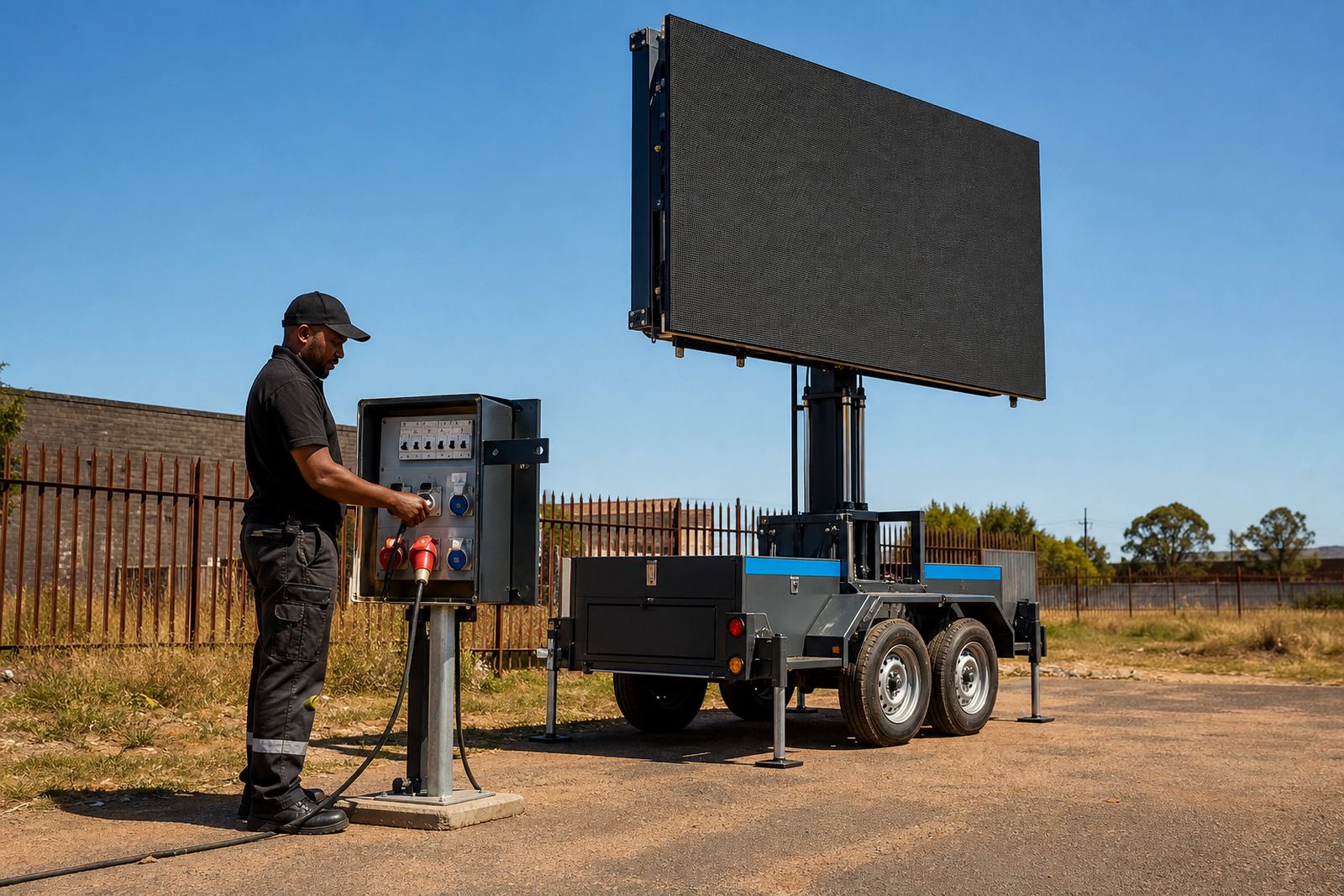
Some jobs run from generator power and others from mains power, depending on the venue, timing and access to supply. The right choice depends on the screen size, the audio if it is part of the setup, and the load on the full site. Good power planning avoids guesswork at set-up time and keeps the technician working from a known supply.

For public spaces, temporary power use may also need to fit the rules of the venue or local authority. Cable routes, protection and placement all matter, especially where the screen sits near foot traffic or vehicle movement. On busy days in Ekurhuleni or Kempton Park, power access can shape the whole layout.

Permits, venue rules and local permission

Municipal permits can be part of an outdoor screen booking, especially for public viewing areas, roadside promotions or events that use shared land. In some cases the venue manager handles access rules, while in others the organiser needs to secure approval from the local authority or landowner. The exact route depends on where the screen stands and how the crowd will use the space.

Permission can also affect trailer parking, lighting, access times and where crew vehicles may stand. A tidy paperwork trail helps when a site sits near a road, a public square or a municipal boundary. That is common on roadshows crossing between Germiston, Johannesburg and Pretoria.

Playback, live feeds and the person running it

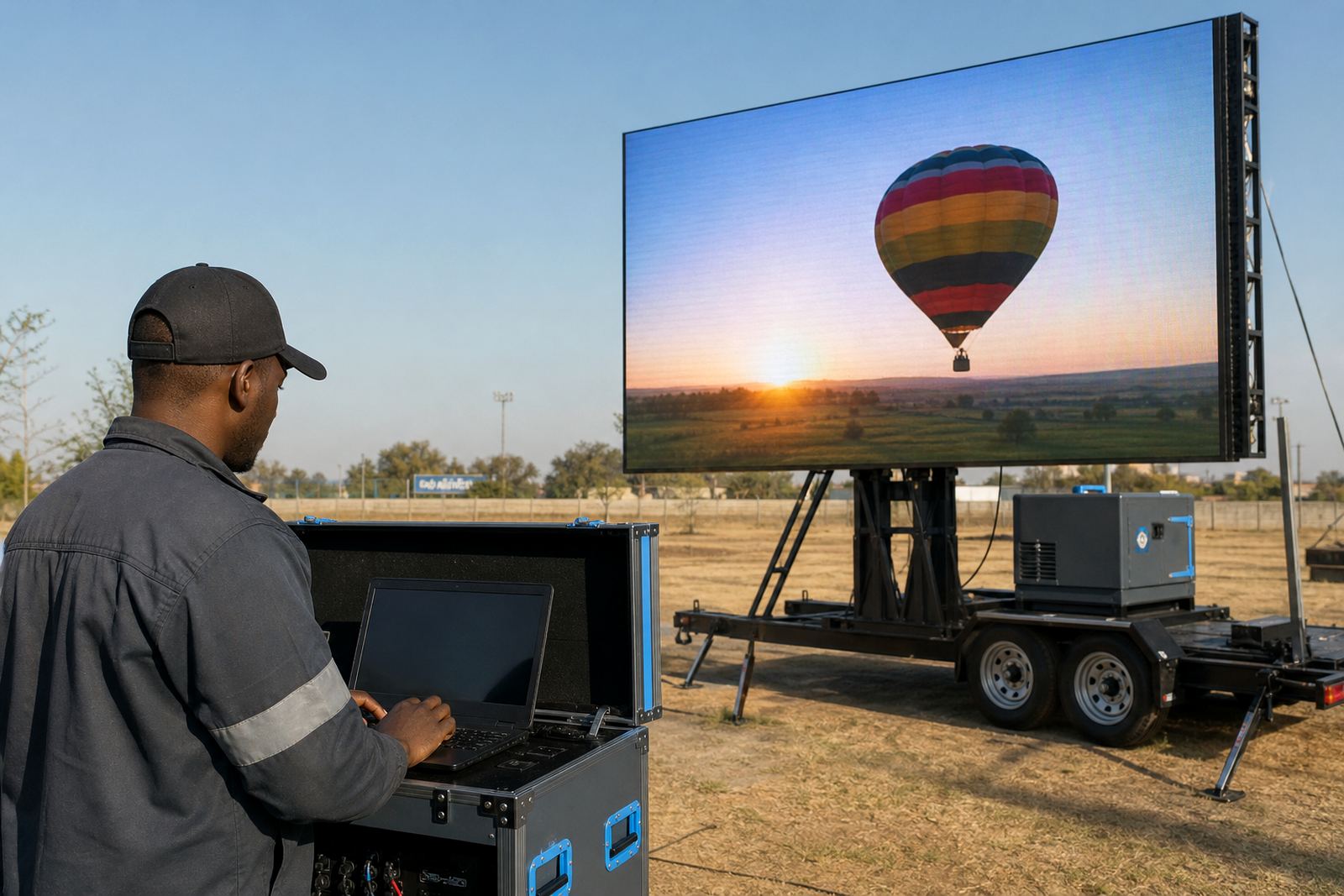
Content loading is more than dropping in a file. The screen needs the right format, aspect ratio and playback order, and the operator needs to know what should happen if a file is missing or a live feed drops. For sports days and concerts, live feed support can be the difference between a calm run and a messy one.

An on-site technician keeps the screen moving through rehearsals, programme changes and live adjustments. That includes checking brightness, switching content, monitoring signal, and keeping the display readable from the audience side. When the event has several stops, the playback plan should travel with the trailer and not live in somebody’s memory.

  • File checks before loading content
  • Live feed handling where a feed is used
  • Brightness checks for daylight viewing
  • Playback changes during the programme

Moving between towns without wasting a day

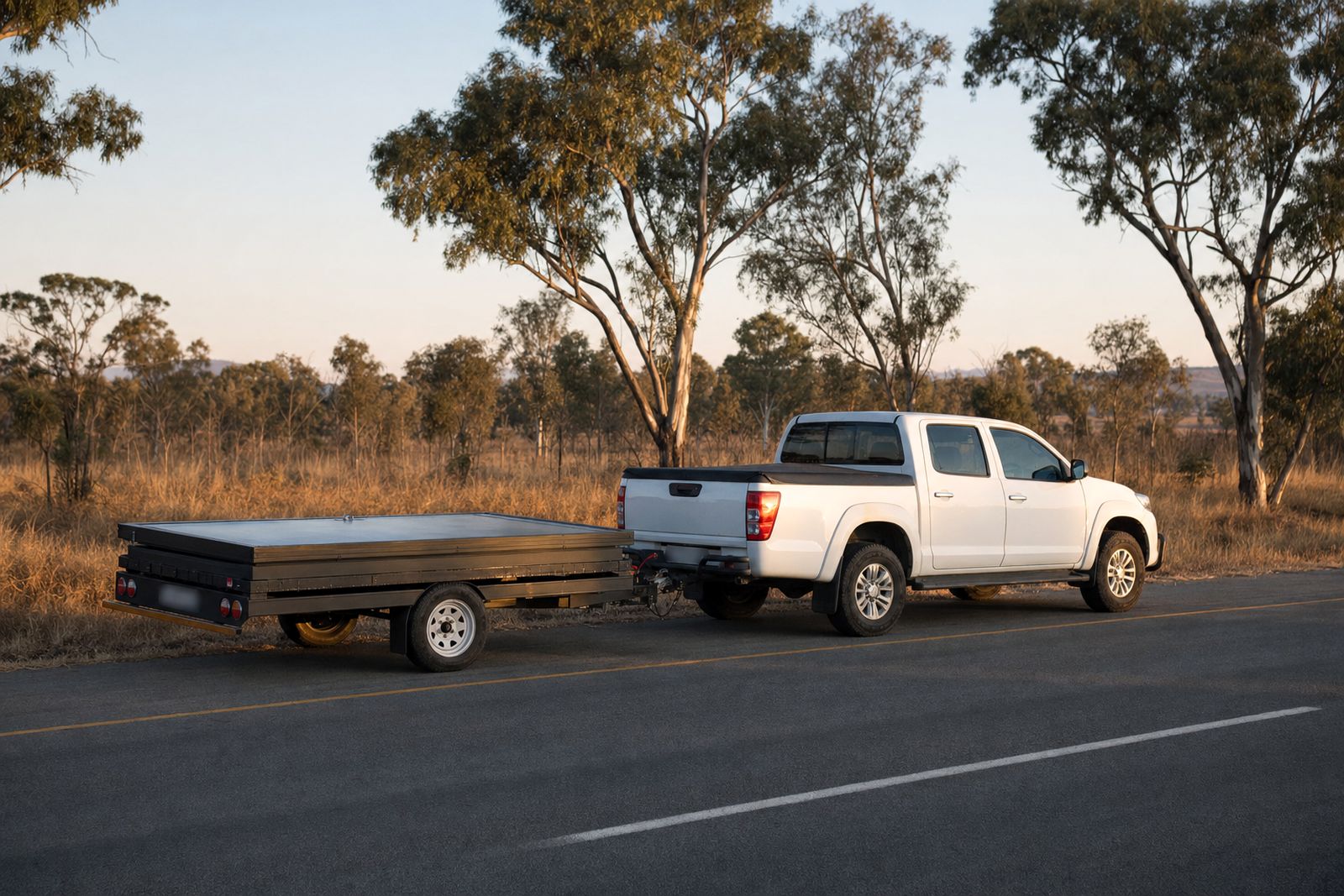
Multi-stop planning matters when the same screen is booked across more than one area. Delivery windows, route choice, parking access and setup space all shape the day. A trailer that works neatly in Bloemfontein may still need a different approach when it rolls into Durban or Polokwane, because the site, weather and access points change.

Pack down must be just as orderly as setup. Cables are checked, the screen is secured, the trailer is prepared for travel and the next venue is loaded into the plan. In practice, that is where experienced logistics coordination saves trouble, especially when the route crosses several towns in one campaign.

Questions teams usually ask before they lock the brief

Organisers often want to know how close the audience will stand, whether the screen will face daylight, if the trailer can move between stops, and whether power is available at each point. They also ask about technician cover, content loading and whether the venue needs permit guidance. Those details decide the final screen choice more than the headline size does.

The strongest brief gives the screen crew enough detail to plan the layout, the power, the route and the playback. If the event needs a screen that can move, raise, rotate and carry live content, put the movement plan and the power source at the top of the brief.

Screen hire questions

What makes an outdoor LED trailer different from a fixed screen?

A trailer screen is built for movement, quick setup and outdoor use. It can be transported between sites, lifted into viewing position and run by a technician on location.

Do outdoor screens need generator power or mains power?

Either can work, depending on the venue and the load on site. The choice depends on access, screen size and the wider setup at the event.

When do permits matter for an LED screen setup?

Permits may matter for public spaces, roadside activity or venues that need formal approval. The exact requirement depends on the site, the crowd area and local rules.

Send a message to the LEDBox team

Contact form