

Outdoor screens that carry a crowd-facing message
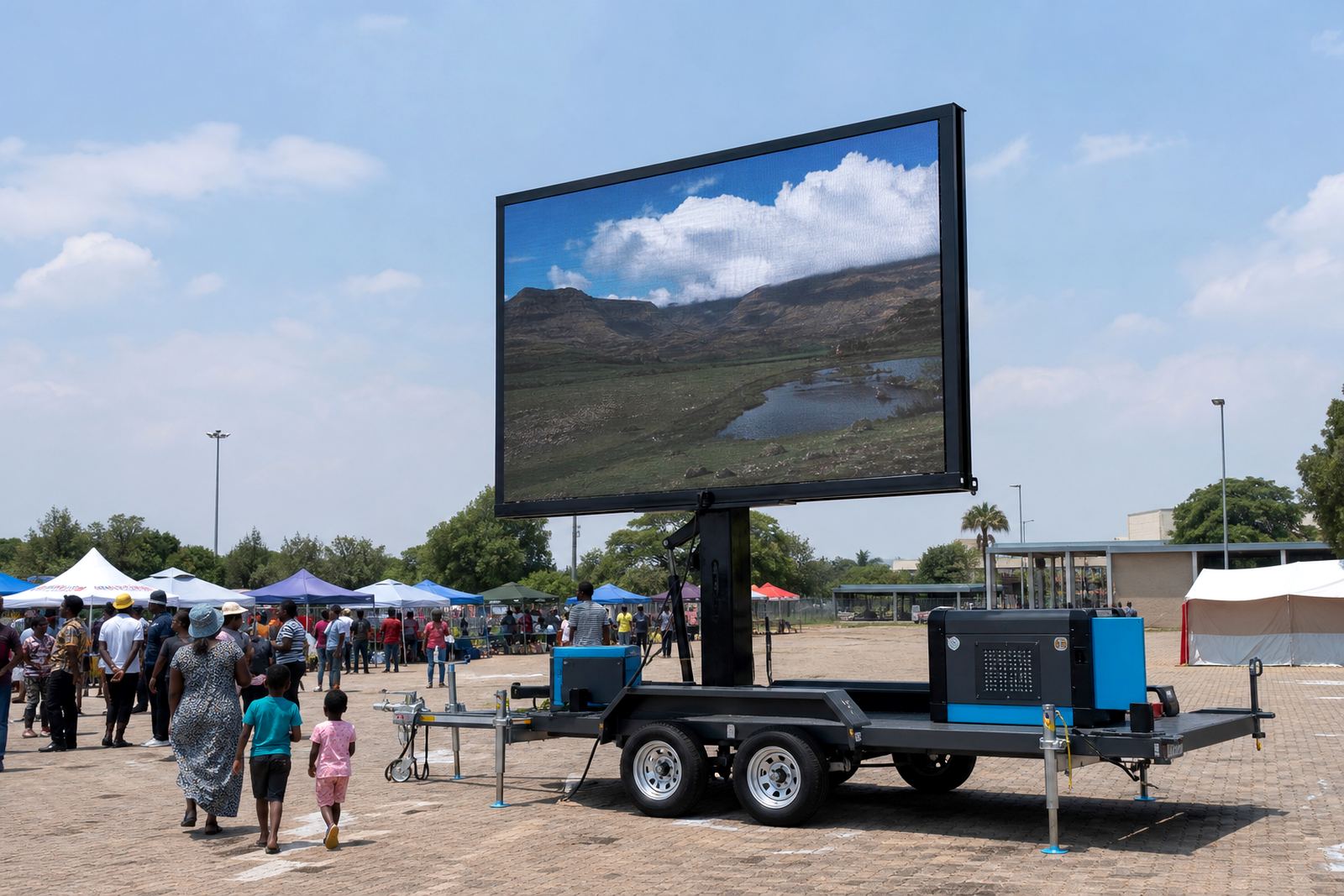
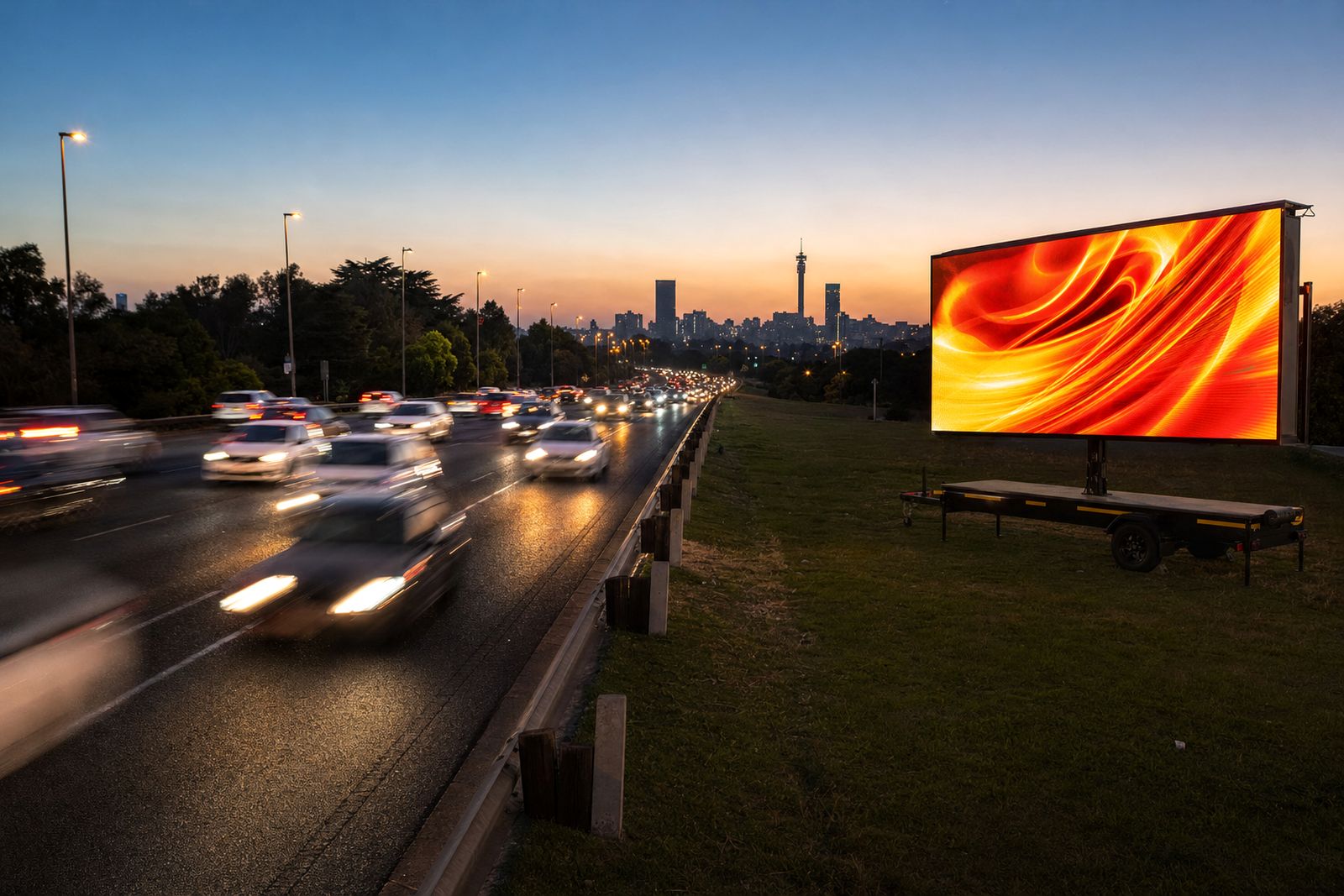
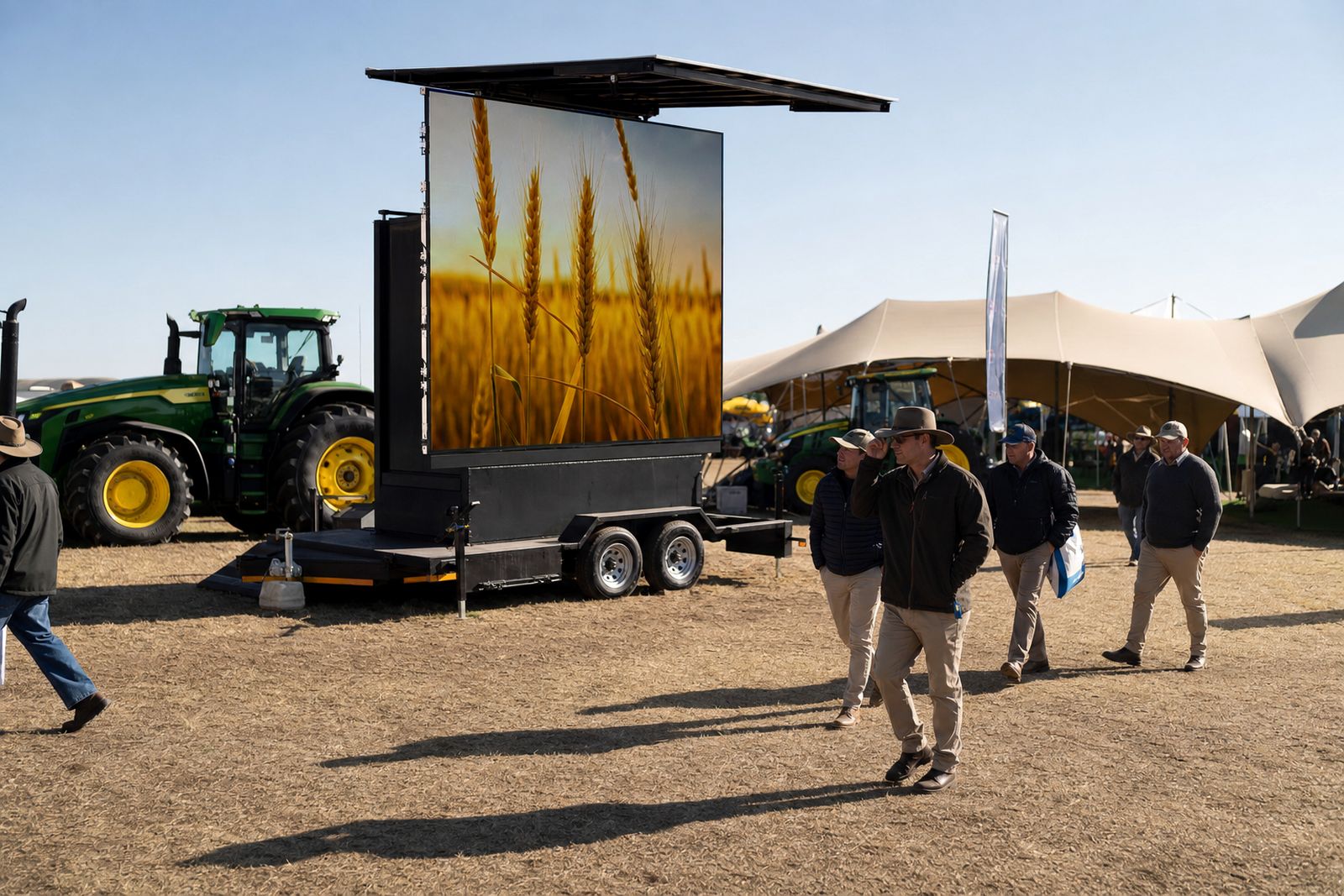
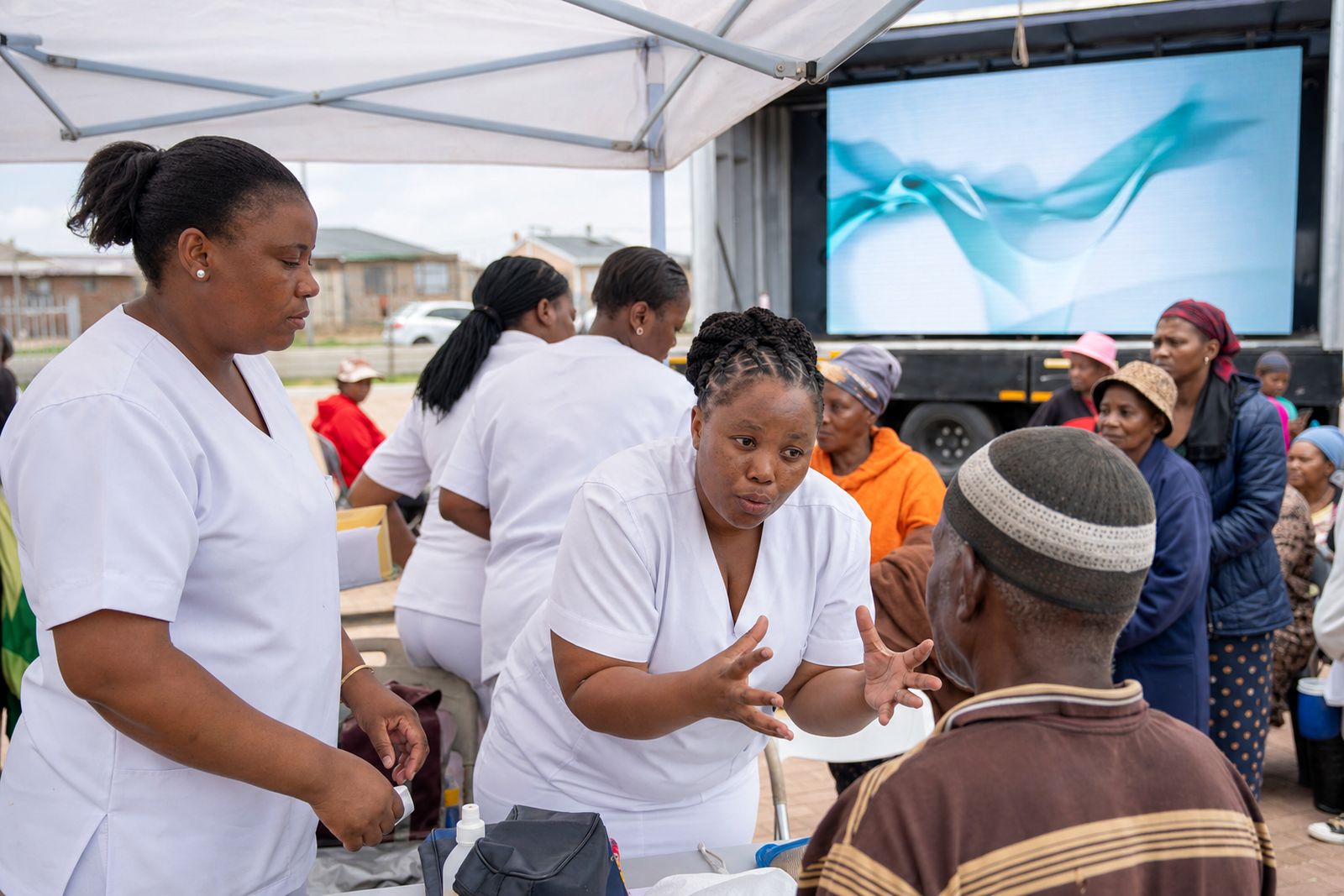
Campaign work asks for a screen that can be seen from a distance, read in bright sun and packed up without drama once the programme ends. Outdoor LED screen trailers are built for that type of use, with fine pixel pitch for closer viewing or wider pitches for bigger stand-off distances, plus high brightness so daytime content stays legible.
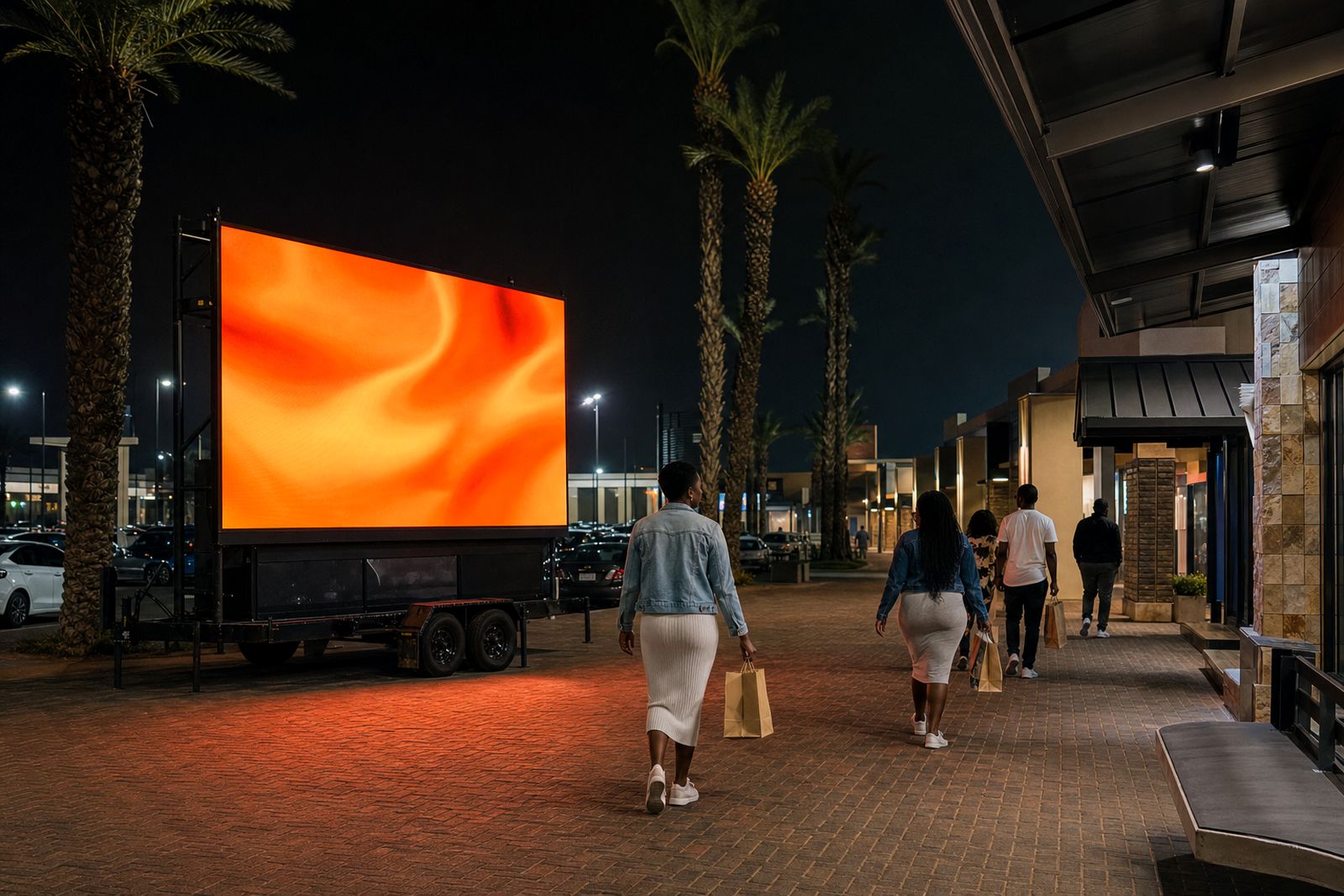
For events with moving foot traffic, the screen can carry adverts, live video, countdowns, safety notices and sponsor loops. The right size depends on the viewing line, the space available and how far people stand from the screen face.
Roadshows that move from one stop to the next
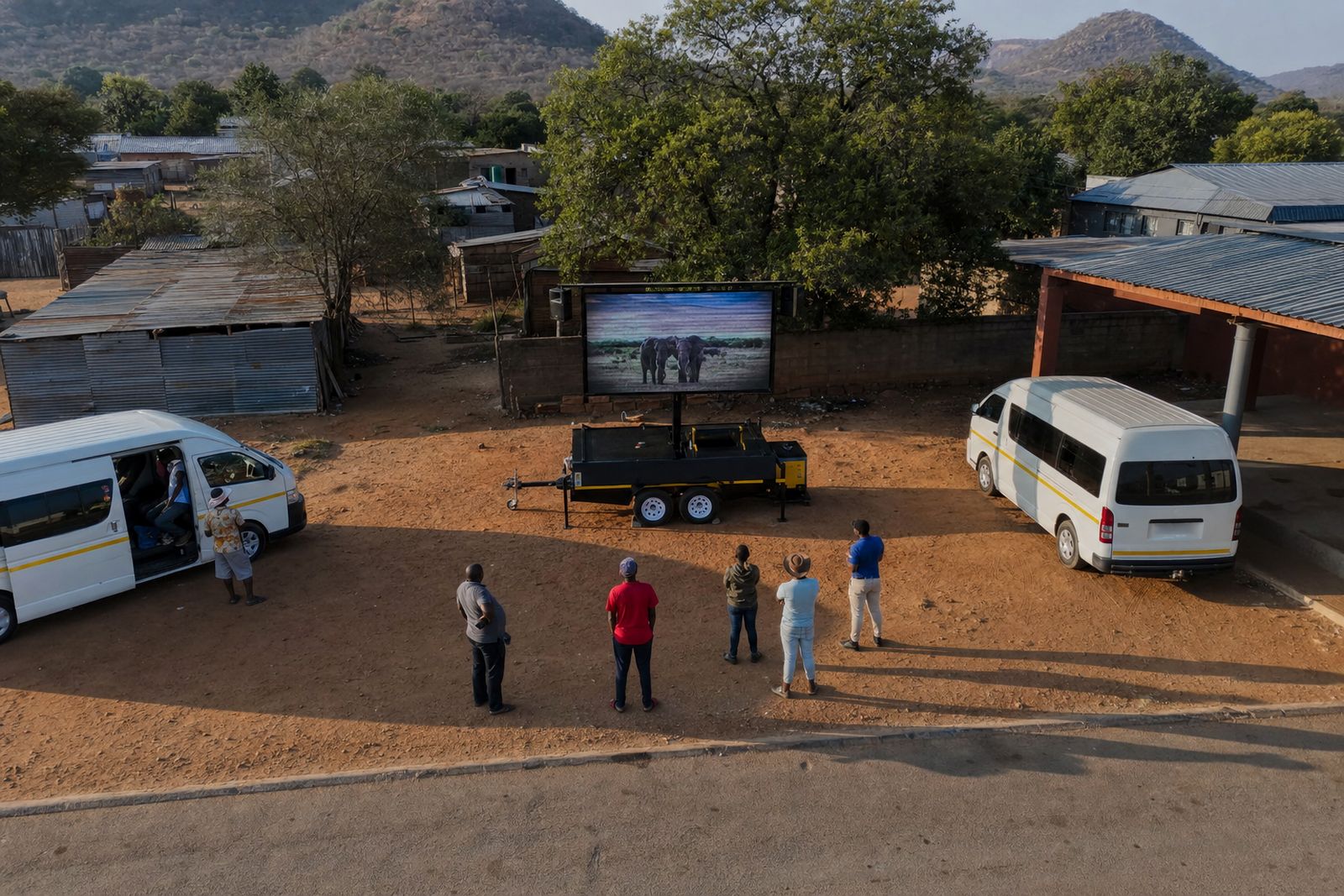
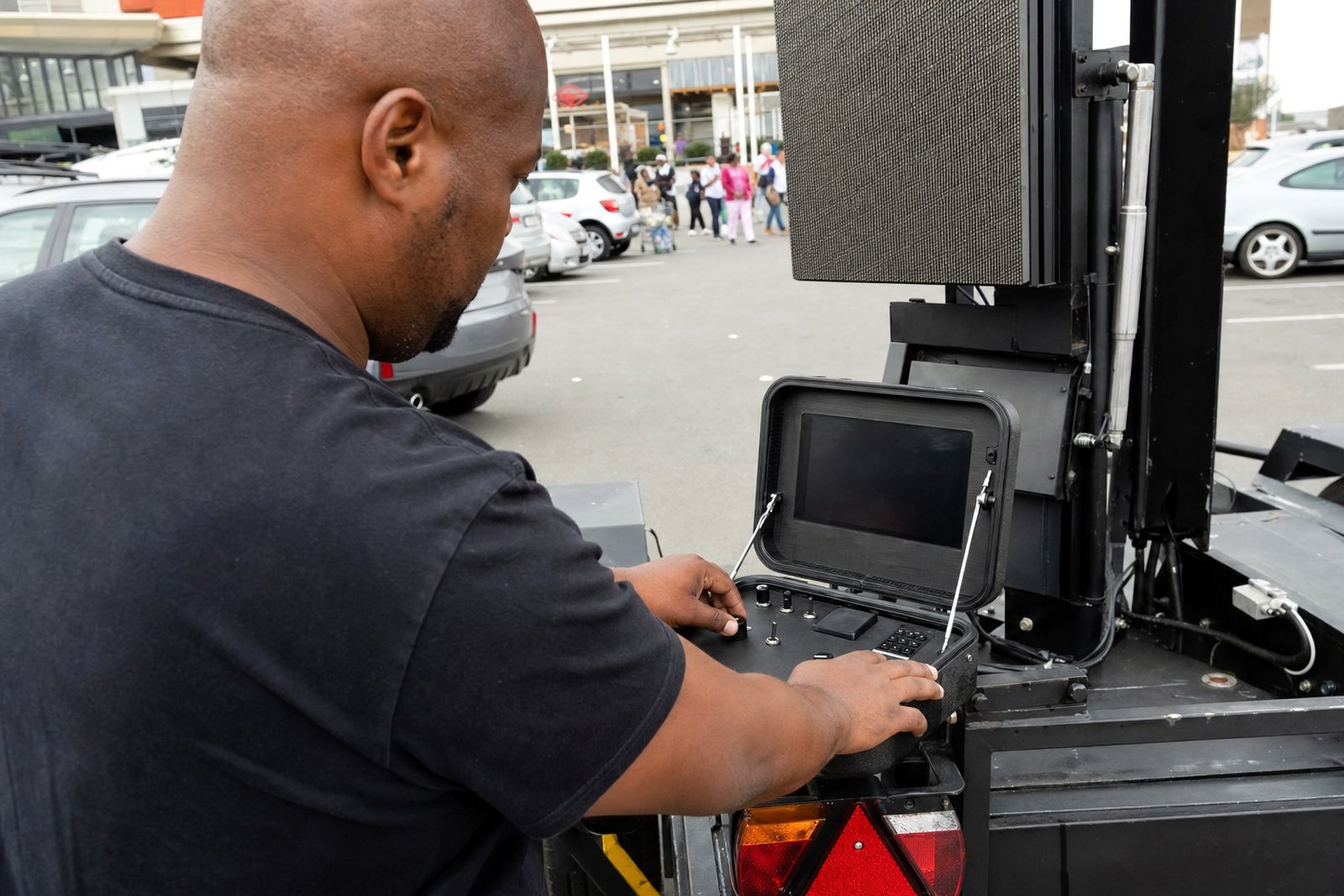
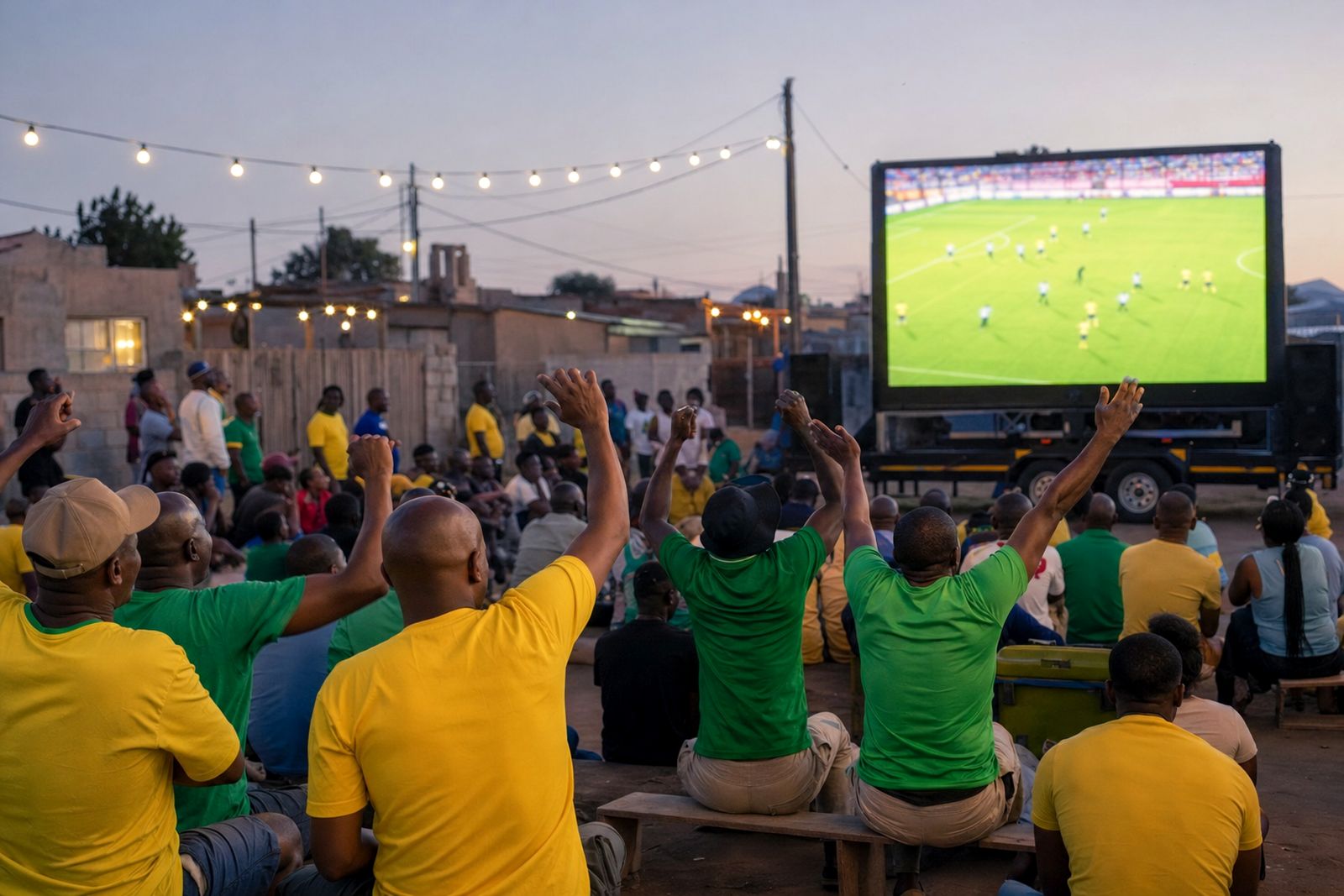
Roadshows need equipment that can be set, lifted and rotated without wasting time at each stop. Trailer mounted LED screens use a hydraulic lift for raising the display and, on suitable units, rotation for better sight lines on narrow stands or parking areas. That matters when the same screen must serve a mall forecourt, a township field or a roadside activation in one programme.
- Multi-stop planning for routed activations
- Delivery and pack down at each site
- On-site technician support during the run
- Content loading before the first audience arrives
Sports days, school fields and open grounds
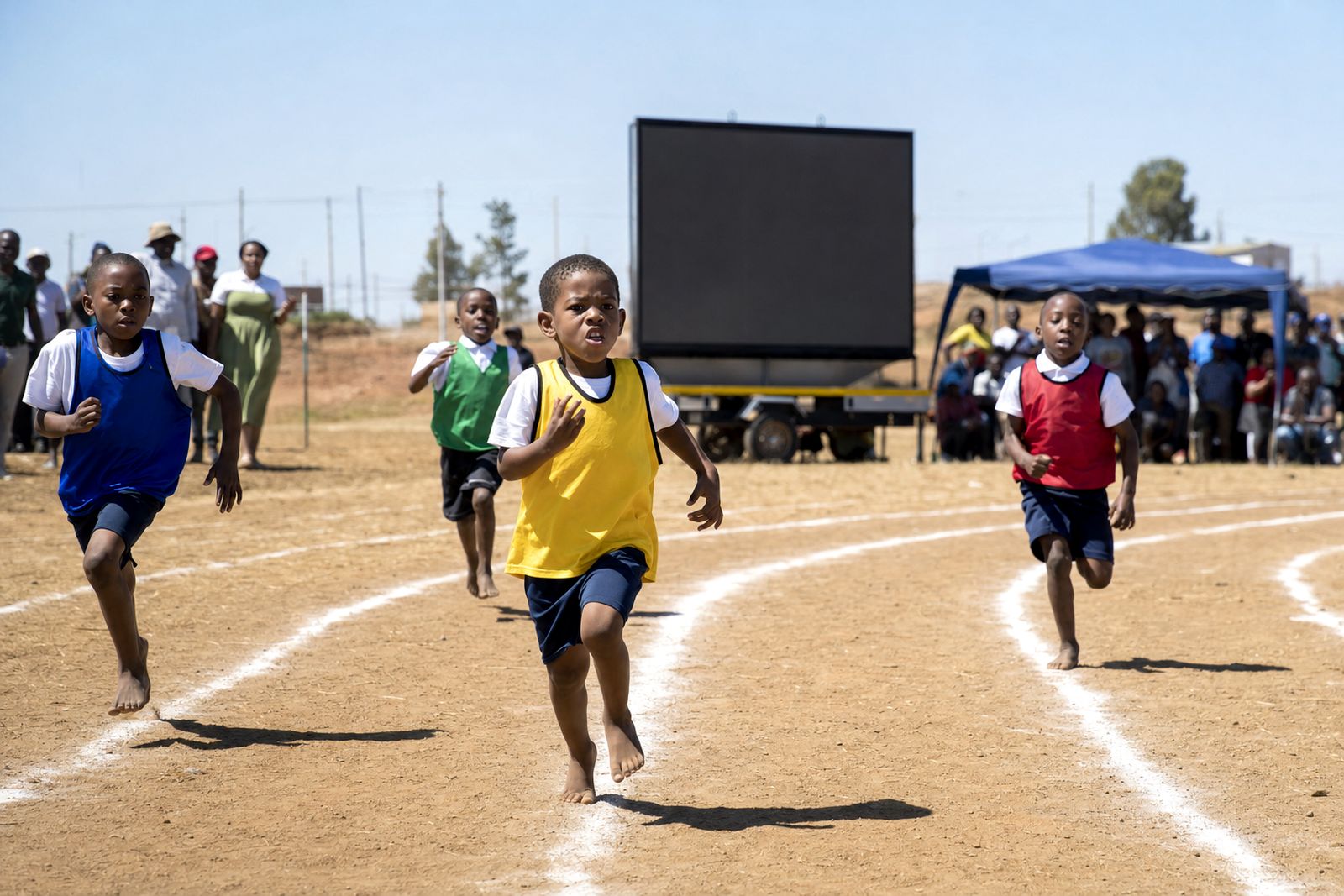
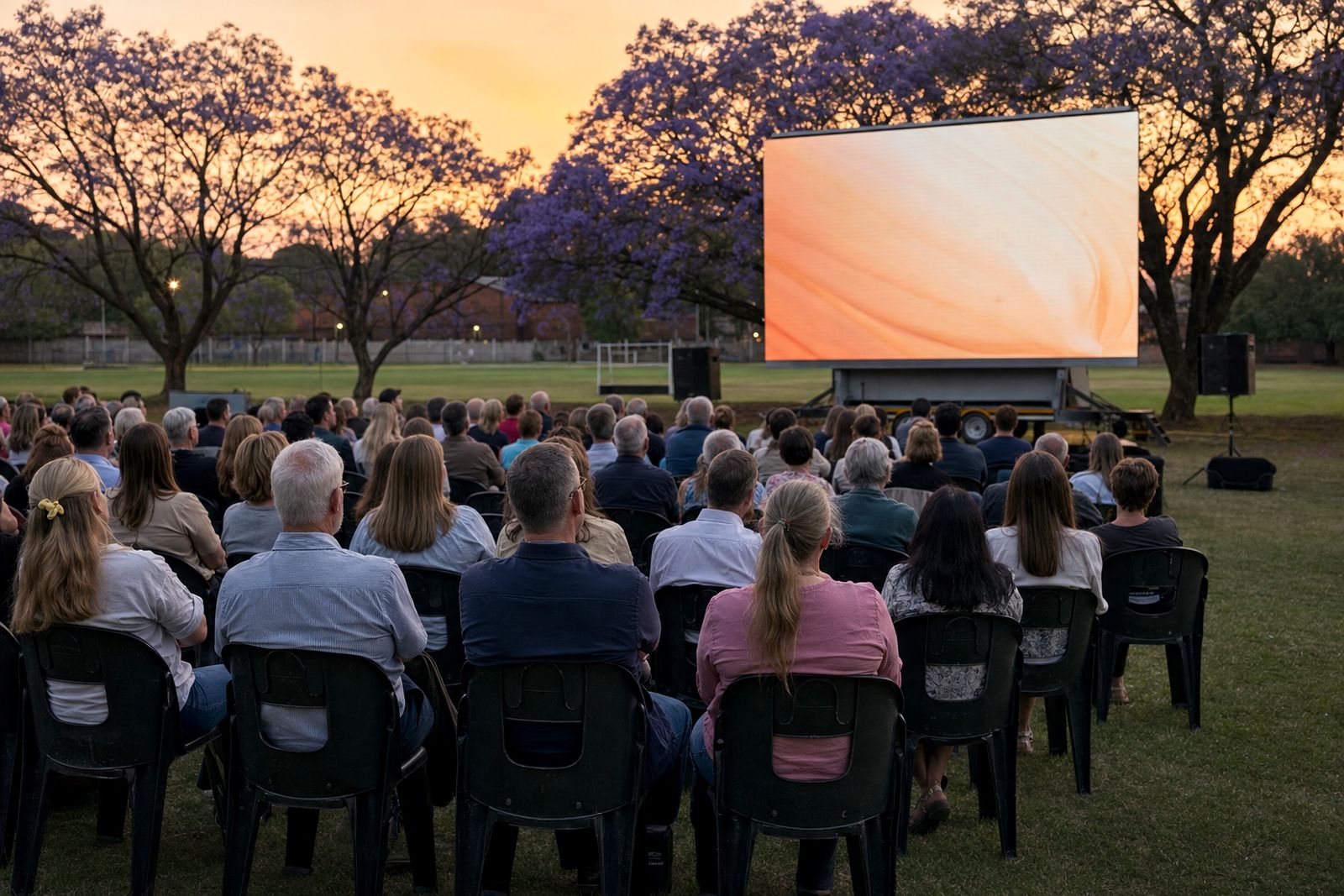
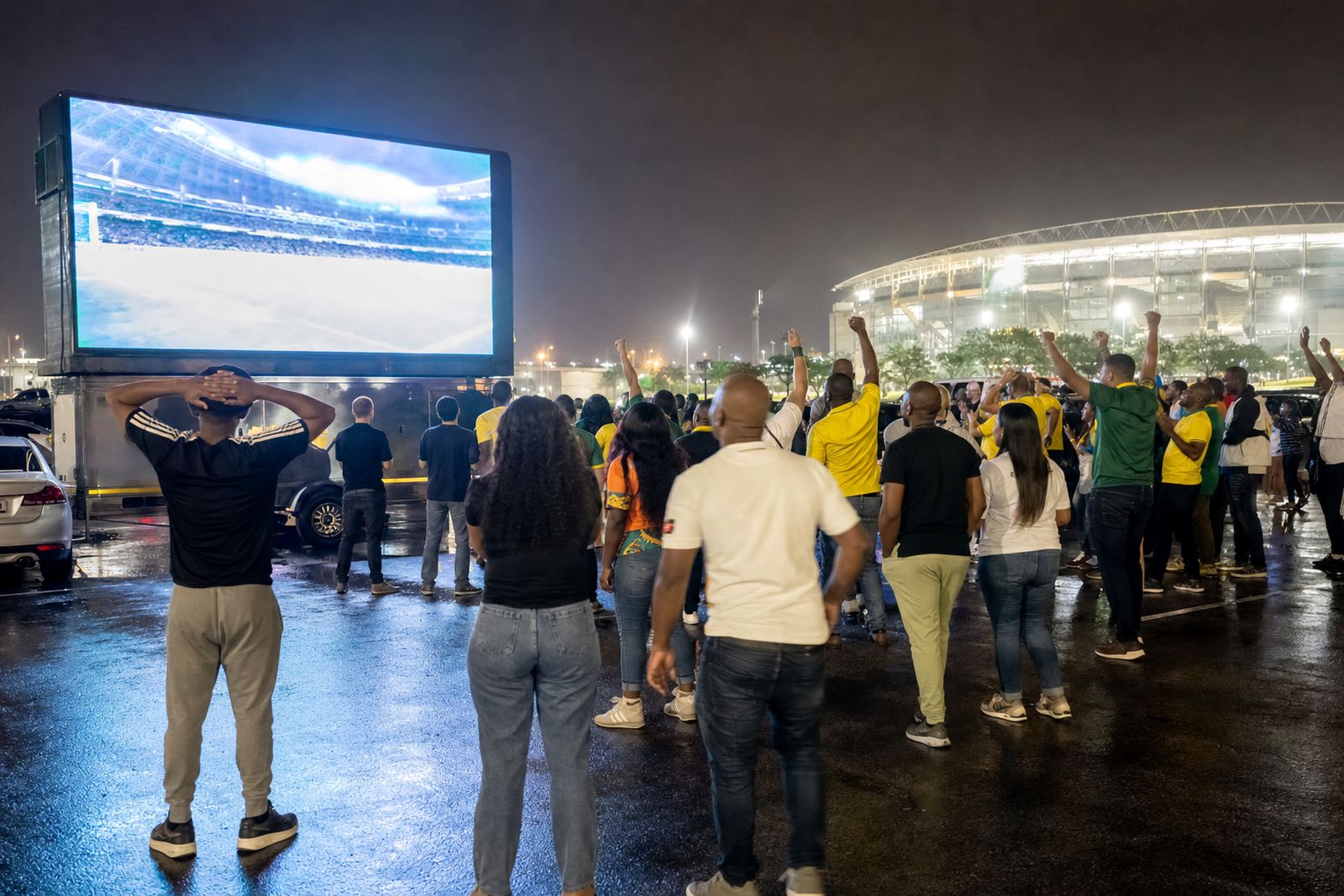
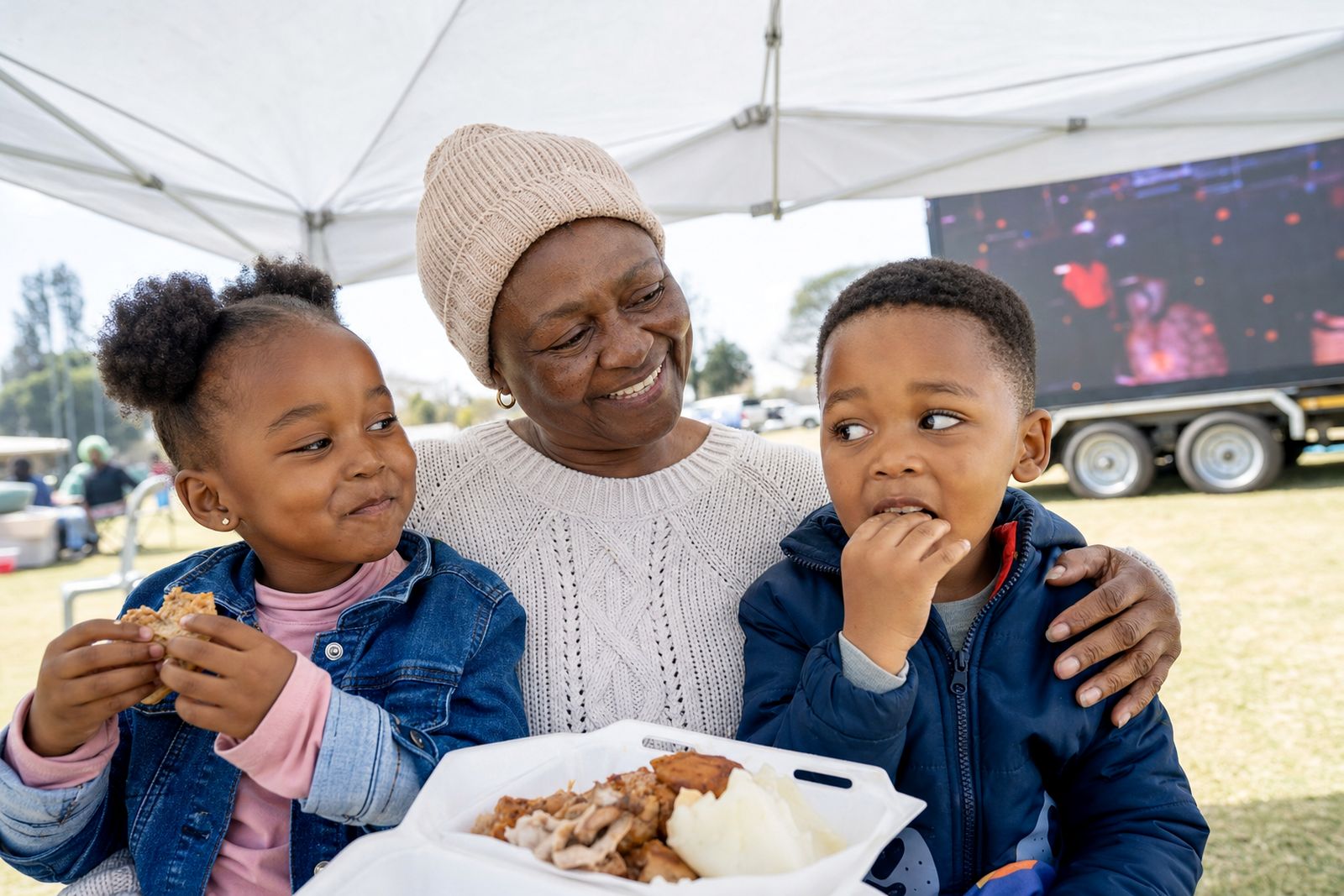
Sports days need clear content and a screen that stays visible when the crowd shifts with the action. LEDBox screens can show fixtures, results, live feed, sponsor messages and safety notices while the technician keeps playback steady through the programme. On open grounds, wind exposure and ground conditions are part of the planning, so the screen position and trailer placement are checked against the site layout.
Where the programme includes changing teams or programme blocks, content playback can be organised in order so the right clip or slide runs at the right point. That keeps the focus on the event rather than the equipment.
Concerts and live programme support
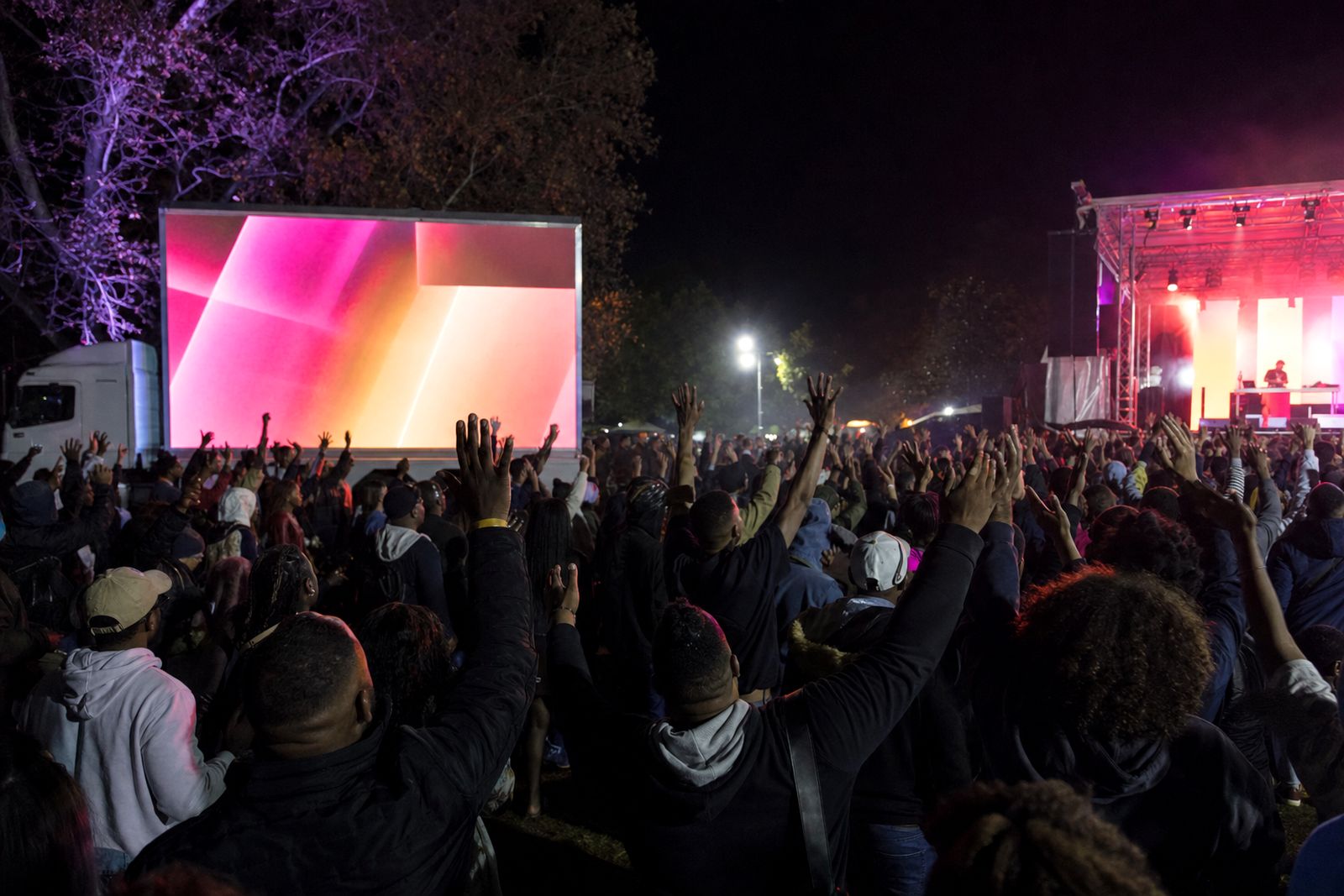
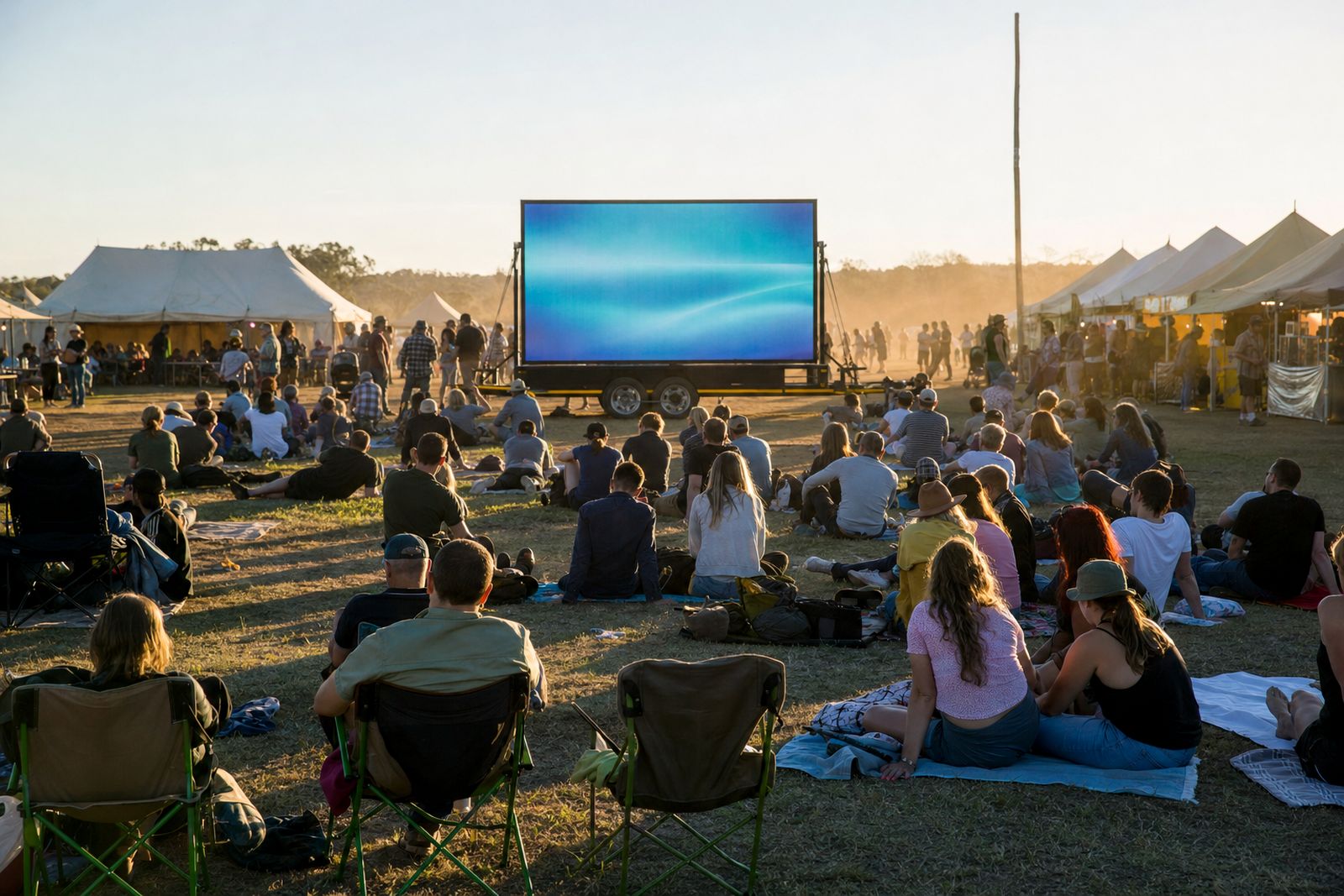
Concert sites need a screen that can carry performer close-ups, pre-show loops, stage messages and crowd notices. LED boxes and trailer screens can be used as a main visual point or as a support display beside the stage or audience area. Brightness matters here too, especially where the show starts before sunset and carries into darker conditions.
- Live feed support for cameras and mixed programme output
- Playback management for loops, ads and stage prompts
- Power planning for generator or mains supply
- Weather monitoring where the site stays exposed
Permits, access and the practical side of a site
Some public activations need municipal permission or site approval, especially where the screen sits near roads, public walkways or council-controlled space. Permit guidance is part of the planning, along with access width, ground level, safe set-down space and the route for the trailer into position. A screen that fits the programme still has to fit the site.
In Germiston, Kempton Park and other Ekurhuleni locations, the same principle applies when the space is tight or shared with regular traffic. The screen should be planned with the site owner, organiser and technician in the same picture.
Matching the screen to the programme
Most organisers come to us with one event in mind and a rough crowd number. Some briefs need a screen for a single day in one location, while others need a unit that moves through Johannesburg, Pretoria, Durban, Bloemfontein or Polokwane with the same playback plan.
For each programme, look at these points first:
- Viewing distance and screen size
- Daylight conditions at the site
- Need for live feed or preloaded content
- Generator or mains power access
- Road access, permits and wind exposure
That gives a cleaner brief and keeps the screen, the route and the content working as one job.