
A campaign tool that fits the street, not the boardroom
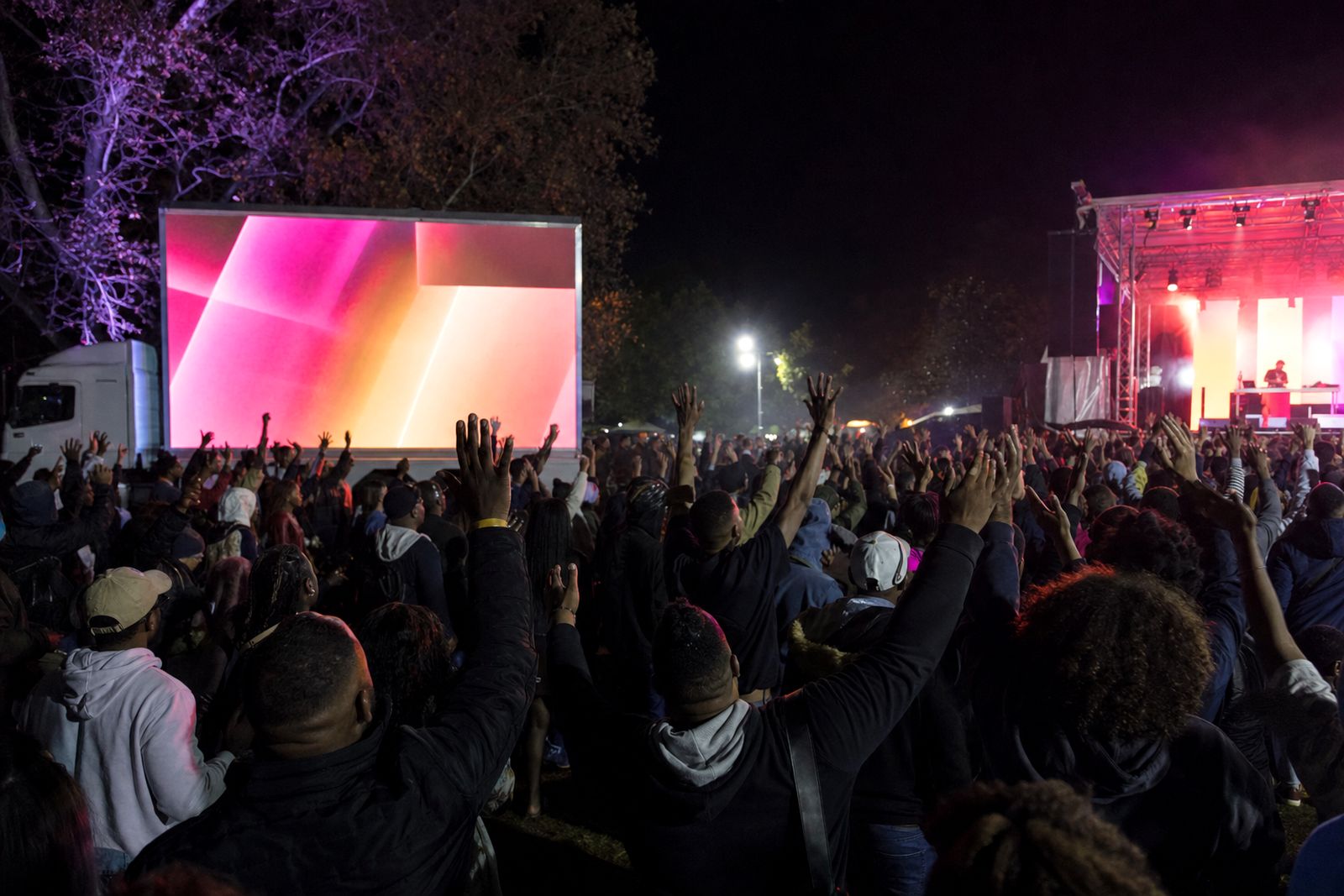
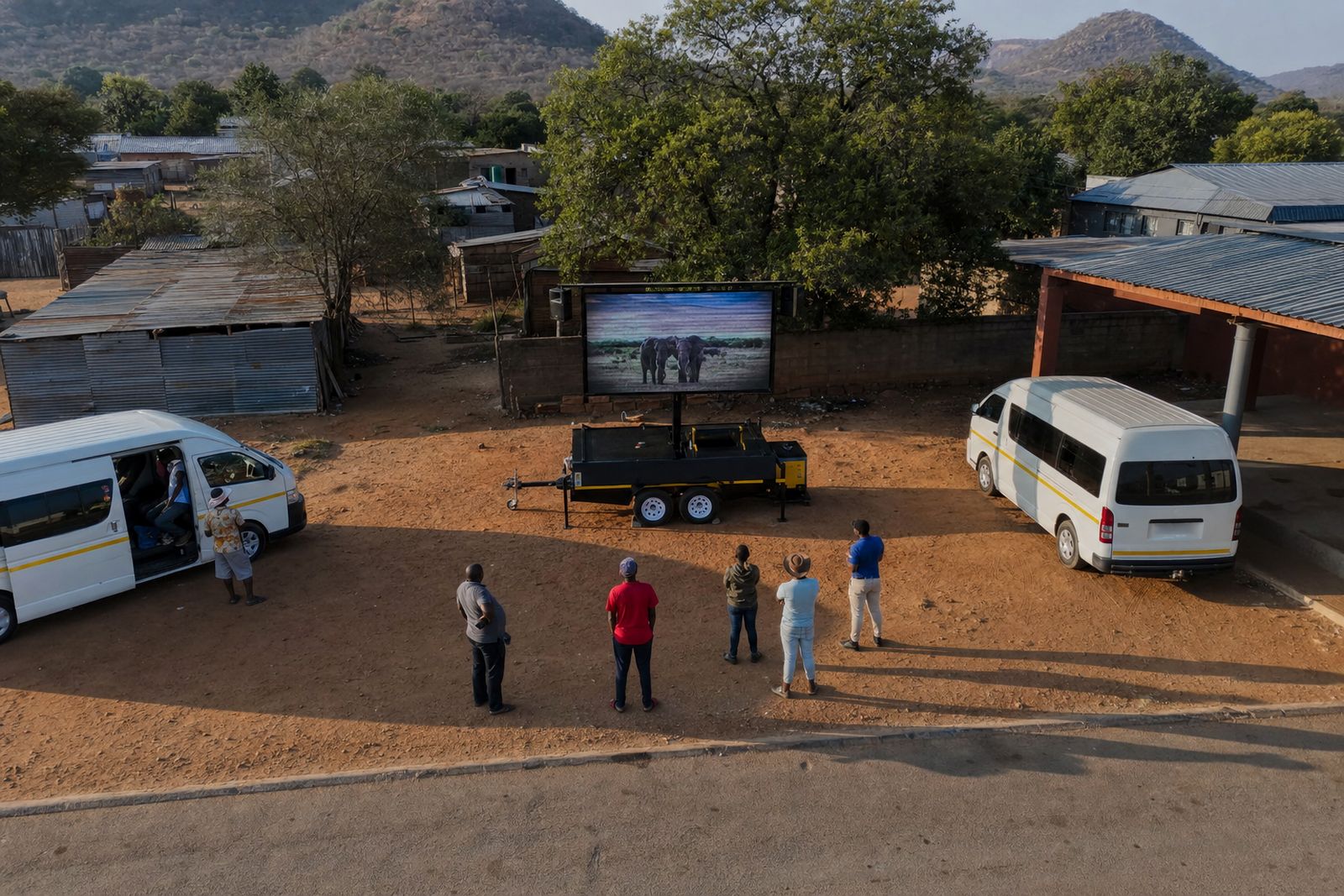
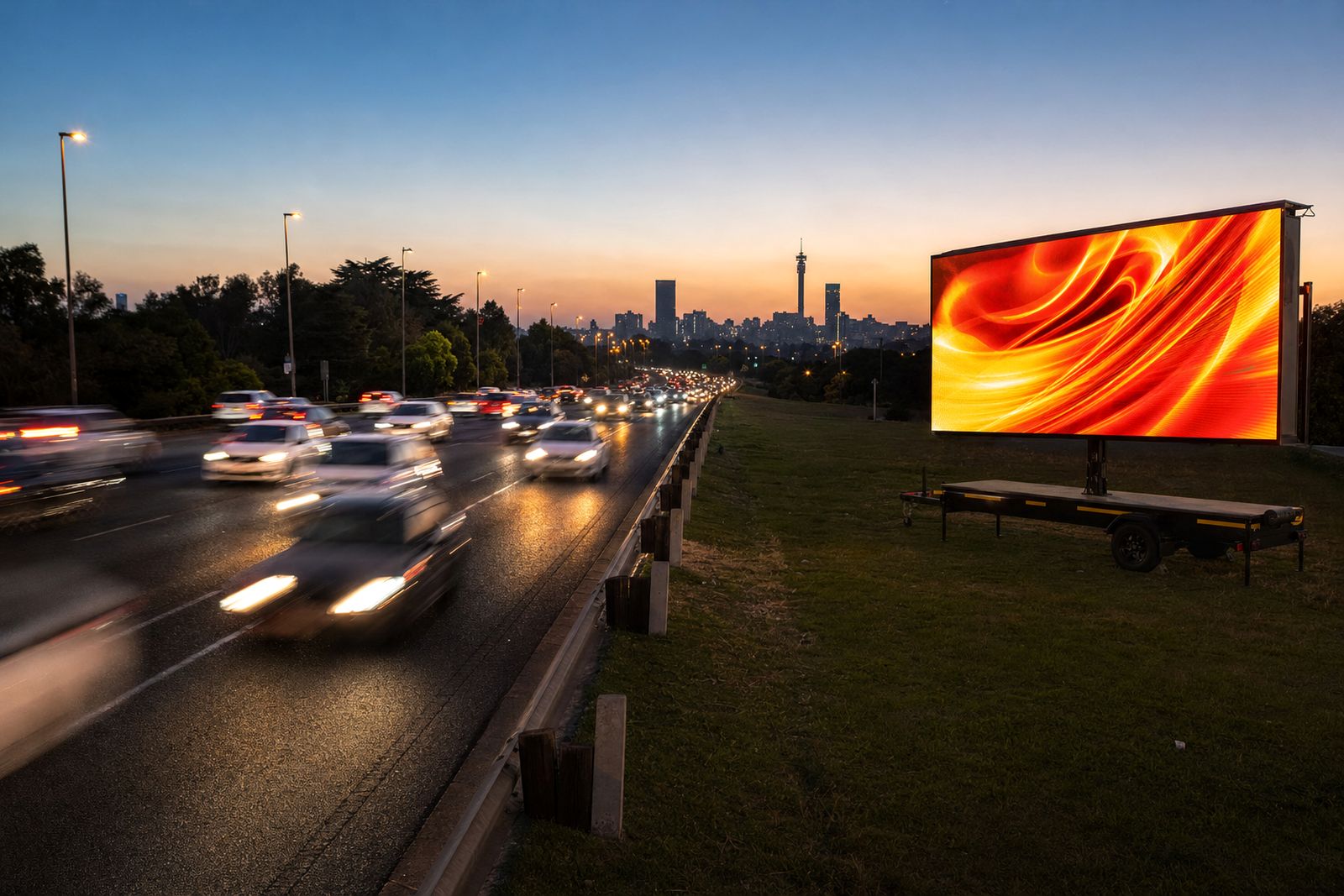
An outdoor LED screen trailer works well when a campaign has to be seen by passing drivers, shoppers, sports crowds or people gathering at a roadshow stop. The screen sits high enough to clear parked vehicles and light street clutter, while the trailer frame lets the unit move between sites without dismantling the display. For advertisers, that makes it easier to keep the same message in front of different audiences across Johannesburg, Pretoria, Durban, Bloemfontein and Polokwane.
Screen size and pixel pitch need to match viewing distance. A tighter pitch gives cleaner detail for close viewing, while a larger pitch can suit bigger public areas where people stand farther back. For daytime use, brightness matters just as much as size. A proper outdoor unit needs enough output to stay readable in full sun, with content that uses strong contrast, larger type and clean motion rather than crowded layouts.
What usually goes on the trailer
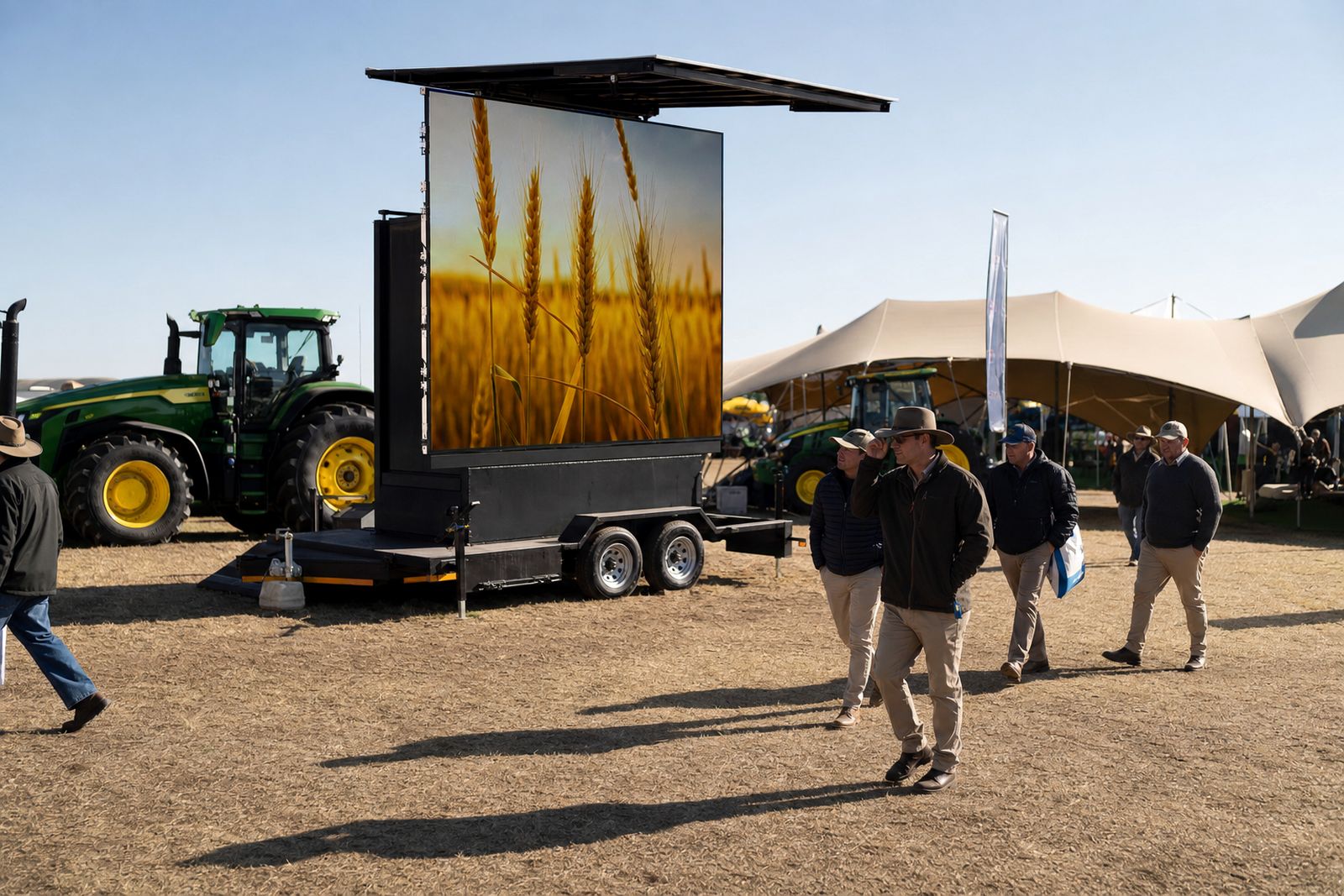
A typical campaign setup includes the LED screen trailer itself, a playback source, cabling, power planning and a technician to keep the content running through the programme. Many units use a hydraulic lift so the screen can rise into position, and some can rotate for better sight lines at a site. Depending on the venue and the brief, the trailer may run from a generator or from mains power where that is available and suitable for the location.
- Outdoor LED screen trailer with a suitable pixel pitch for the viewing distance
- High-brightness display for daylight visibility
- Playback unit for scheduled creative, video loops or live content
- Hydraulic lift and, where required, screen rotation
- Generator or mains power planning
- On-site technician for setup, content loading and playback control
Live feed support can be useful for launches, sports days and brand activations where speeches, cameras or score updates need to appear on screen without fuss. Content loading is also easier when one person controls file formats, aspect ratio and loop order on site.
Layout choices that keep the message legible
The best campaign layouts are simple and deliberate. Large headings, short lines and movement that gives the eye time to read are safer than packed artwork with tiny copy. If the screen is placed beside a road or at a traffic circle, the creative should be built for quick recognition. If it faces a crowd at a parking field or launch site, there is more room for brand detail and repeated calls to action.
Site checks matter before the unit arrives. The technician needs enough turning space for the trailer, a level position for the stabilisers, and a clear line of sight for the audience. Wind exposure also has to be considered. Outdoor screens can be operated only within sensible wind limits, and if the site is too open the setup may need a different orientation or a changed position. Municipal permit guidance is part of the planning too, especially where the trailer stands near public roads, pavements or event entrances.
Campaign planning in real South African conditions
Advertising campaigns often move between locations with different ground surfaces, parking rules and crowd patterns. A route through Germiston, Kempton Park and central Johannesburg does not behave the same way as a shopping precinct in Pretoria or a stadium edge in Durban. That is why multi-stop planning helps. The trailer can be scheduled to move from one audience cluster to the next without losing the playback order or setup routine.
Weather monitoring matters too. Heat, rain and coastal humidity can affect placement, cable handling and the comfort of the crew. Where there is a live event, the screen must be visible without blocking access routes, emergency lanes or pedestrian flow. Good planning also includes power planning, pack down access and a check on whether the venue wants notice or permit paperwork before the unit enters the site.
- Confirm the viewing angle before content is finalised
- Allow for turning space, gate widths and trailer access
- Check whether the site needs permit notice or venue approval
- Keep the playback file list tidy and labelled
- Plan pack down so the exit path stays clear
Where campaigns go wrong
Brands often send a static poster file and expect it to work on a moving screen. Outdoor LED needs pacing, contrast and clear spacing between key words. Too much text, weak colour contrast and tiny logo placement can make the message hard to read at speed. Another problem is leaving content loading to the last minute, which can create file mismatch, the wrong aspect ratio or a loop that cuts off an important line.
Some briefs also forget the site itself. A trailer parked with poor sight lines, unsafe cable runs or no room for the technician to work can turn a neat campaign into a messy one. Wind limits and ground conditions should never be guessed. If a location is exposed or uneven, the trailer may need a different position or a different layout altogether.
Live feed support is useful only when the camera or source feed has been tested in advance. Without that check, the screen can carry a blank gap or a frozen frame at the wrong time. Good campaign work keeps the message, the playback and the site logistics in one plan.
Budget bands that are realistic for the brief
Budget depends on screen size, number of days, travel distance, content support and whether the job needs one site or a multi-stop route. A smaller campaign unit for a short activation may begin in the tens of thousands of Rand, while bigger screens, longer hire periods and wider travel can climb into the higher bands. Custom fabrication, complex routing and live support will add to the total.
For planning purposes, many advertisers think in these ranges:
- Short local activation or one-site hire: from about R15,000 to R35,000
- Medium campaign with delivery, setup and technician cover: about R35,000 to R80,000
- Multi-day or multi-stop campaign with content management: from about R80,000 upward
That range shifts with screen size, pitch, power choice and route length. The useful question is not only what the screen costs, but what it takes to keep the campaign visible, legal and on schedule.
How LEDBox handles campaign delivery
Our Germiston team works with advertising campaigns that need outdoor impact, practical site work and a clean handover to the people running the brand day to day. Sibusiso Shezi leads the operation, with Anika Chetty on coordination, Thabo Bhengu on screen technology, Noluthando Maluleke on logistics, Ruan Mabena on fabrication and Karabo Abrahams on playback management. That mix keeps the trailer, the content and the site plan in step.
We deliver, set up and run the screen with an on-site technician, whether the brief is a roadshow in Gauteng, a sports day in Polokwane or a launch in Durban. If the campaign needs permit guidance, power planning or a live feed on screen, those parts are folded into the job from the start rather than patched in later. Agencies usually send us the flighting dates and the sites first, and the content plan follows.