
Start With the Viewing Line, Not the Parking Bay
The strongest placement starts with the crowd, not with the trailer. A screen that sits too low disappears behind heads and raised phones, while one that sits too high can strain the neck of the front rows and pull attention away from the stage. For concerts, the aim is to keep the image visible from the widest part of the audience area without blocking the performance line for people close to the front.
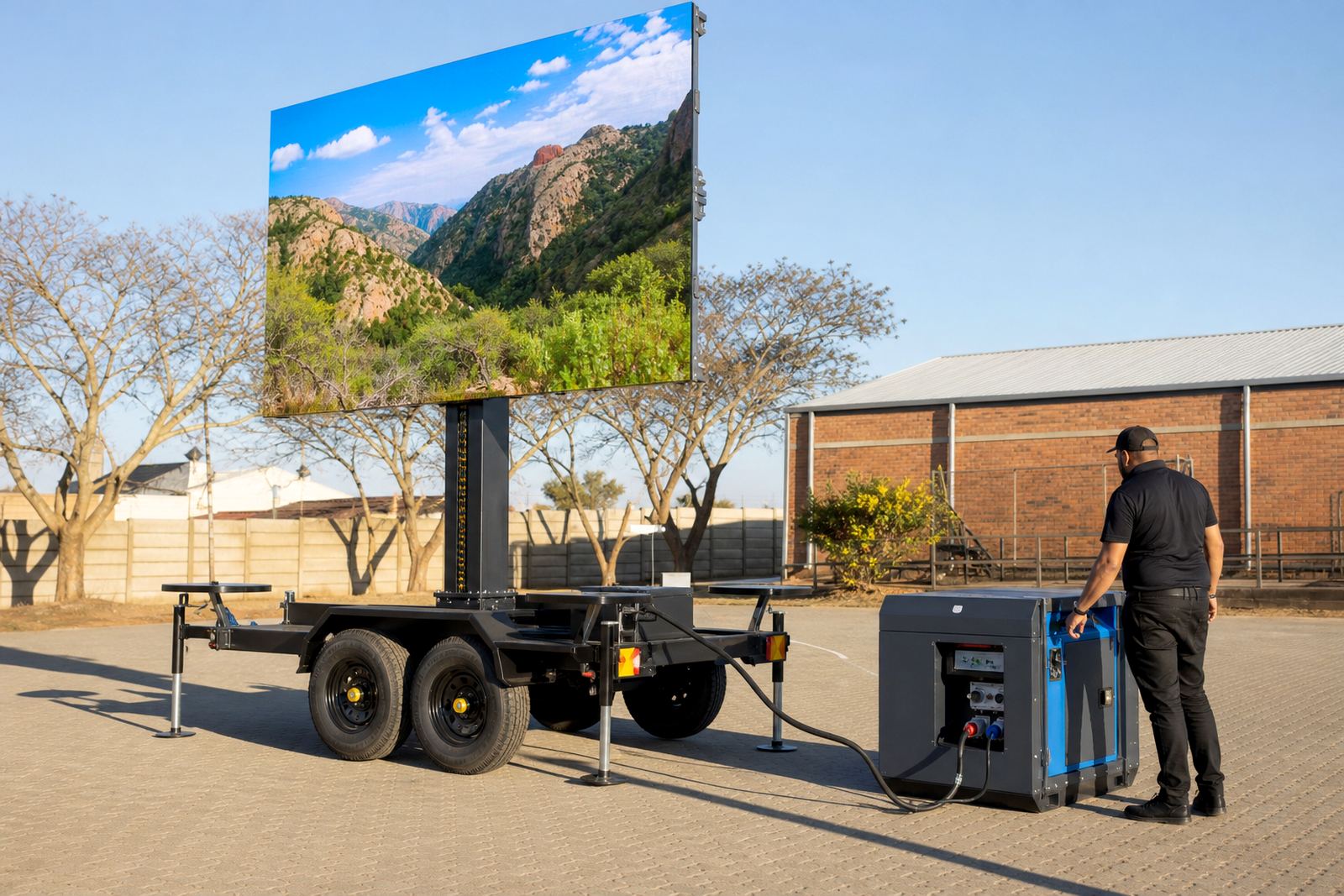
Outdoor LED screen trailers are usually chosen for this kind of work because the screen can be lifted into view and set at a workable angle. Pixel pitch matters here, especially when the audience stands closer than at a sports ground. A finer pitch gives cleaner detail for captions, sponsor messages and live camera feeds, while bright daylight output helps the image hold its shape before sunset. The placement must also leave room for sound. A screen parked in the wrong place can push viewers into awkward sound pockets or place the display directly in the throw of the PA.
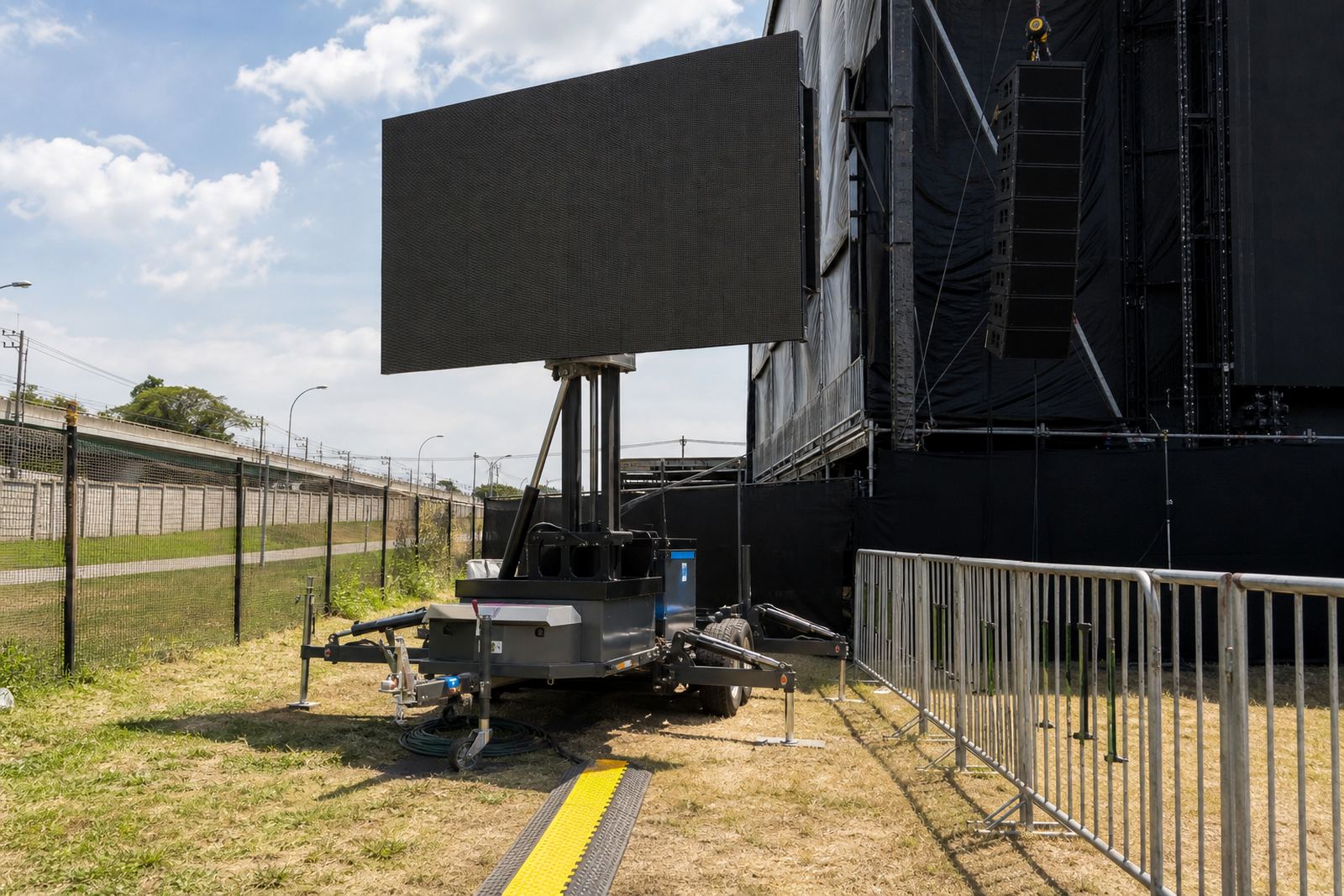
On a concert site in Germiston, for example, a screen beside the stage wing may work for side viewing, but only if it does not cut across the main audience path or sit inside the speaker coverage. That is where site checks matter, because the ground may look open and still fail once barriers, stage wings and access lanes are mapped.
Give the Trailer a Job That Fits the Site
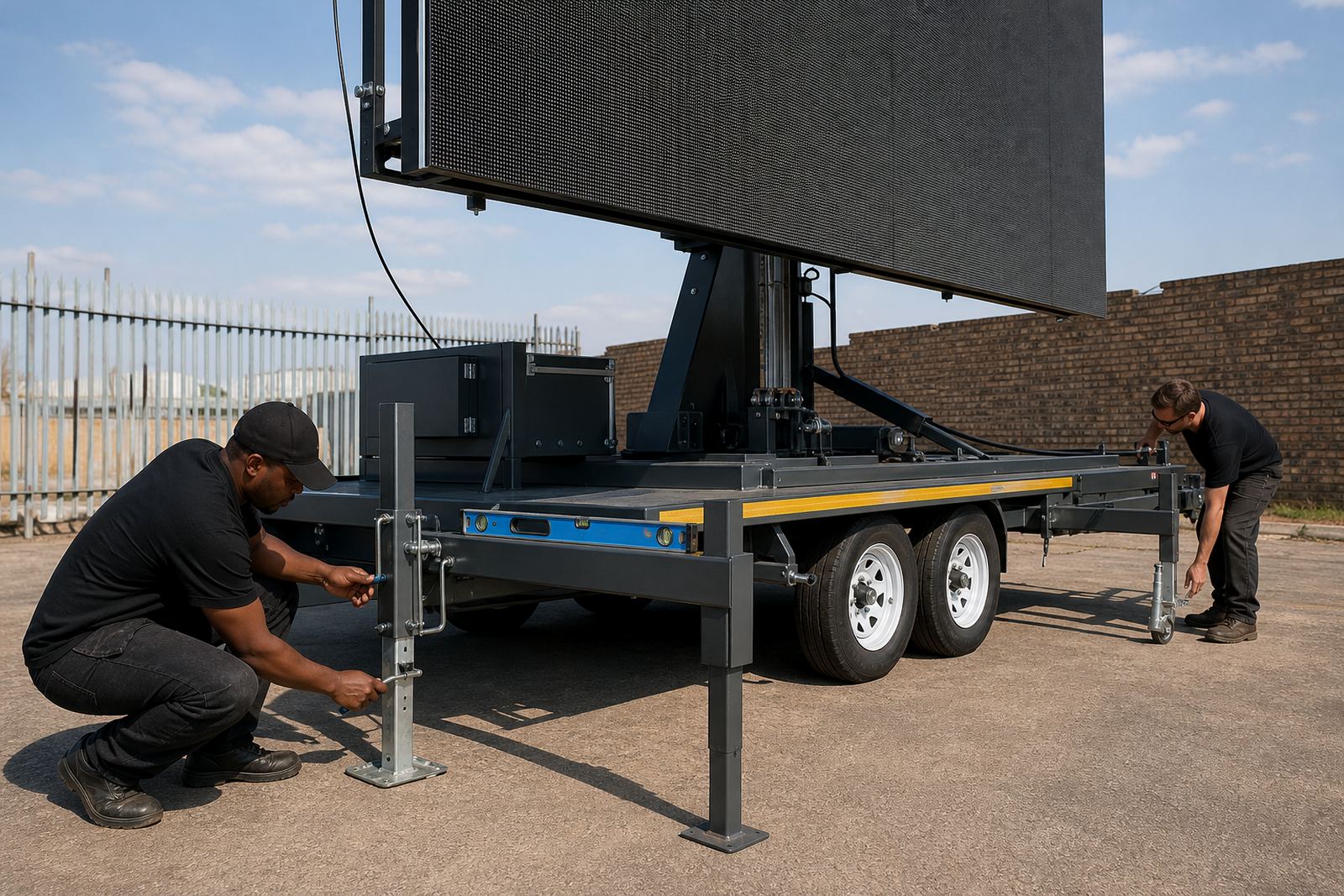
Every concert site has different ground, access and crowd pressure. A trailer placed on firm, level ground gives the technician more control over screen height, rotation and final alignment. If the event sits on a sloping field or a hardstand with tight edges, the trailer still needs a safe footprint and enough turning space for loading, setup and pack down. Corners that look usable from a distance can become awkward once barriers, generator clearance and service vehicles are added.
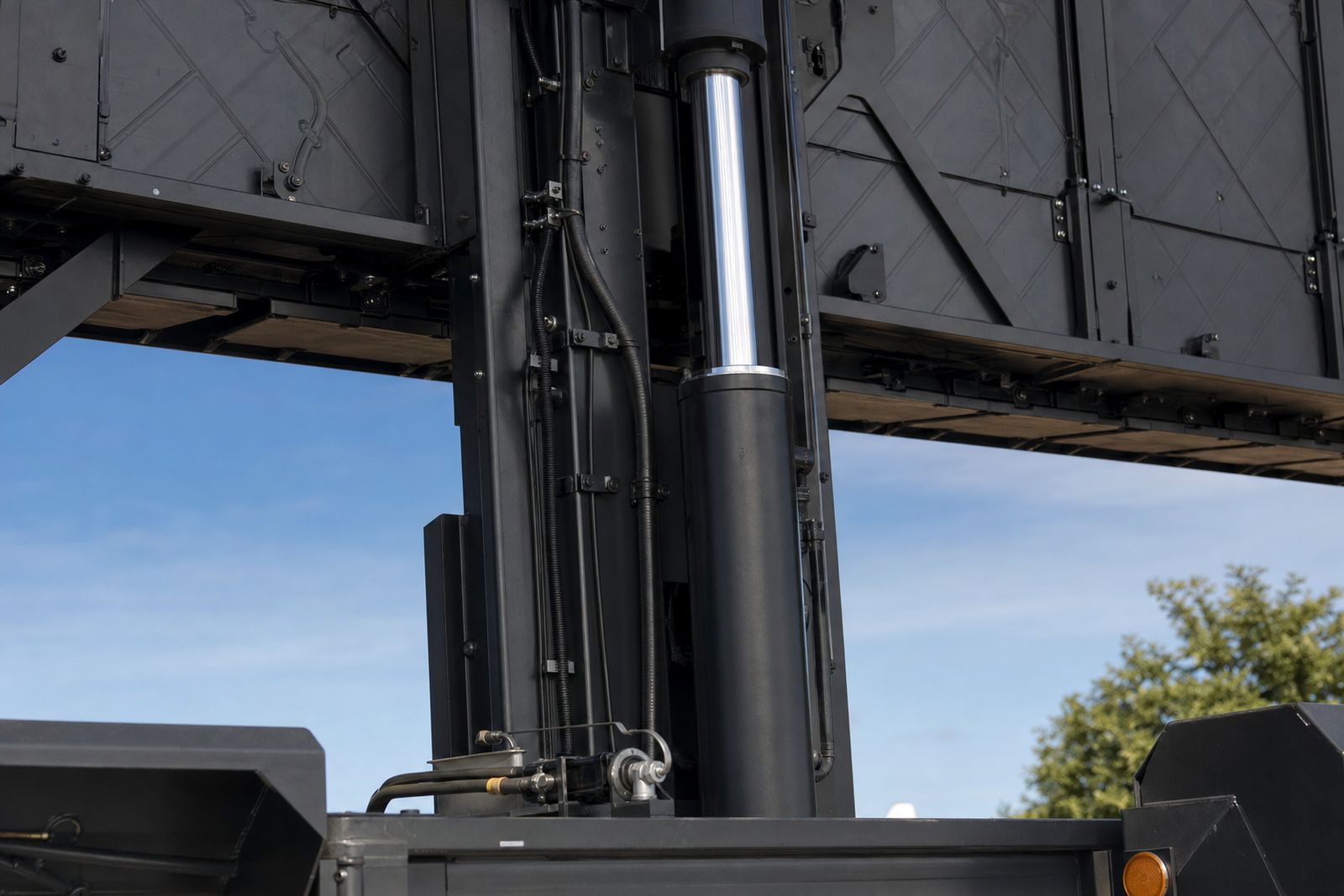
Hydraulic lift systems allow the screen to rise to a better viewing height, and rotation helps the image face the audience rather than forcing people to look across the side of the screen. That is useful when the crowd shape is narrow, or when the stage sits off-centre on the site. For some shows the screen is best used as a relay display for live camera shots and announcements, while for others it carries sponsor material, schedules or safety slides between performances. The placement should support that content flow without making the unit feel detached from the stage action.
In Ekurhuleni, many concert fields and open municipal spaces need practical spacing around the trailer. The screen must not sit so close to the crowd barrier that it creates a pinch point, and it must not block emergency access or the route used by crew, security and medical teams.
Power, Playback and the Parts the Crowd Never Sees
Good screen placement also depends on what sits behind the screen. A trailer can run on generator power or mains power where the site layout allows it. The practical choice depends on the venue, the distance to a supply point and the load required by the display and control gear. Power planning should be part of the placement conversation because a neat viewing angle means very little if the cable route crosses a service lane or sits where trucks need to turn.
Content playback should be planned before the screen is parked. Live feeds, countdowns, stage graphics and sponsor loops all need a stable signal path and a place for the control position that does not interfere with the audience or the performers. If the screen is carrying live camera footage, the technician needs a direct line to the stage and enough room to manage source changes without being boxed in by barriers or traffic.
Wind is another factor that should never be guessed at from the ground alone. Outdoor screen trailers are built with weather in mind, but placement still has to respect local conditions and the event's operating limits. If the site is open and exposed, the screen position may need to be adjusted to reduce wind loading or to keep it out of the worst channel between buildings. That judgement is part technical, part practical, and it is easier to make before the audience arrives.
Permits, Neighbours and the Edge of the Venue
Concert screen placement is not only about what the crowd can see. Municipal rules can affect where equipment may sit, how close it can be to roads or walkways, and what sort of permissions are needed for temporary outdoor structures and public displays. The details vary from one area to another, so permit guidance should begin early, especially when the site is close to a public road, a residential boundary or another active venue.
At street-facing events, the screen may need to be angled so it serves the audience without spilling light into neighbouring properties or distracting traffic. Where the show sits near a road or taxi route, the screen should not pull attention in a way that creates a traffic risk. That is one reason placement is often a balance between sightlines, safety and the practical needs of the event crew.
Neighbouring sound and light conditions matter too. A screen placed too close to a speaker stack may compete with the stage visually, while one set too far back can feel detached and force the audience to turn away from the performance. A good placement solves those problems before they grow into site delays or last minute reshuffles.
From a Germiston rehearsal to a Gauteng concert route
A practical concert setup in Germiston often starts with a site walk that looks at the stage, the barrier line, the audience bowl and the service entrance in one sweep. From there, the screen is positioned so it supports the crowd rather than competing with the performance. If the show has a wide standing audience, the screen may sit slightly off-centre to catch a better angle. If the site is narrow, the screen may need to be lifted higher and rotated more sharply to keep the image square to the crowd.
For a roadshow-style concert stop, the same approach can travel well across Johannesburg, Pretoria, Durban, Bloemfontein and Polokwane. The detail changes with each venue, but the job stays the same: protect sightlines, leave the sound field open, keep service access clear and let the technician work without crowd pressure. Delivery, setup, content loading and playback all hang on where the screen stands, so the technician plans each of them around that spot.
When the screen is placed well, the audience reads it naturally. The stage stays in charge, the message stays visible and the site can move through the evening without avoidable obstacles. That is the kind of placement that holds up when the crowd grows and the light drops.
On-Site Control Makes the Placement Work After Dark
Even the best screen position needs live oversight once the event starts. An on-site technician can check image framing, brightness, content changes and playback stability as the crowd settles. If the screen is carrying a live feed, small changes in camera angle or stage lighting can affect how the image reads from the back of the crowd, so placement has to work together with operating checks throughout the night.
That final layer matters at concerts because the show does not stay still. A band may shift stage position, lighting may change from warm to bright, and the audience may swell toward one side of the venue. With the screen placed correctly, those changes can be handled without pulling attention away from the performance. The unit remains where it should be, and the technician keeps the picture aligned with the event as it moves.
For organisers, the safest answer is usually the most practical one: place the screen where it gives the widest clean view, keep the service path open and let the technical team manage the moving parts. That approach keeps the screen useful from sound check through to pack down.