
Travel time comes out of setup time
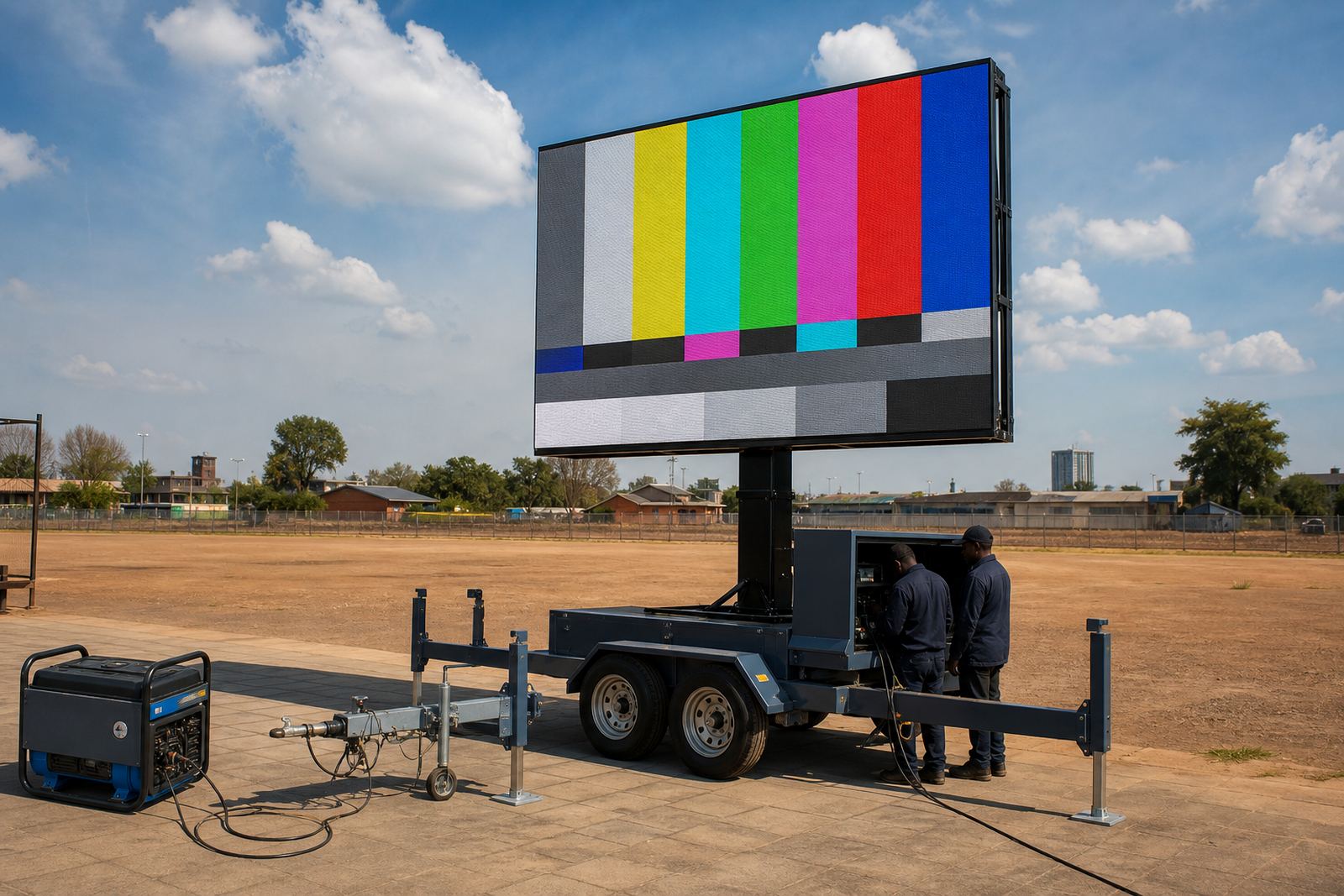
Outdoor LED trailers are usually pitched for daylight viewing, often around 3.9 mm to 6 mm depending on viewing distance and audience size. Brightness must cope with direct sun, especially on open roadsides, sports fields and civic squares. A screen that looks sharp in the workshop can still struggle if the route plan leaves it facing the worst afternoon glare.
For roadshows, content playback also needs to be timed around the route. The playback team may load loops, sponsor messages, live feed inputs or opening slides before the trailer leaves base, then keep a backup file ready if the day changes. A missed cue is not just a screen issue, it is a timing issue.
- Route timing should match the type of content on screen.
- Live feeds need tighter handling than a simple advert loop.
- Set the daylight brightness for each stop before the trailer leaves base.
- Content loading should happen before traffic starts eating the schedule.
Crew hours grow when the route gets longer
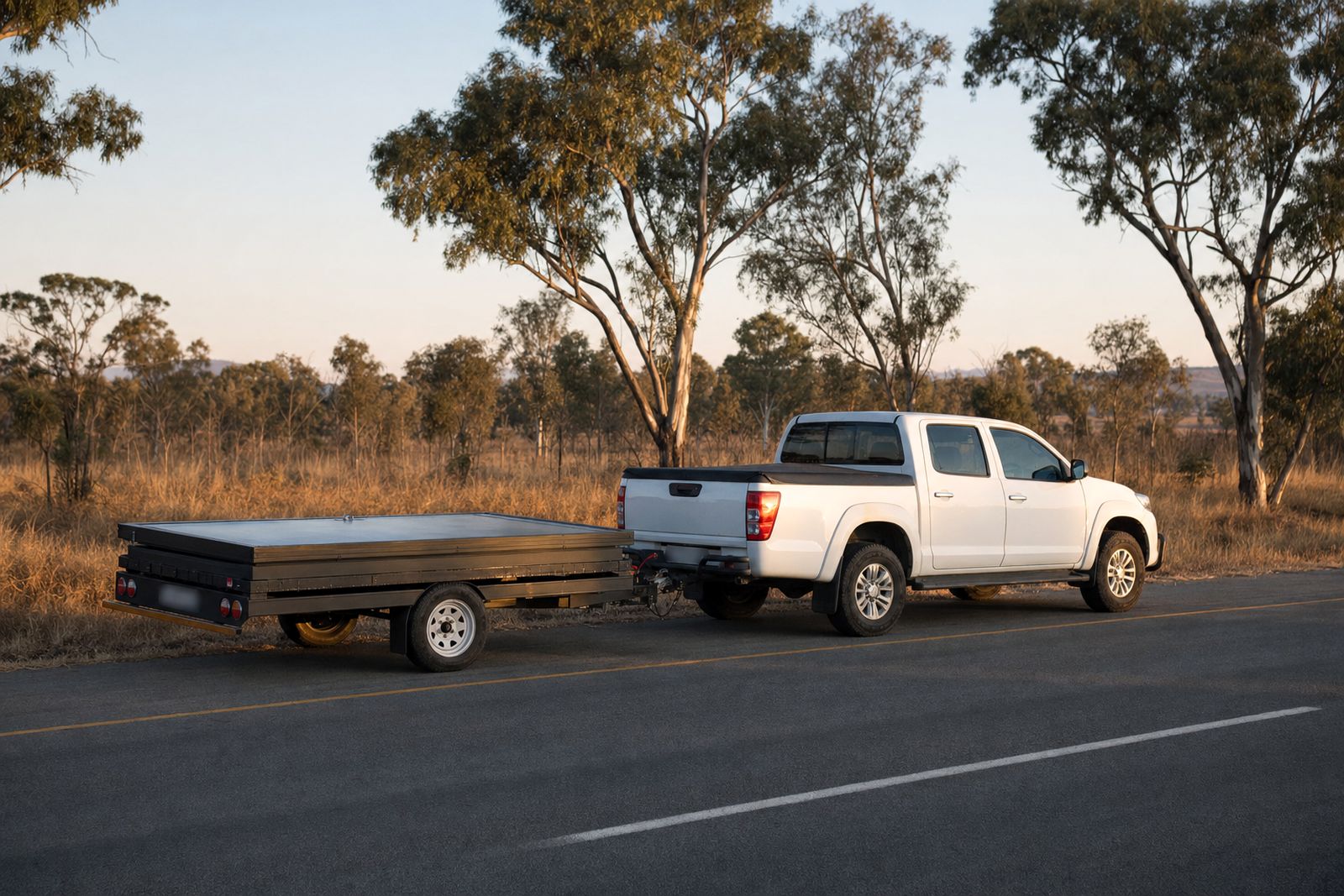
Traffic planning in Gauteng is different from planning a roadshow in Durban or Polokwane. Morning congestion, school traffic, taxi routes and municipal events can all alter arrival times. A sensible route leaves room for that without overloading the day. When the screen trailer needs to be in position before a crowd arrives, the margin has to sit in the plan, not in the hope.
Power planning also follows the route. Some stops use mains power, while others work better on a generator mounted with the trailer. The choice depends on the site and on what the venue allows. In municipal spaces or on busy pavements, permit guidance matters too, because placement, noise and access can all fall under local rules.
- Town centre traffic can affect the arrival point more than the distance.
- Generator or mains power has to suit the site, not the wish list.
- Permit guidance is part of route planning in public spaces.
- Weather monitoring helps when a stop sits in open wind or rain.
Wind, permits and viewing lines on the day
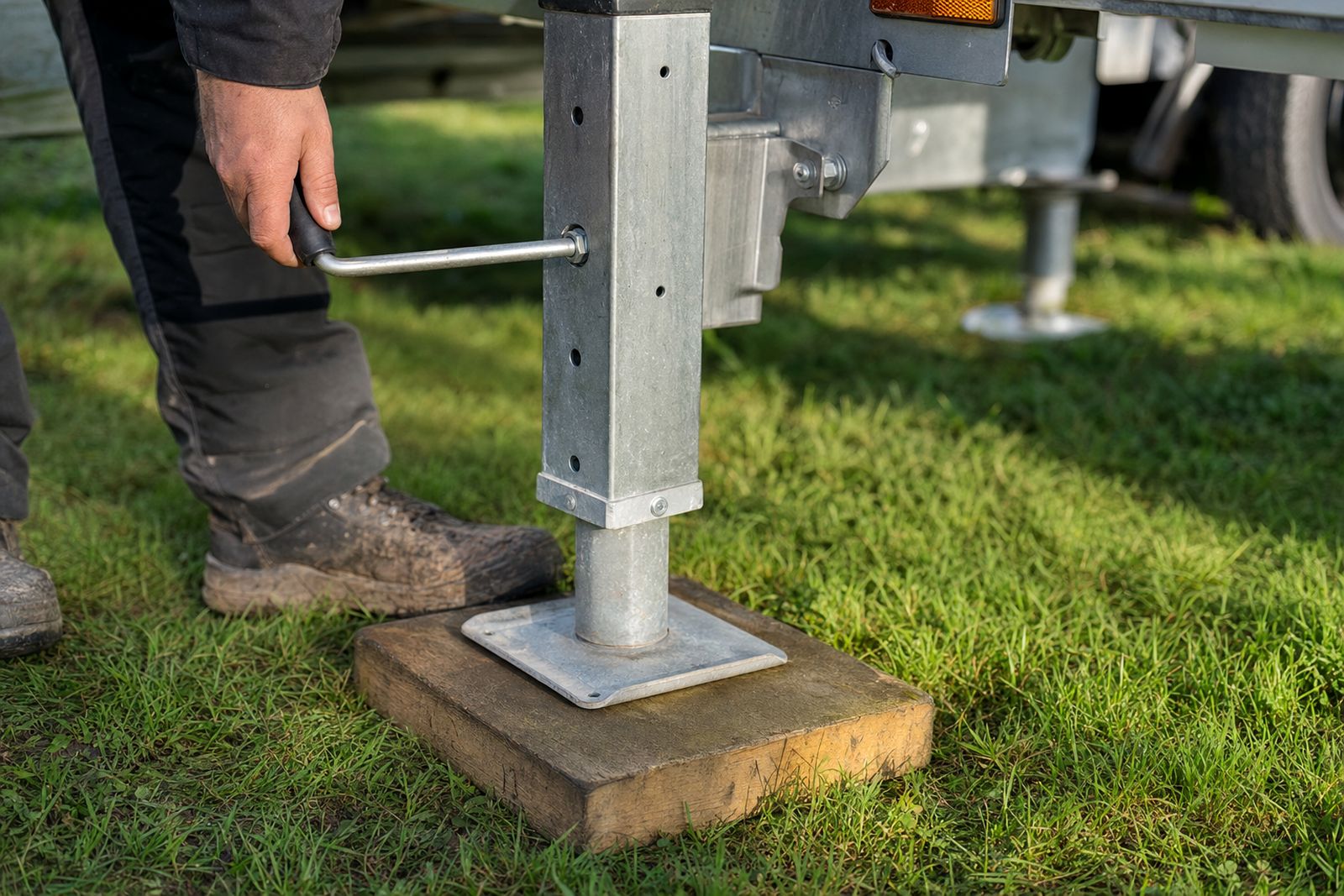
Outdoor LED screen trailers are built for outdoor work, but the wind still counts. A screen must be set with the weather in mind and the site must allow enough clearance for safe deployment. Strong gusts, uneven ground and tight spectator zones can all change the setup sequence. That is why a route with several stops needs a fresh weather check at each one.
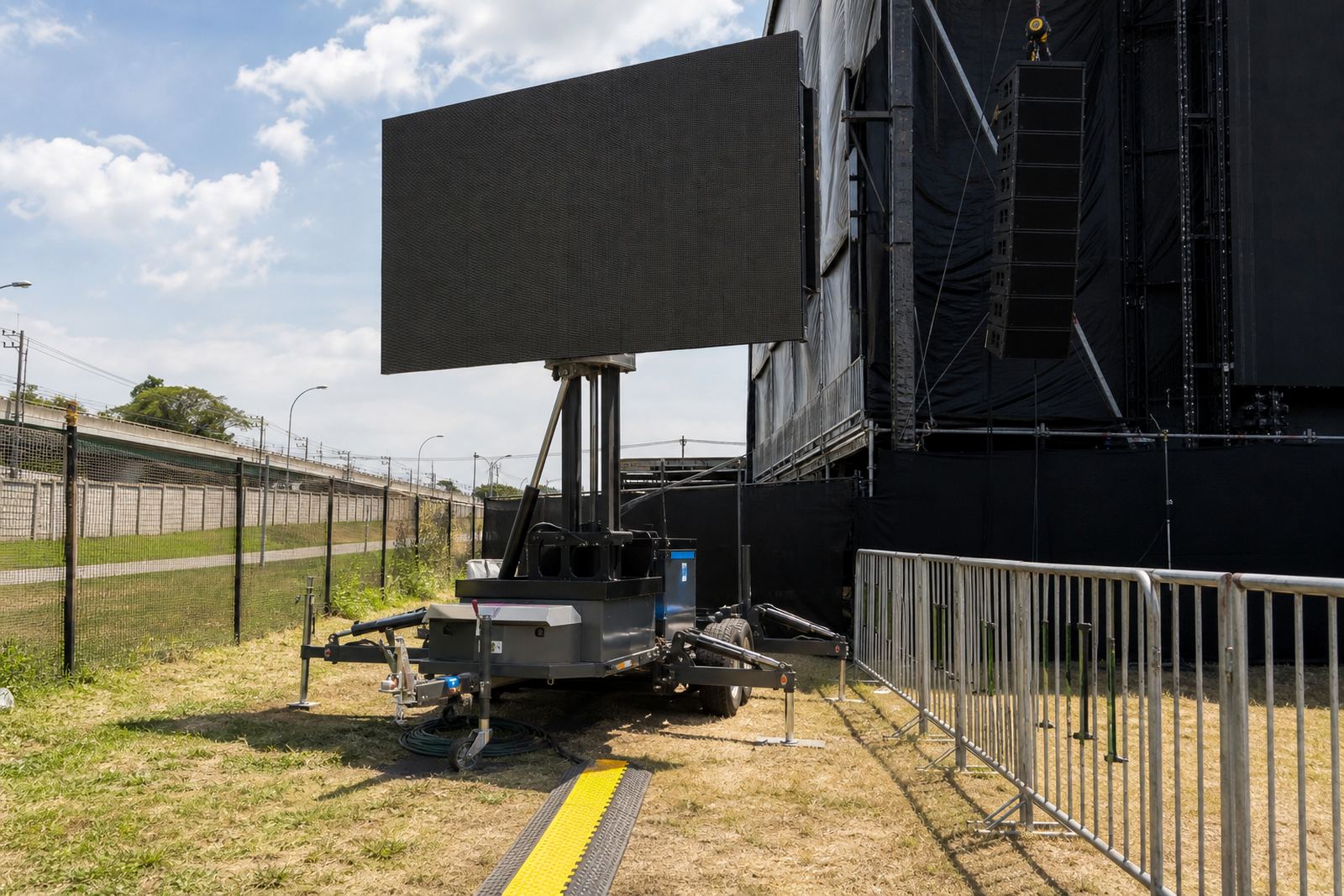
Municipal permit guidance is also part of roadshow timing. A display on a roadside, public square or event precinct may need notice, access approval or placement control. The technician on site must have the space to work while the rest of the crew keeps the audience flow safe. Good route timing leaves room for those conditions instead of forcing the screen into a corner.
- Open sites need wind checks before the trailer is raised.
- Permit conditions can change where the trailer parks.
- Viewing lines should be checked against traffic, fencing and stage positions.
- A route with public stops needs a little extra breathing room.
A Germiston to Pretoria roadshow with one clean handover
Take a simple example. A roadshow trailer leaves Germiston for a morning stop in Kempton Park, then continues to Pretoria for an afternoon activation. If the first stop runs late, the second site may lose its content test window and the on-site technician must scramble. If the route has been timed properly, the playback file, power plan, lift sequence and pack down all sit inside realistic margins.
That is the kind of planning LEDBox handles across Johannesburg, Durban, Bloemfontein and Polokwane as well. The work is not only delivery. It is site checks, setup, live feed support, content loading, weather monitoring and pack down with the route stitched through all of it. When the day is mapped properly, the screen trailer does what it should and the crew keeps moving in order.
- One late stop can affect the rest of the route.
- Multi-stop planning works best when each venue has its own time slot.
- Playback checks should happen before the first crowd builds.
- Germiston base planning helps keep the day realistic across several cities.